
As you’re probably aware, cars are getting smarter.
Even affordable cars have increasingly clever hybrid powertrains, adaptive cruise control and the ability to recognise traffic signs. In the next few years, give or take, they’ll also be able to talk to each other and drive themselves. Amid all the noise around experimentation with autonomous vehicles, smart cities and machine-to-machine communication, there’s an area that receives less attention. And it’s arguably the most important of all – because it’s where you and your passengers sit.
In-car upgrades
The cabin is going through a ‘smart’ revolution of its own. From the way we access our smartphones’ functionality and interact with instruments (see BMW’s AR dash) to the seating we luxuriate in, all aspects of the in-car experience are being scrutinised and improved.
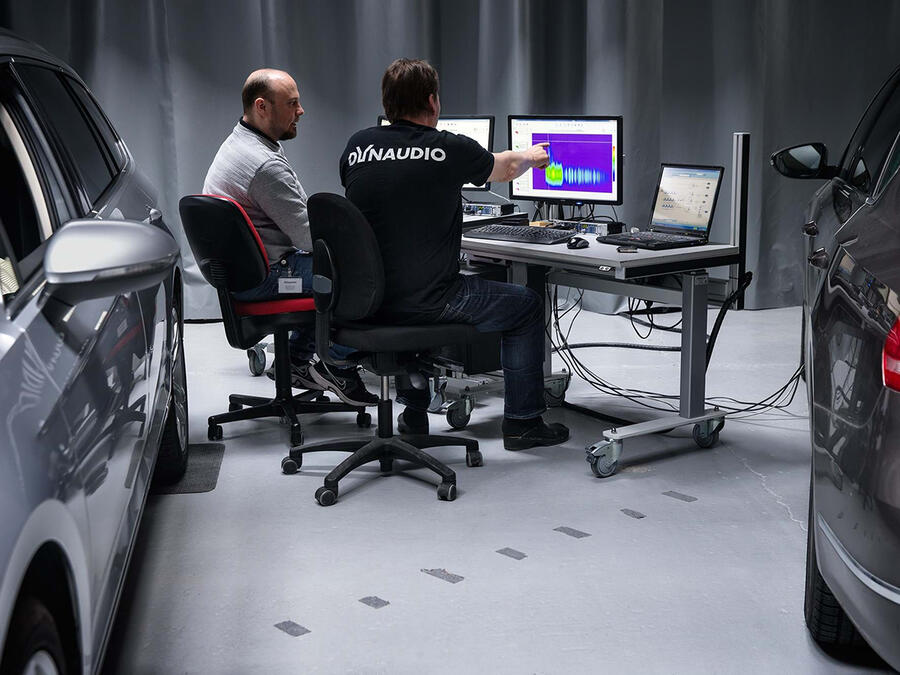
Audio is no different. Since the late ’90s, the computers that have given cars the ability to improve our drives have also been applied to improve our audio, through a process known as DSP – digital signal processing. DSP is the modification and optimisation of a signal: applying computing horsepower that changes a stream of data to improve efficiency or performance. In-car computer processing can be used almost anywhere data is gathered, interpreted and acted upon: active suspension, torque vectoring, voice recognition and a huge amount more besides. With car audio, DSP is applied to optimise the sound we hear.
The DSP difference
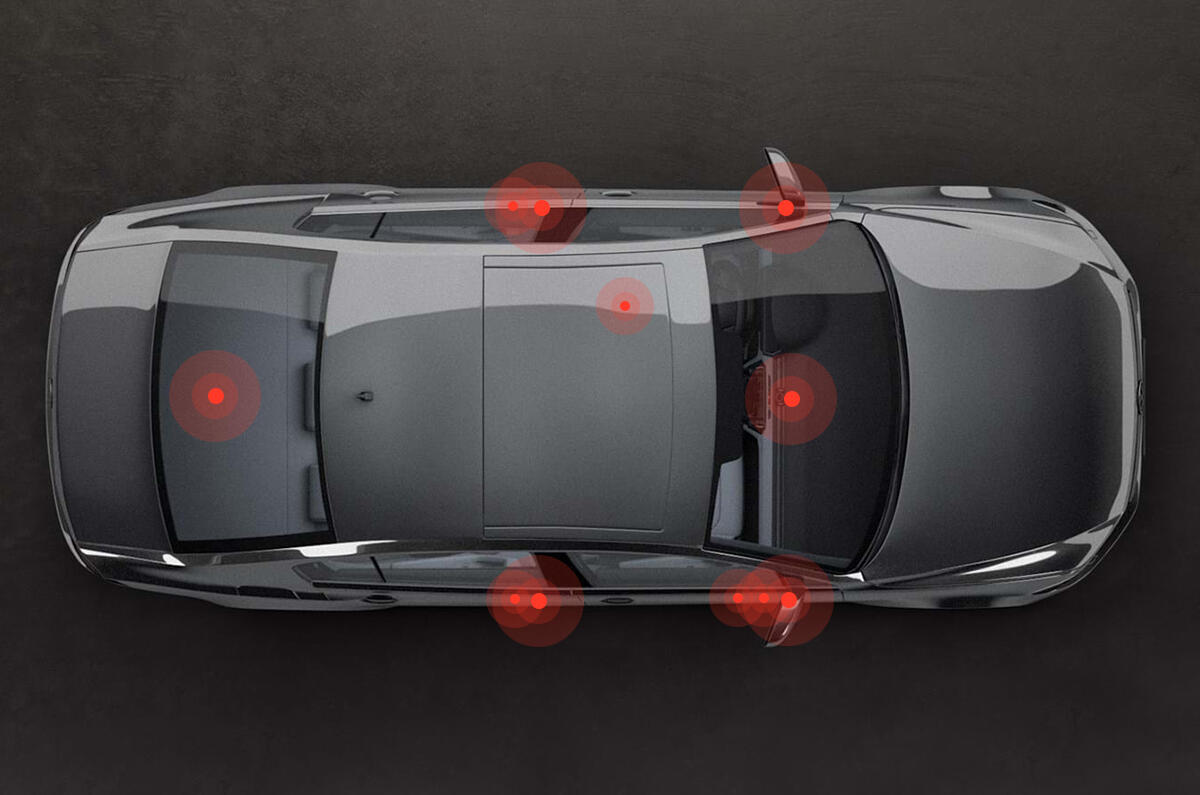
Gone are the days when mounting a pair of giant subwoofers in the boot constituted a cutting-edge in-car audio experience. The modern car’s cabin has speakers integrated throughout: in the doors, in the pillars, even under the seats. But that presents a challenge.