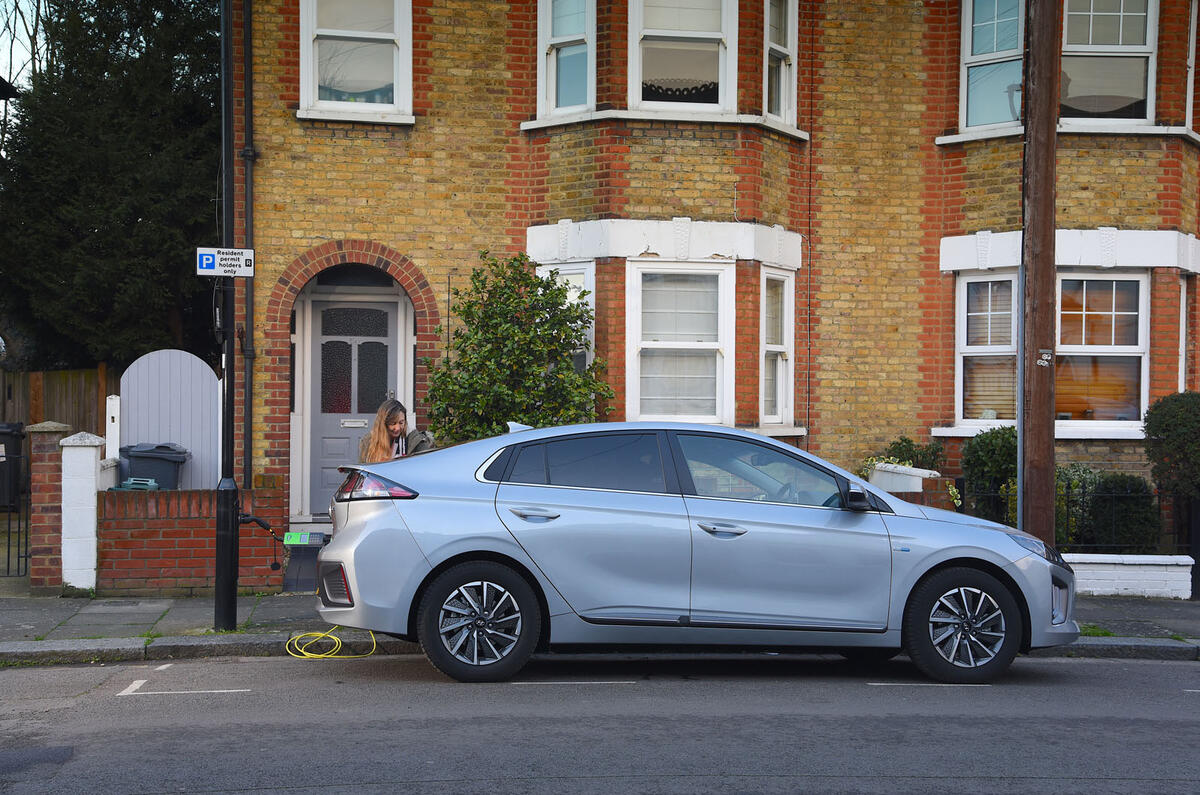



Access to charging is one of the most common concerns drivers have about electric vehicles, but it’s often more convenient than they imagine. A home chargepoint effectively turns your driveway or garage into your own personal fuel station, and these are the locations where most charging takes place. It’s an important detail to get right, with some remaining support in place for company car drivers.
How do company car drivers install a home charging point?
Home chargepoints are already required by law for new-build houses in England, and similar regulations are on the cards in Scotland, Wales and Northern Ireland. With growing numbers of plug-in hybrid and electric vehicles on the road, existing regulations have made it progressively easier to retrofit existing properties and it's become a routine job for electricians.
Lease companies usually enable chargepoints to be added like an optional extra when the vehicle is ordered, either funded by the employer as part of the contract or paid for separately by the driver. Unusually, home charging equipment isn’t classed as a Benefit-in-Kind, so there’s no tax liability if employers choose to cover those costs for company car drivers.
To make life easier, home chargepoints don’t require planning permission, provided they’re serving an off-street parking space or garage and the building isn’t listed, and electricians should be able to price up any required upgrades or extra wiring early on in that process.
Unfortunately, financial support has waned. Drivers who have an electric or plug-in hybrid vehicle assigned to them for at least six months can claim up to 75% of the cost of installing home chargepoints, to a maximum of £350 per unit – and that includes company cars, salary sacrifice schemes and rentals. However, funding is now focused on flats and rental properties, which means homeowners in houses and bungalows are no longer eligible.
Drivers without off-street parking have fewer options. Home chargepoints can’t be installed within two metres of a public highway, so vehicles would have to be charged from a domestic three-pin or industrial CEEform socket, and the rules about trailing cables across pavements differ between councils. Government funding is available to authorities to install on-street residential charging, but it isn’t widespread yet.
What expenses can I claim for charging at home?
Reimbursement for electric vehicles is a little more complicated than it is for their fuel burning counterparts. HMRC doesn’t consider electricity to be a fuel, and the cost of business journeys can be hard to separate from the rest of the household’s utility bill. Drivers and employers have to prove how that energy has been used, otherwise the expenses claim can be classed as additional, taxable, income.