

European Union proposals for new Euro 7 emissions legislation could kill off internal combustion engine (ICE) cars by 2026 – four years before sales of new ones will be banned in the UK – according to the European Automobile Manufacturers Association (ACEA).
The first concrete proposals for the Euro 7 laws, which are due to come into force in 2025, were made in October last year by the European Commission’s Consortium for Ultra Low Vehicle Emissions (Clove) of engineering consultants.
“The ACEA believes that the emission limit scenarios presented by Clove, coupled with the suggested new testing conditions, would in practice result in a situation very similar to a ban of vehicles powered by an internal combustion engine, including hybrid electric vehicles,” the trade body said in December.
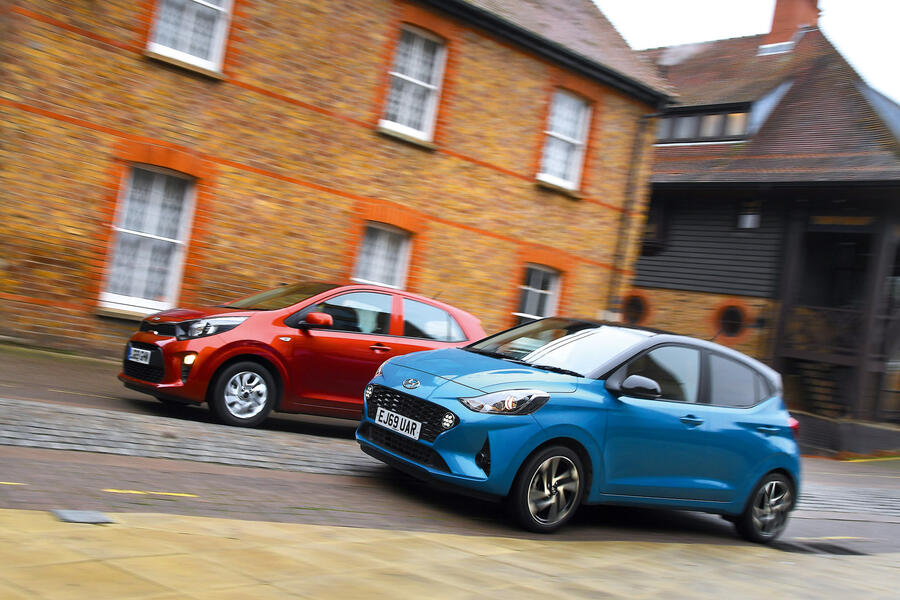
Even with modifications, Clove’s stringent proposals for Euro 7 have the potential to make many smaller, affordable ICE cars economically unviable for continued production.
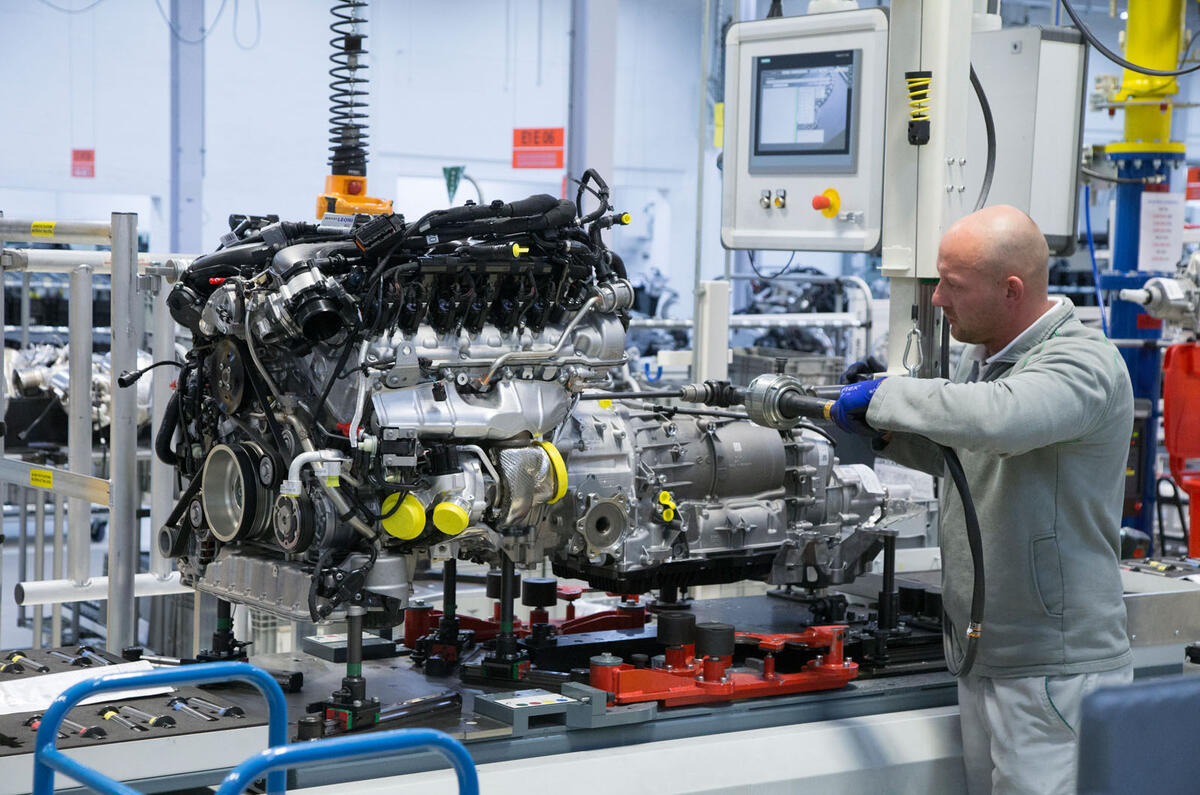
They could also put high-performance cars under serious threat, because of the need for engines to emit as little pollution as possible, even under hard acceleration.
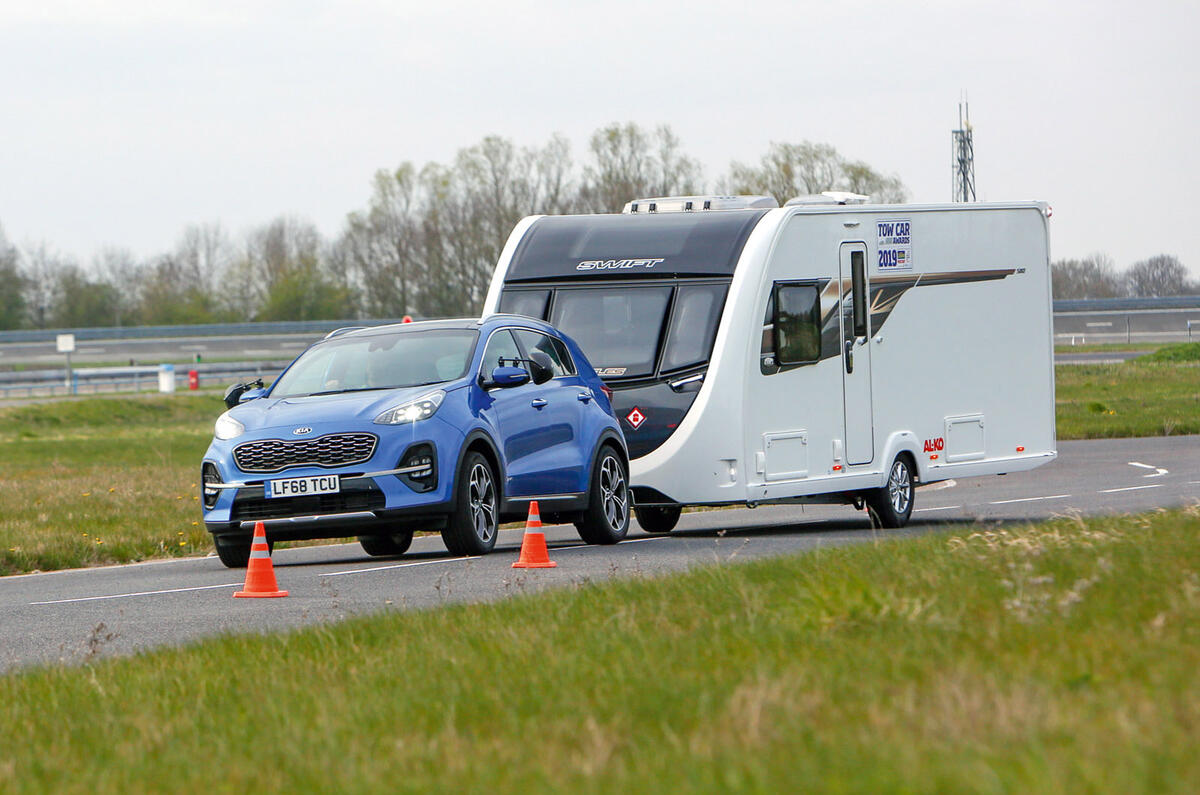
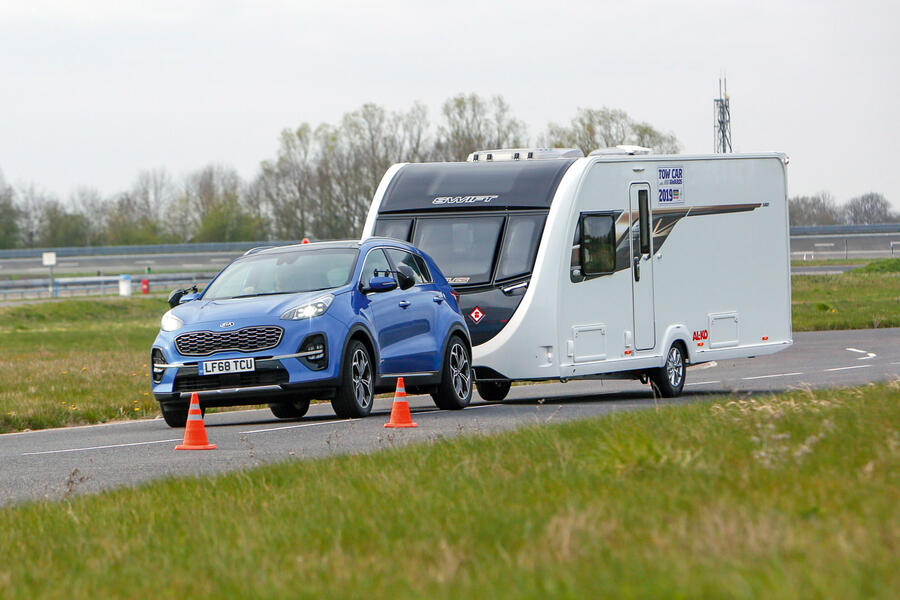
As a result, all strenuous driving scenarios, including towing a caravan, could be difficult with a Euro 7 car.
According to Clove’s published proposals, future ICE vehicles could be fitted with a multi-stage ‘supercatalyst’. For petrol engines, this would comprise a heated electric catalyst, a pair of 1.0-litre conventional three-way catalysts, a 2.0-litre particulate filter and an ammonia slip catalyst.
Clove claimed this huge technical leap represents “moving towards zero-impact after-treatment”. However, the ACEA argues that the installation of such a large and expensive device would be close to impossible in a small car and very difficult to integrate into many existing vehicle architectures, while driving up showroom prices.