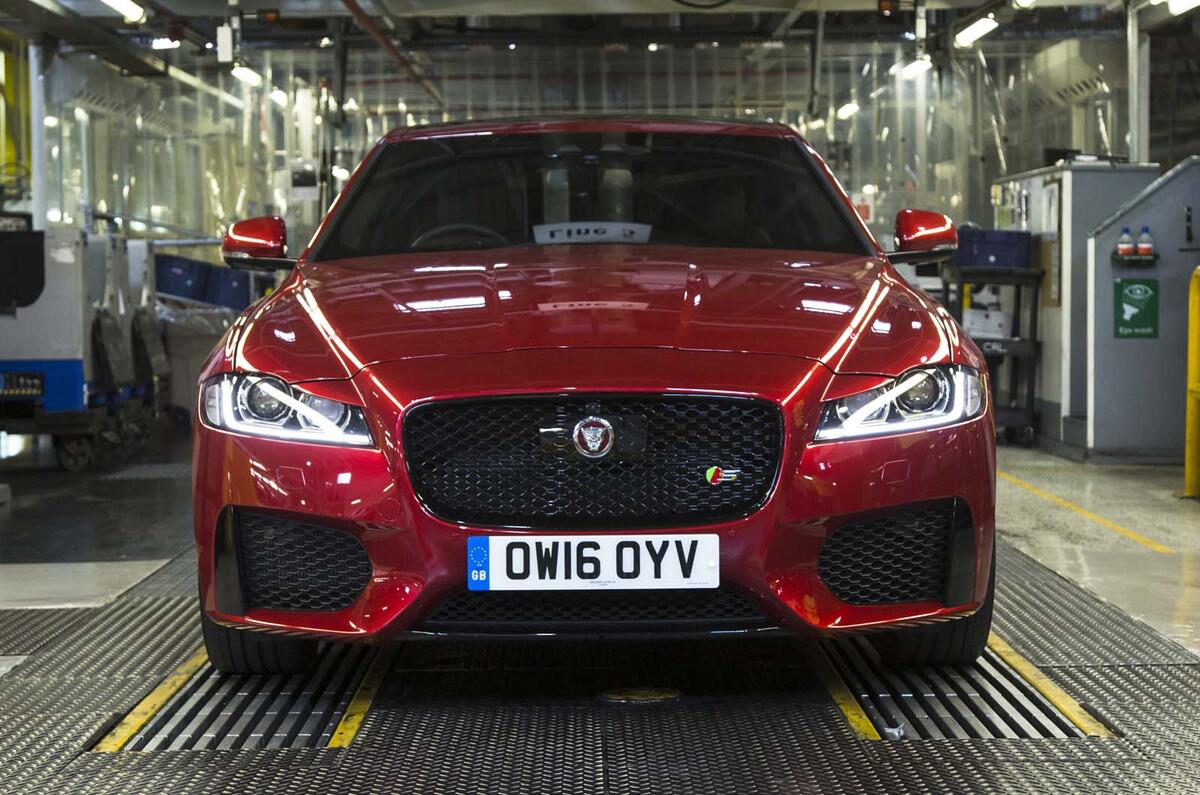
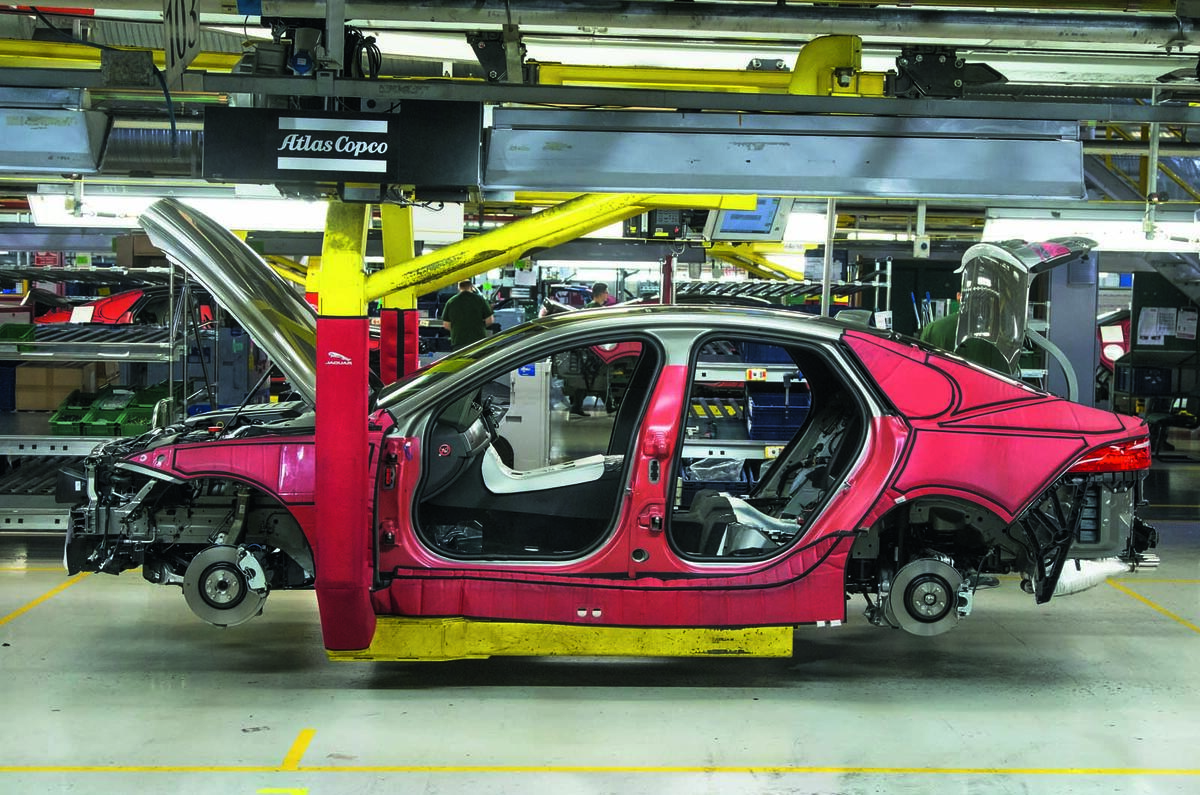




The decision last month to lay off 1000 contract staff out of a total 40,000 workforce may be a disaster for those affected but, on the face of it, it does not signal serious structural issues for Jaguar Land Rover’s business.
That said, although JLR has expanded at pace since its near-death experience after the credit crunch a decade ago, it is now facing a downturn in its fortunes.
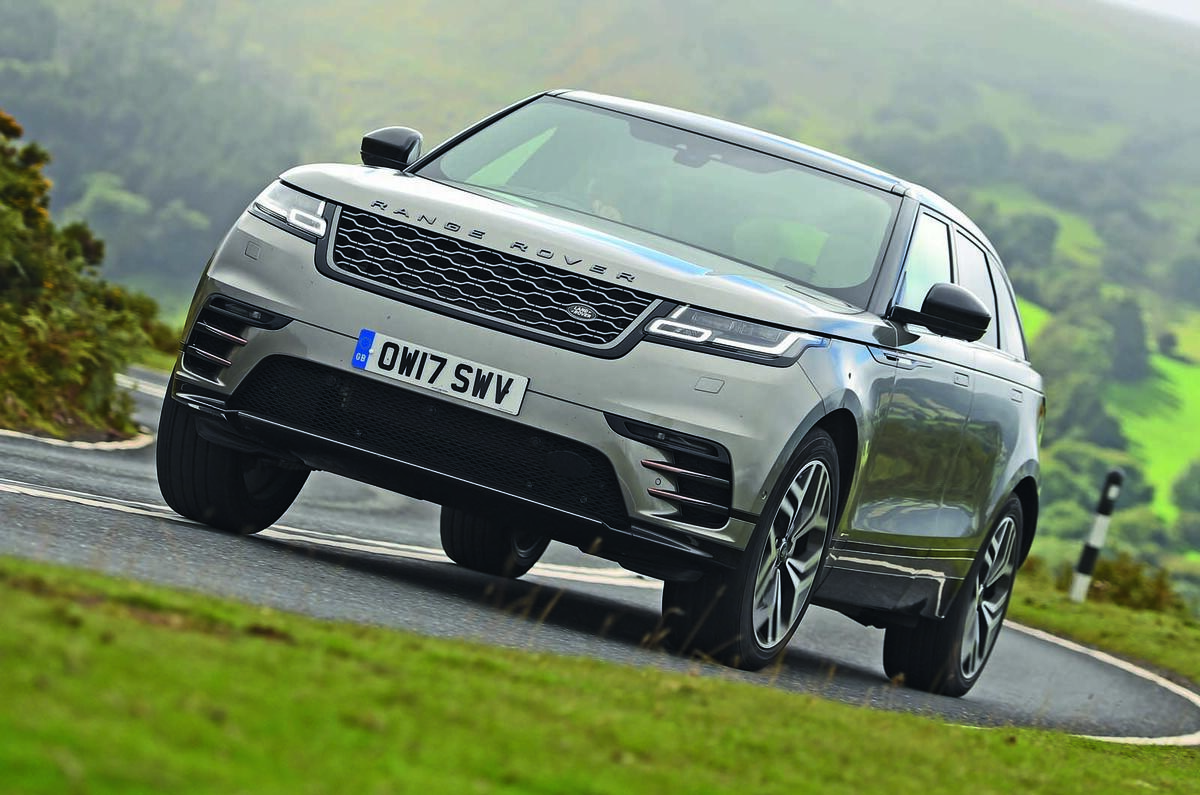
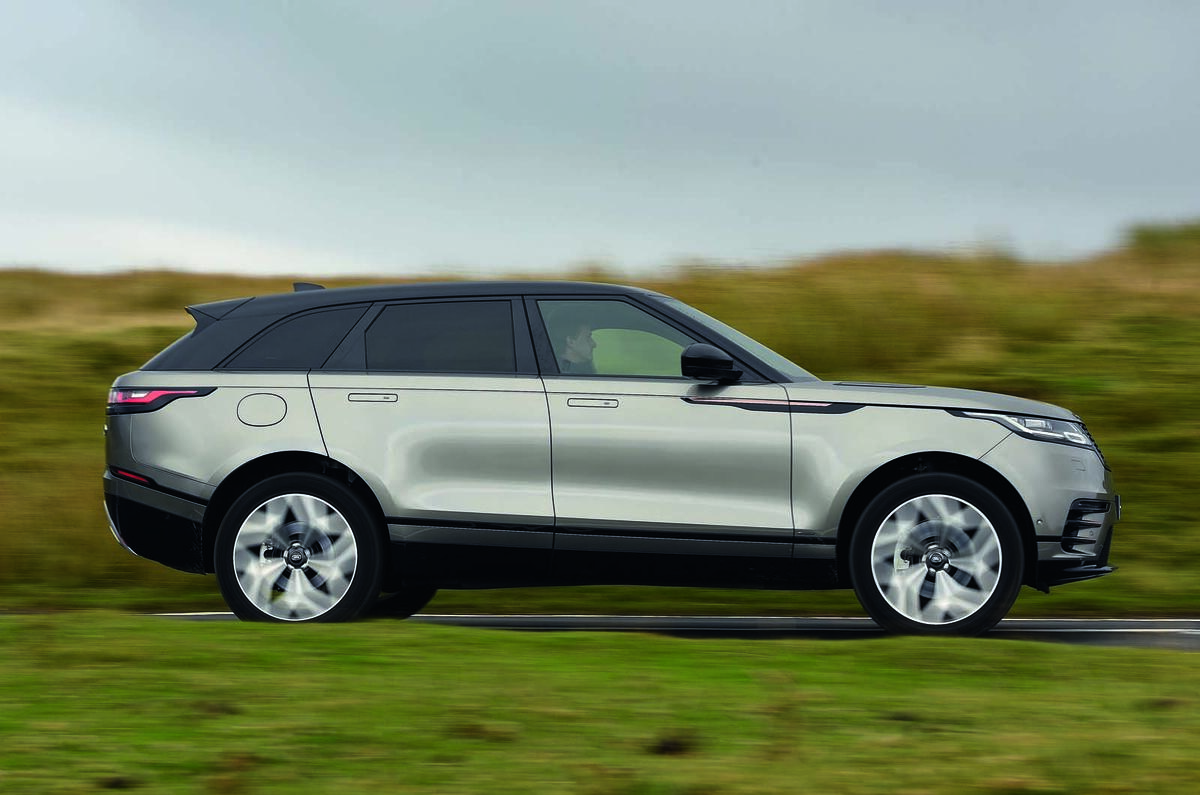
In the year to September 2012, JLR sold 269,000 cars worldwide. In the year to March 2018, it sold 614,300. That’s impressive growth and backed by an expanded model line-up including strong sellers such as the Range Rover Velar and the F-Pace, Jaguar’s first SUV.

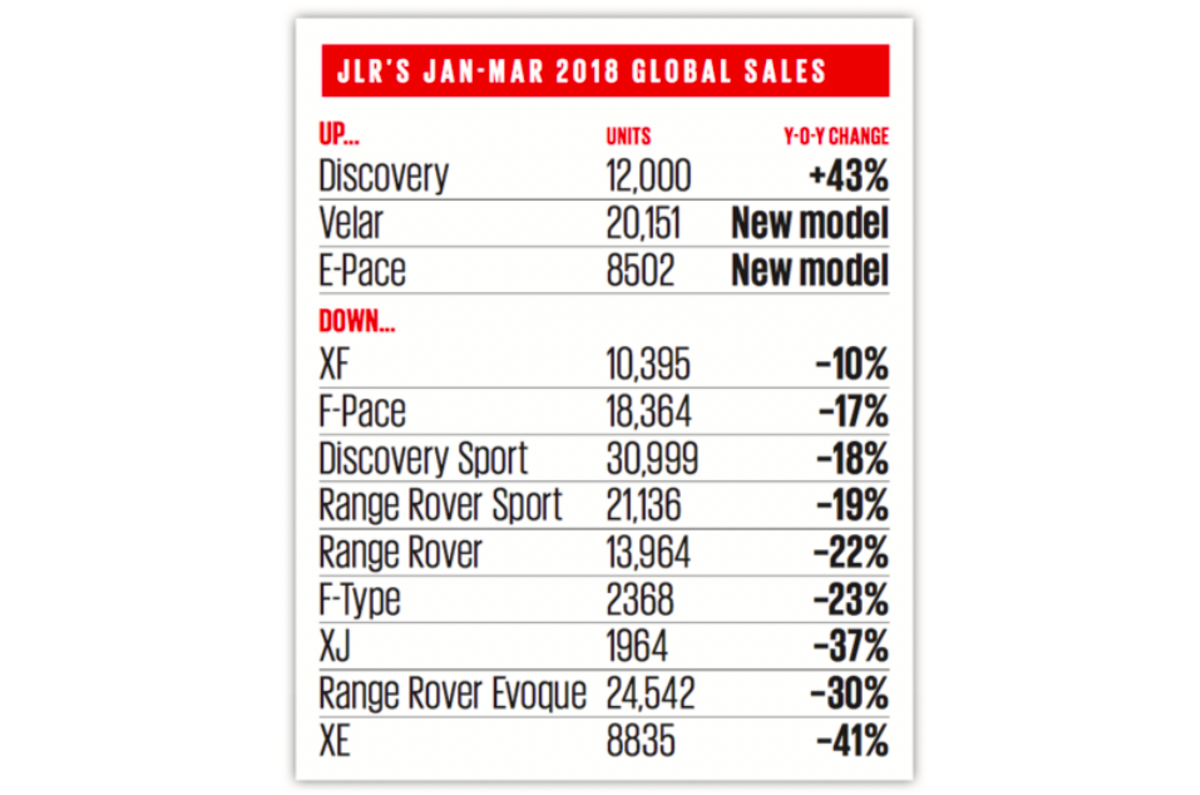
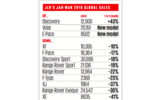
The top-line results for the fiscal year to March 2018 don’t look too bad, and in fact represent growth of 1.7%. However, the problem for the company lies in a marked fall-off in sales over the past six months of some of its most profitable volume models. It’s a fall-off that is most noticeable since the beginning of the year and showed no sign of slowing during March. Overall, JLR sales fell 3.8% year-on-year between January and March. But in March alone, sales were down 7.8%.
The company’s biggest issue is the UK market, where sales were down 21% in the first three months of the year and a worrying 26% in March alone. Sales in Europe were down nearly 12% between January and March. Across the rest of the world, however, company sales continue to grow. China, JLR’s second-biggest market so far this year, was up 11%.
Officially, the company blames its UK woes on consumer uncertainty over the future of diesel and the effect of Brexit.