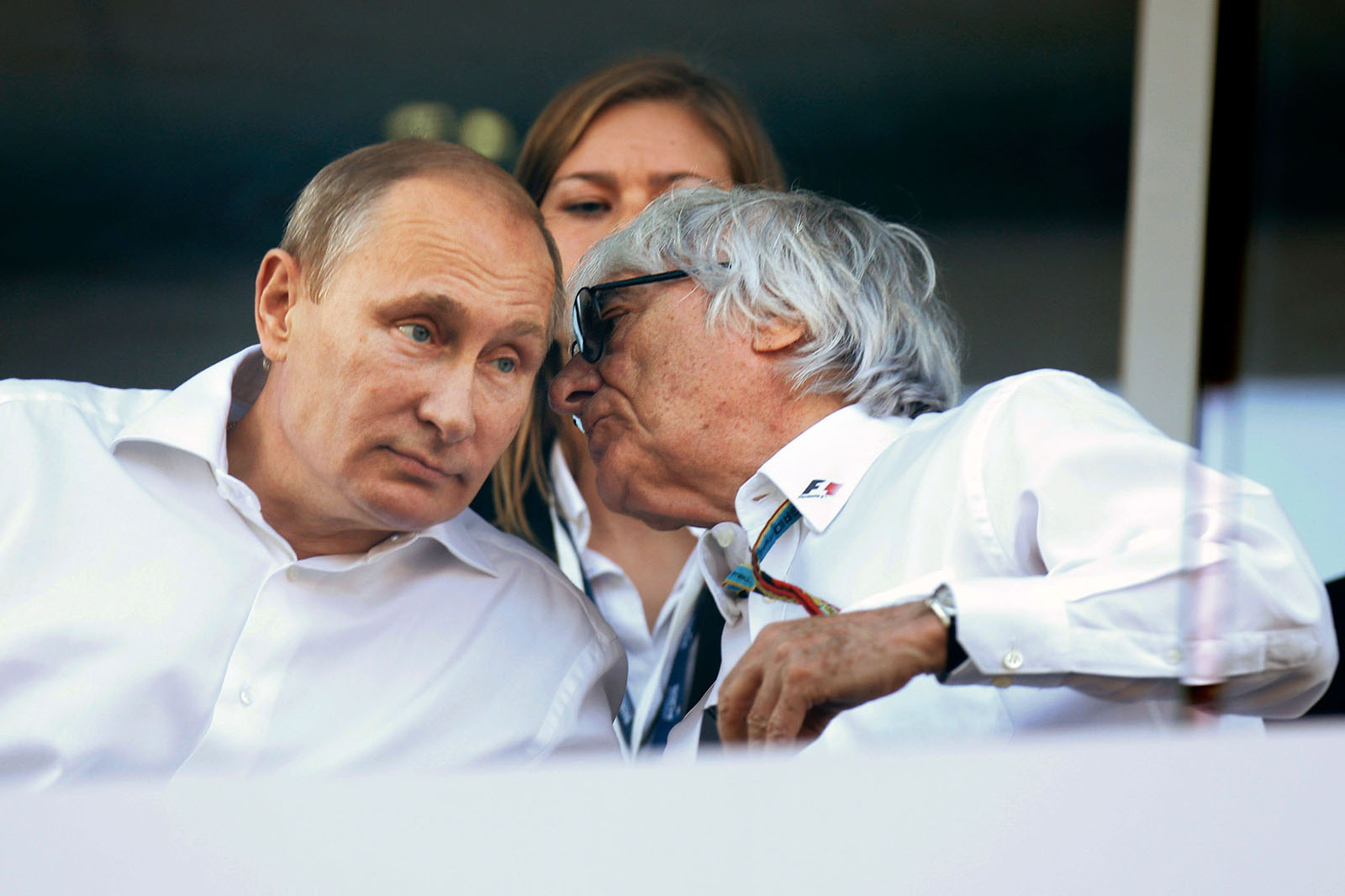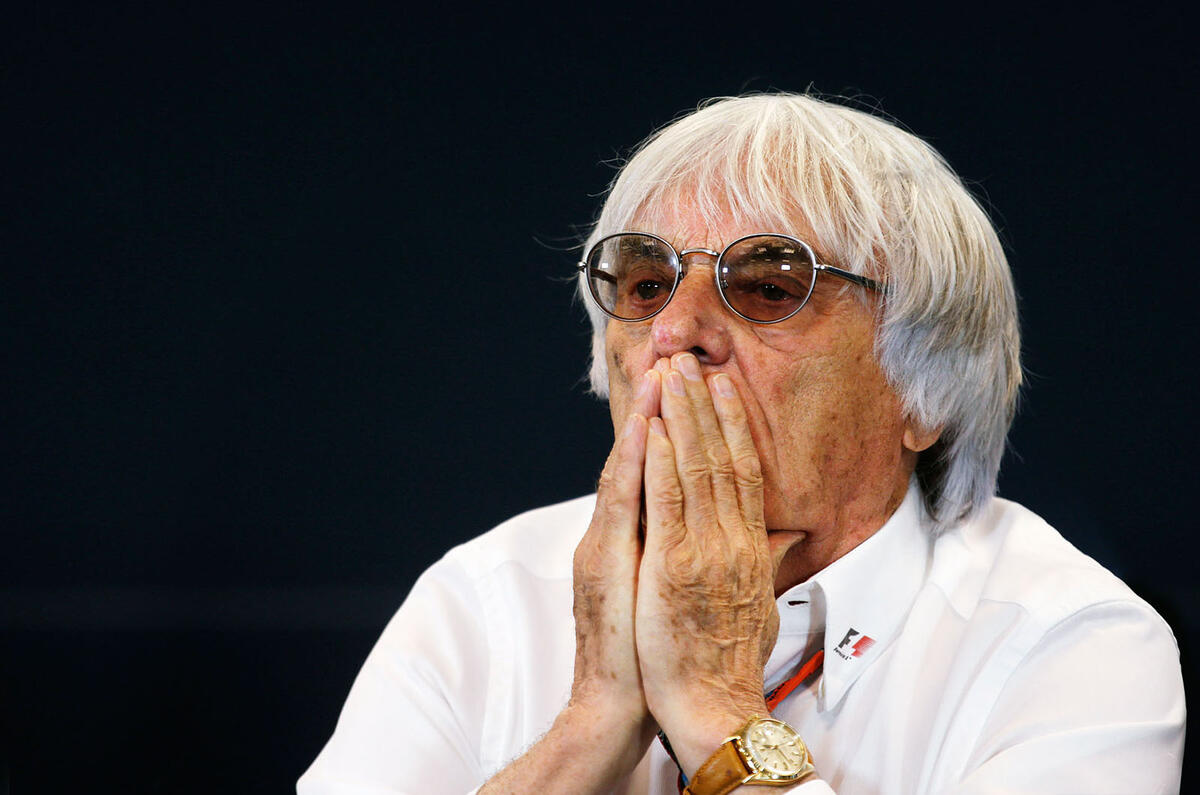
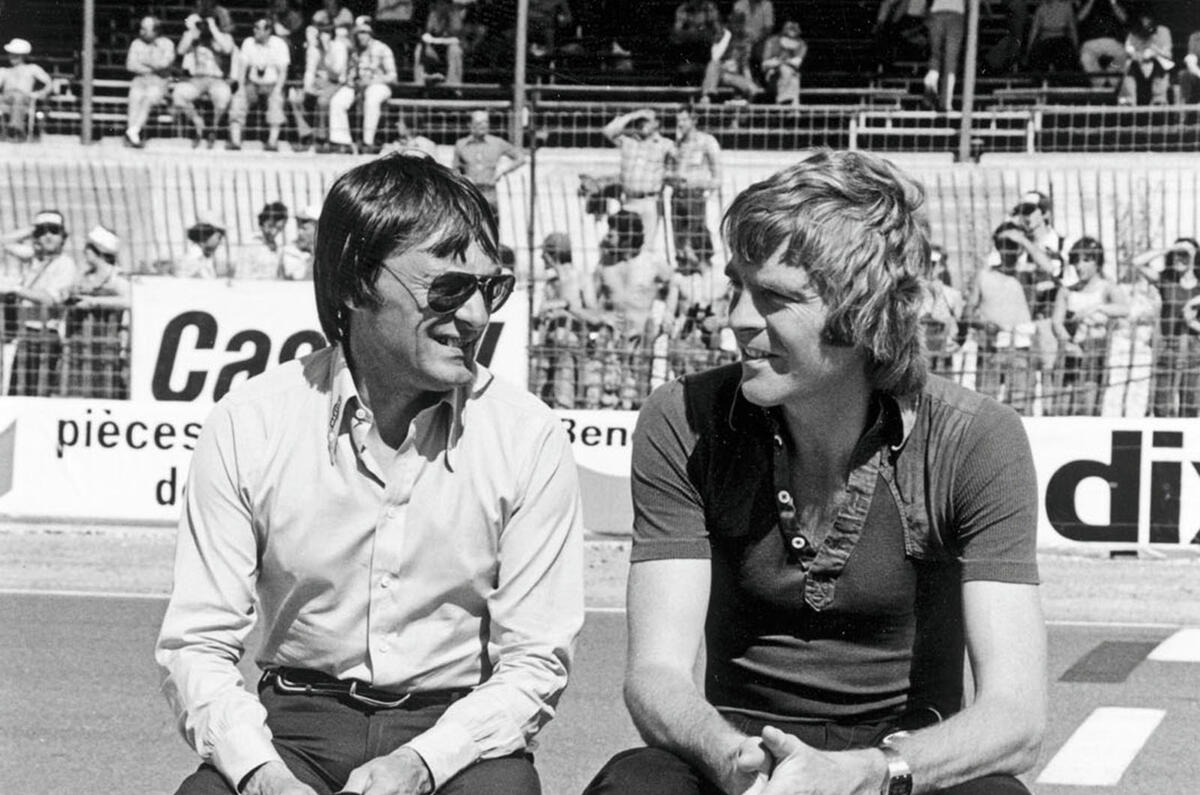
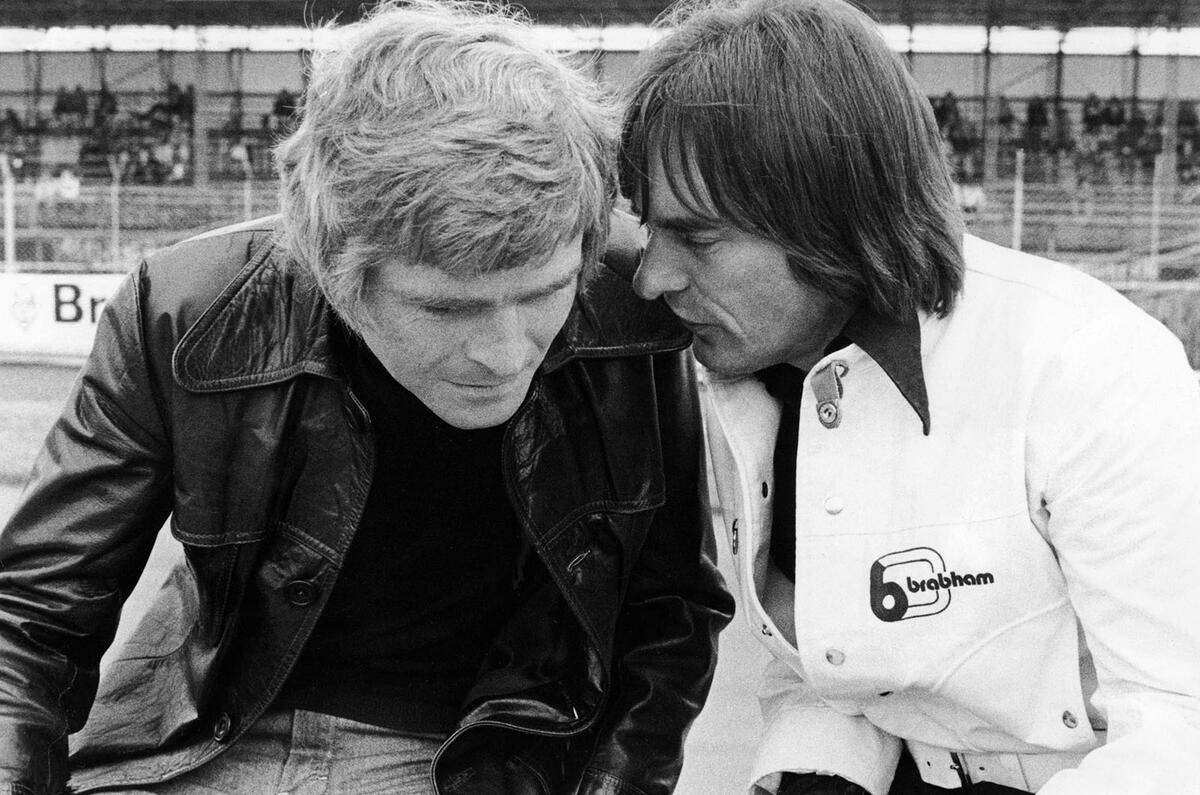
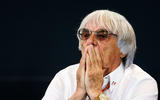
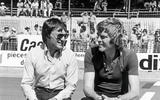
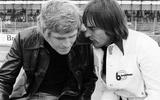
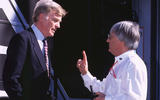



Bernie Ecclestone was never going to leave Formula 1 gracefully, so he had to be nudged towards the door marked Exit.
Bernie Ecclestone: should we love him or hate him?
That was his character and, even at 86, he was still motivated, even if he probably should have gone sooner. He had no real desire to change. He wanted to go on doing deals, as he has always done.
It was not about the money – that was just the way of keeping score. It was about getting someone to agree to what he wanted. It was all about winning, and Ecclestone always needed to win.
The only question to him was the scale of the victory. With F1, he had something people wanted, so he was able to squeeze them, to make them pay more than they were willing to pay. Call it greed if you like, but really it was about power.
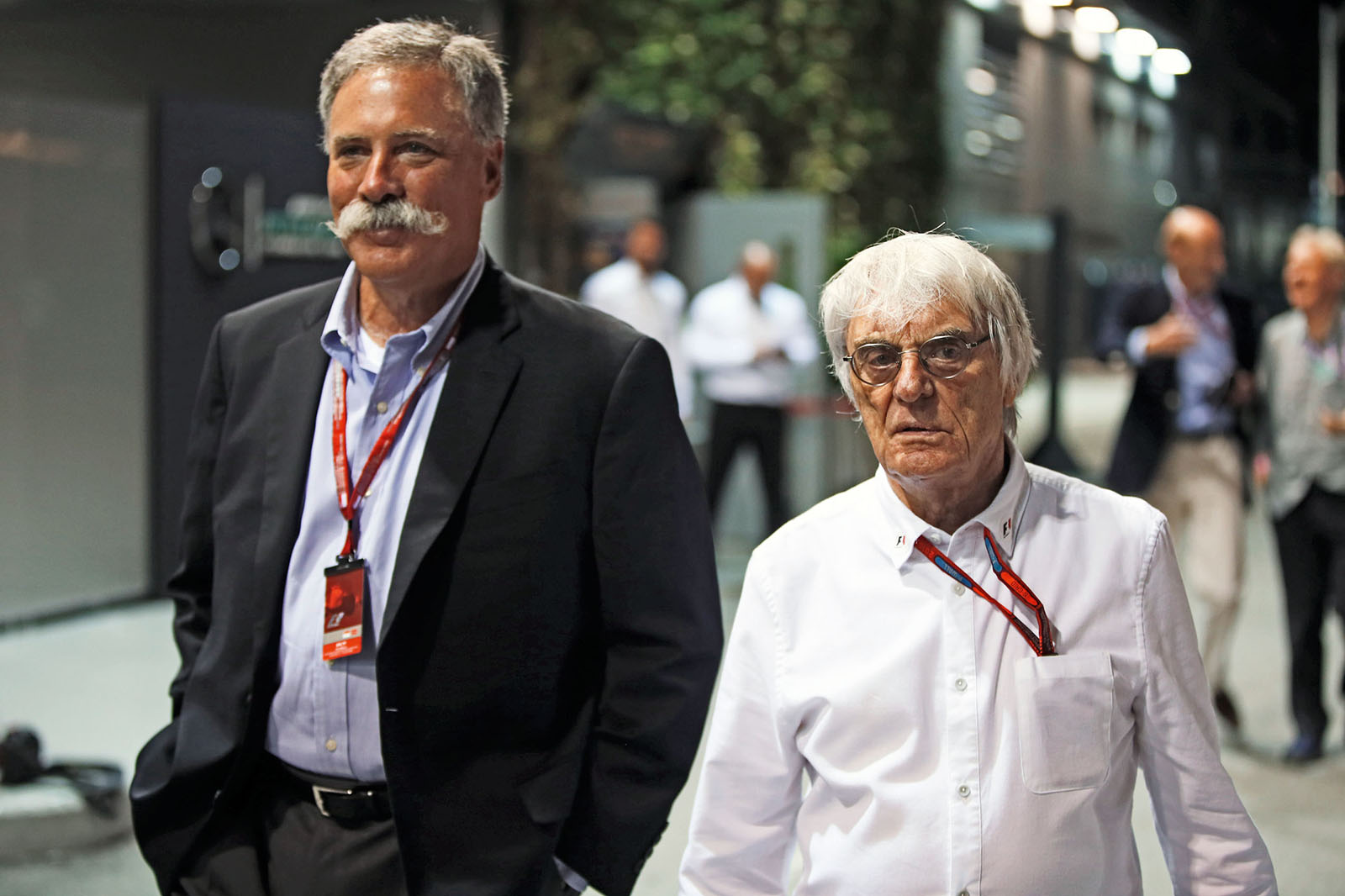
He was funny, charming and ruthless. Utterly ruthless. He was a car dealer to the core, a genius at spotting people’s weaknesses and using them to his advantage. He understood greed and ambition and recognised the dangerous people and made them his friends, although he has few real friends. He could wrap naïve journalists around his little finger by tickling their ego, making them feel that he was their best buddy, but he was a user. For a journalist, he always had a headline, but a lot of them were simply not true. He was just playing, keeping F1 in the newspapers, being outrageous for the sake of it. Sometimes he said things simply to see if people would challenge him.
There was a good side too, but it was well hidden. He didn’t want people to see that too often, because to him this was a weakness.
What Ecclestone did for F1 was impressive, but how he won control of the commercial side of the sport was not. Juggling companies and contracts, he stripped his fellow members of the Formula One Constructors’ Association (FOCA) of the rights they had won together and then presented them with a fait accompli. At one famous FOCA meeting, Ken Tyrrell had to be restrained from strangling Ecclestone when it emerged what he had done. Ecclestone saw it as their fault for not stopping him. Without him, they probably would not have become as wealthy as they did, because they could never agree. He understood this and made it happen.