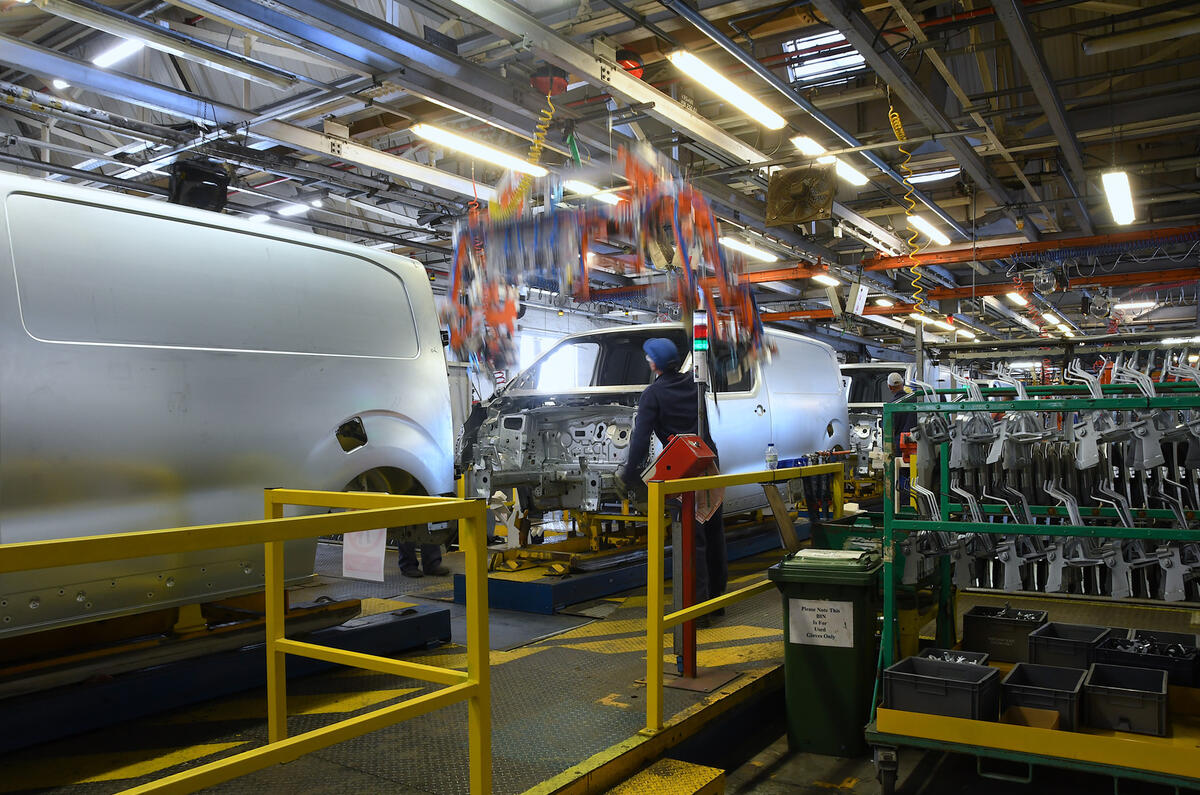






Widespread industry despondency following the closure of Honda’s Swindon plant last month has partly been lifted by significant investment boosts for British manufacturing announced over the past couple of months.
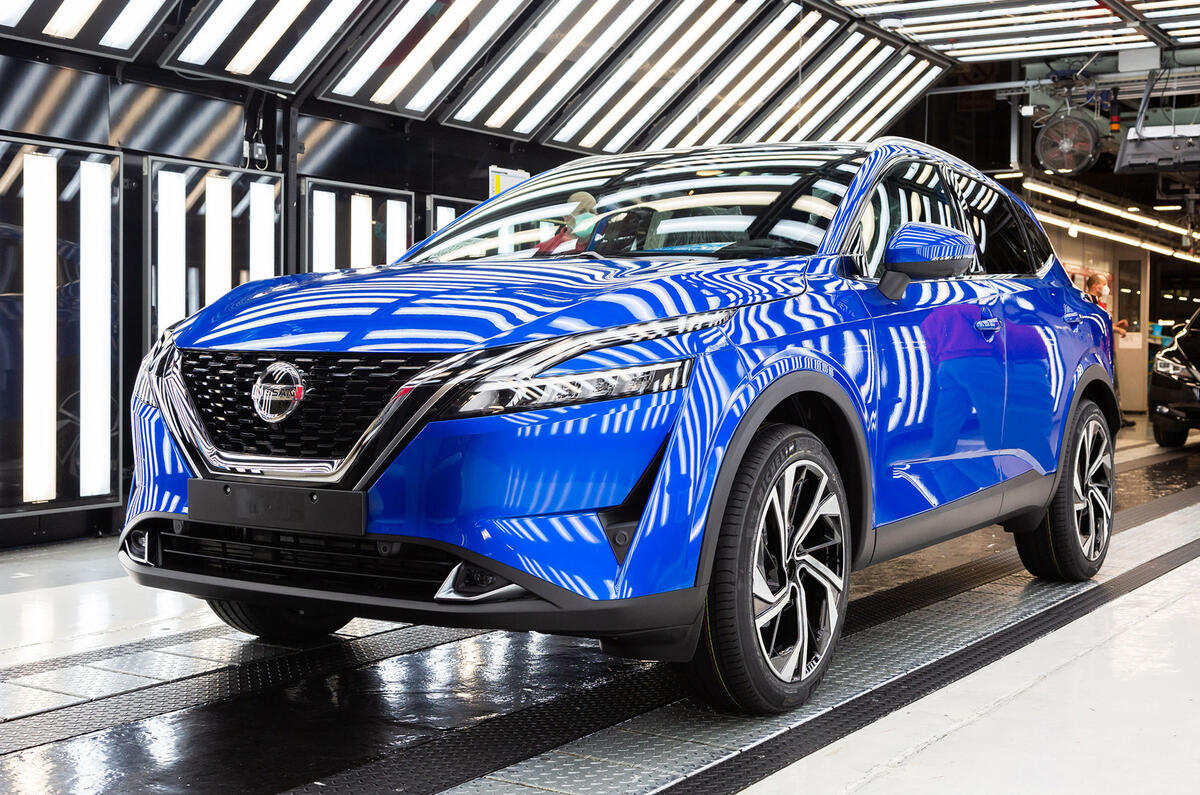
News that China’s Envision AESC will build a gigafactory battery cell plant next to Nissan’s Sunderland facility was followed by the announcement that Vauxhall’s Ellesmere Port plant would continue into the electric era, making Stellantis-brand battery vans both for the UK and for export to Europe.
Then came reports that Ford-backed American EV start-up firm Rivian is considering a production site near Bristol, fuelling hope that the UK can continue to supply its biggest export market, Europe, with relevant vehicles into the electric age.
So while production has tumbled from the 1.81 million vehicles built in 2016 – the industry’s best year since 1972 – there are hopeful signs the slump, aggravated by the pandemic, will come to an end once the industry eventually finds shelter from the myriad of headwinds it currently faces.
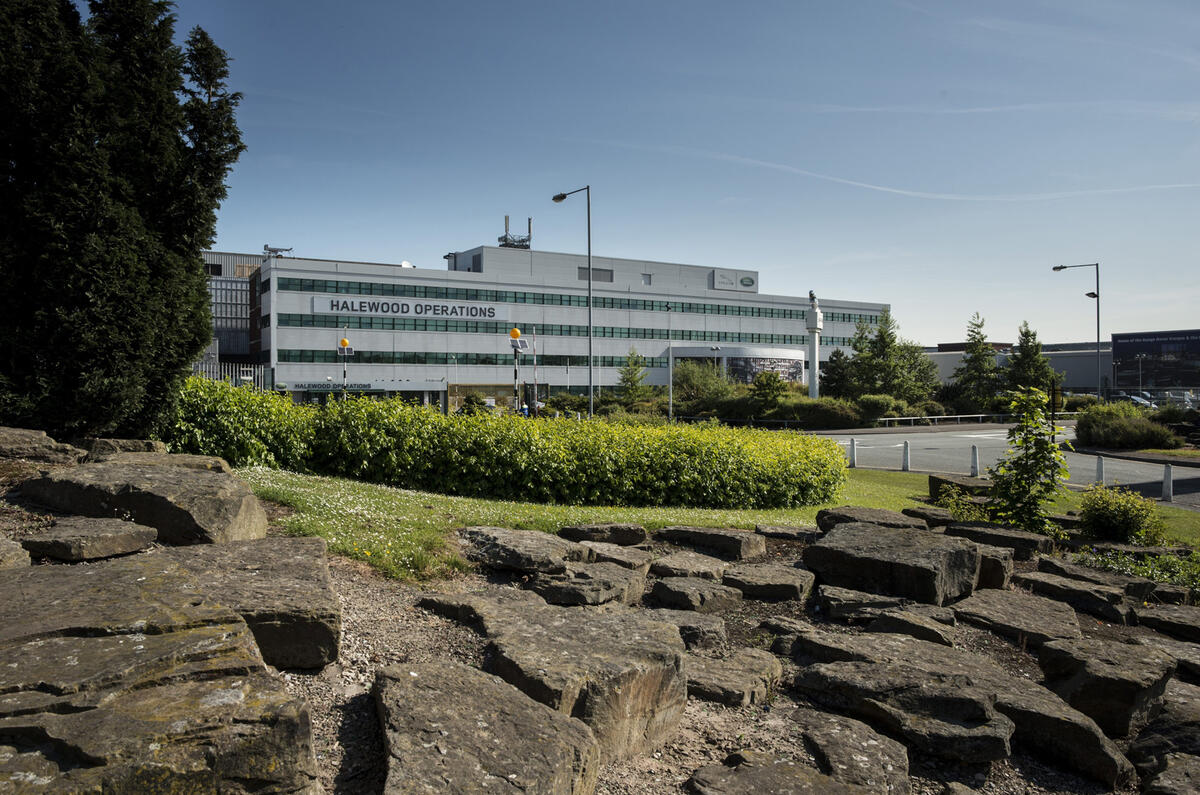
Jaguar Land Rover: Halewood, Castle Bromwich, Solihull, Birmingham and Wolverhampton

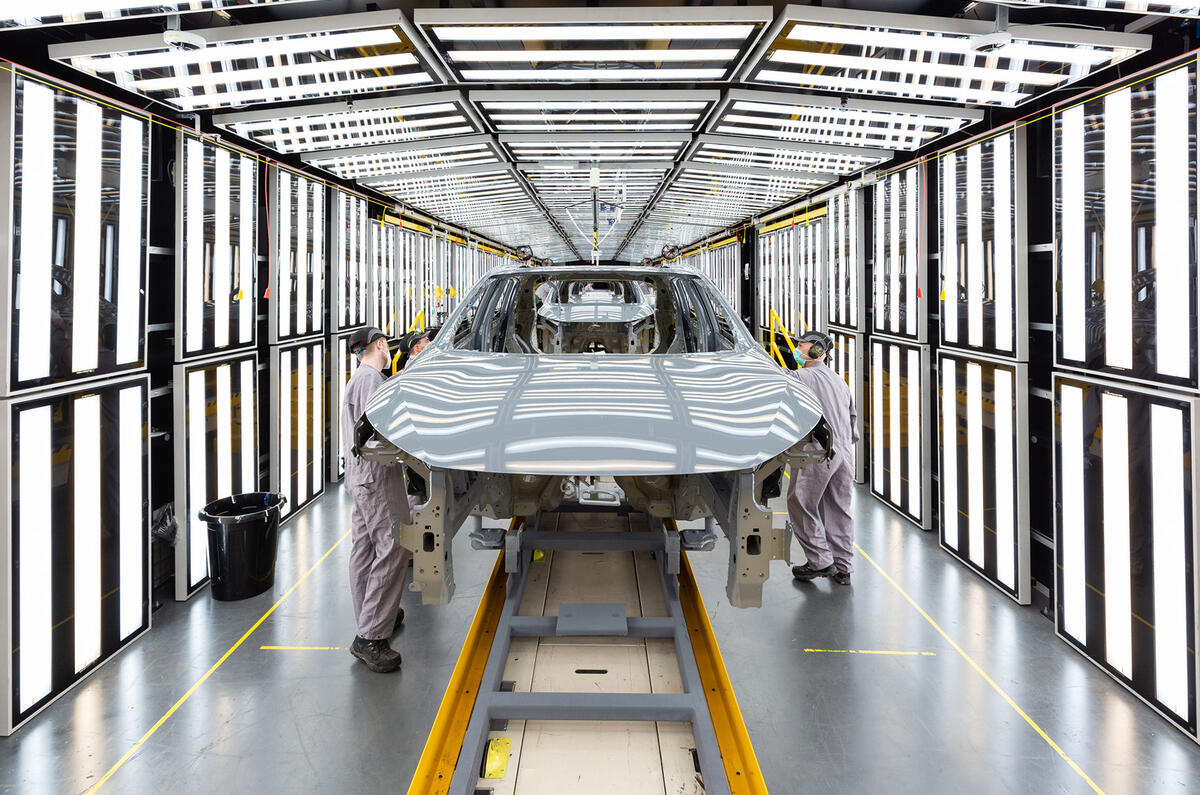
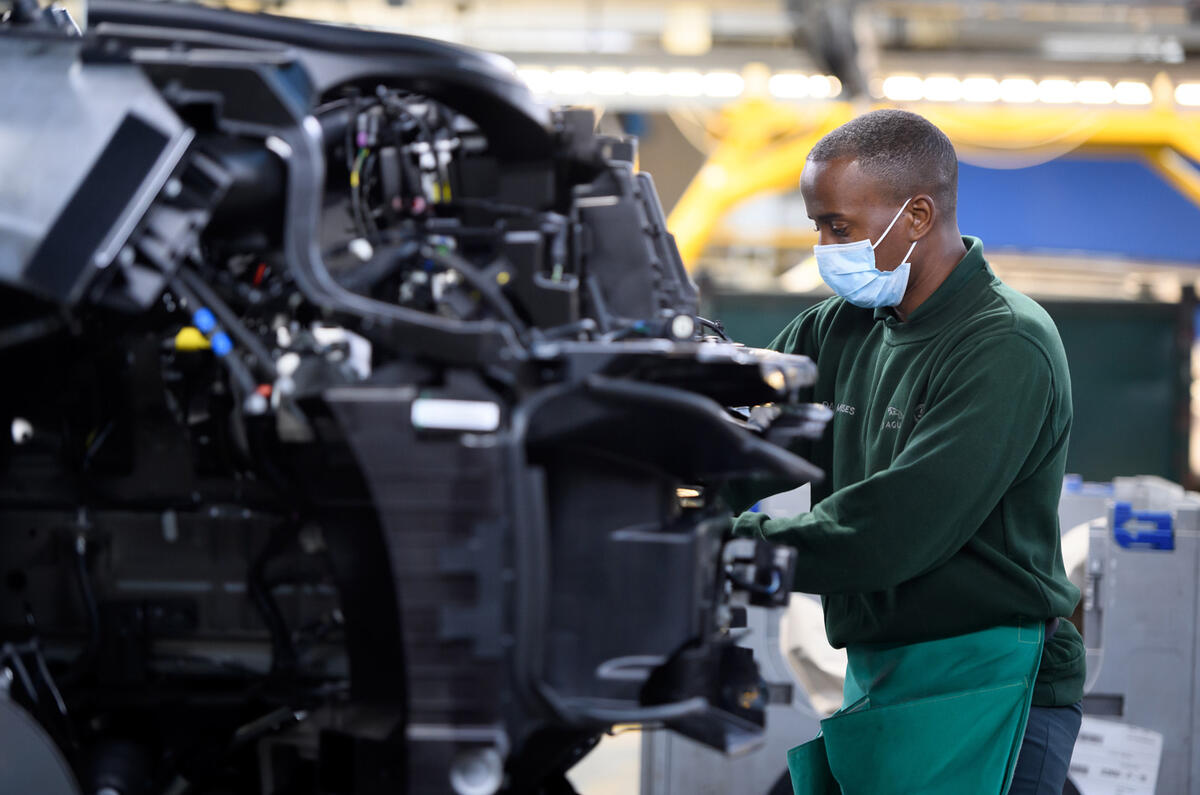
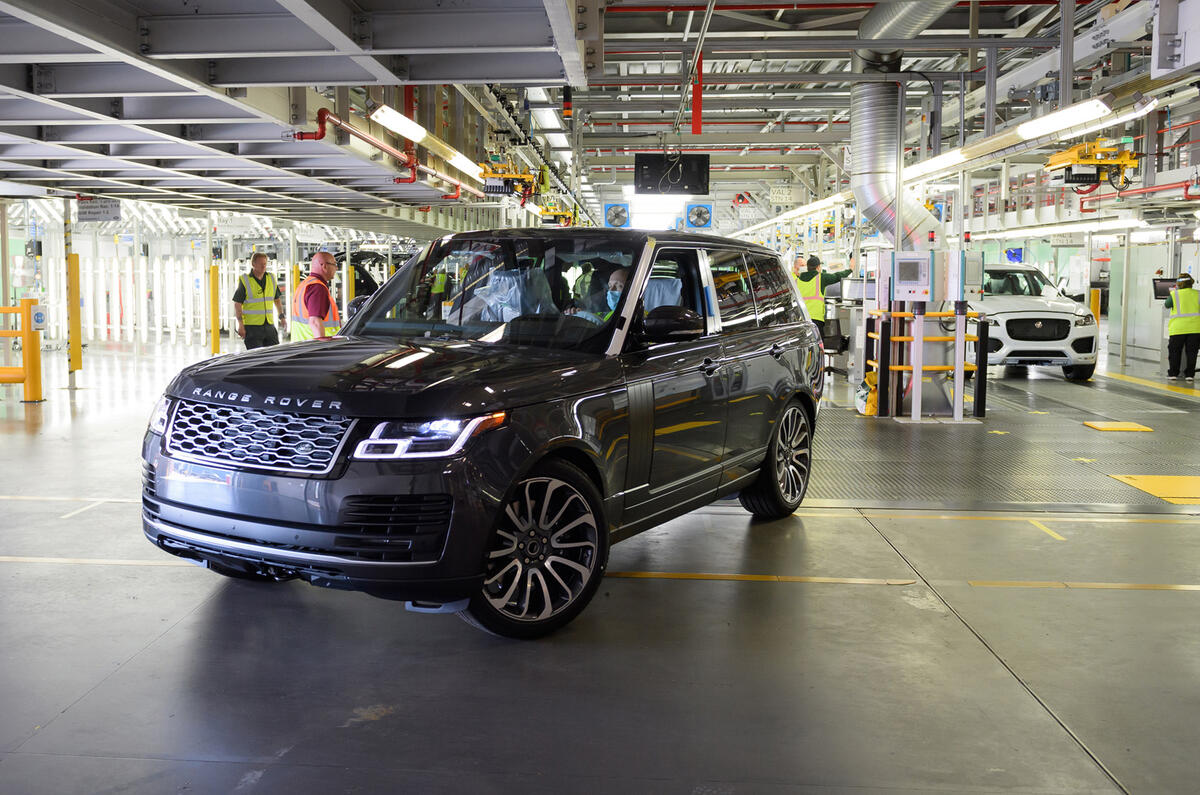
JLR’s woes have hit production at all three of its UK assembly facilities, which together produced just 243,908 cars last year, down from 385,197 in 2019 and 544,401 in 2016.
Under JLR’s reinvention plan, Solihull will be reserved for the new Range Rover and Range Rover Sport on the new Modular Longitudinal Architecture (MLA), as well as the models in Jaguar’s post-2025 all-EV line-up. Halewood will make Discovery Sport and Range Rover Evoque successors on the new ‘batterynative’ Electrified Modular Architecture (EMA) from 2024.