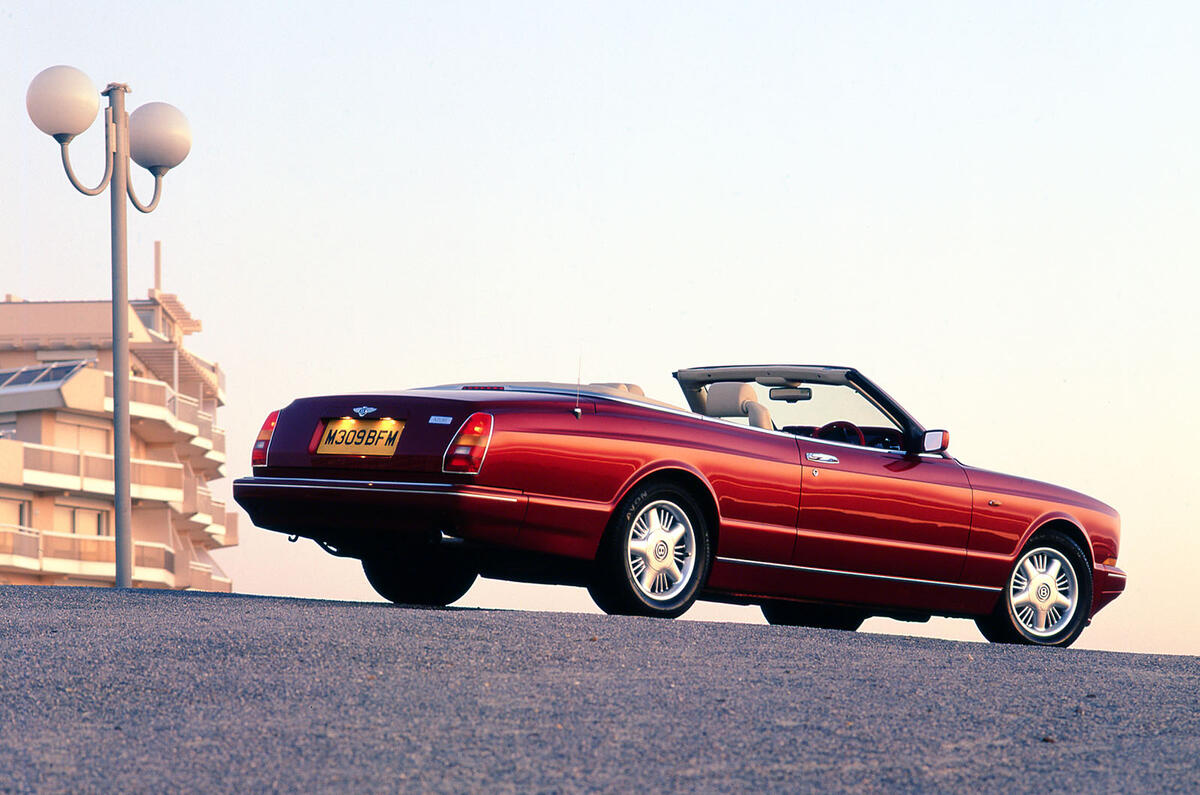
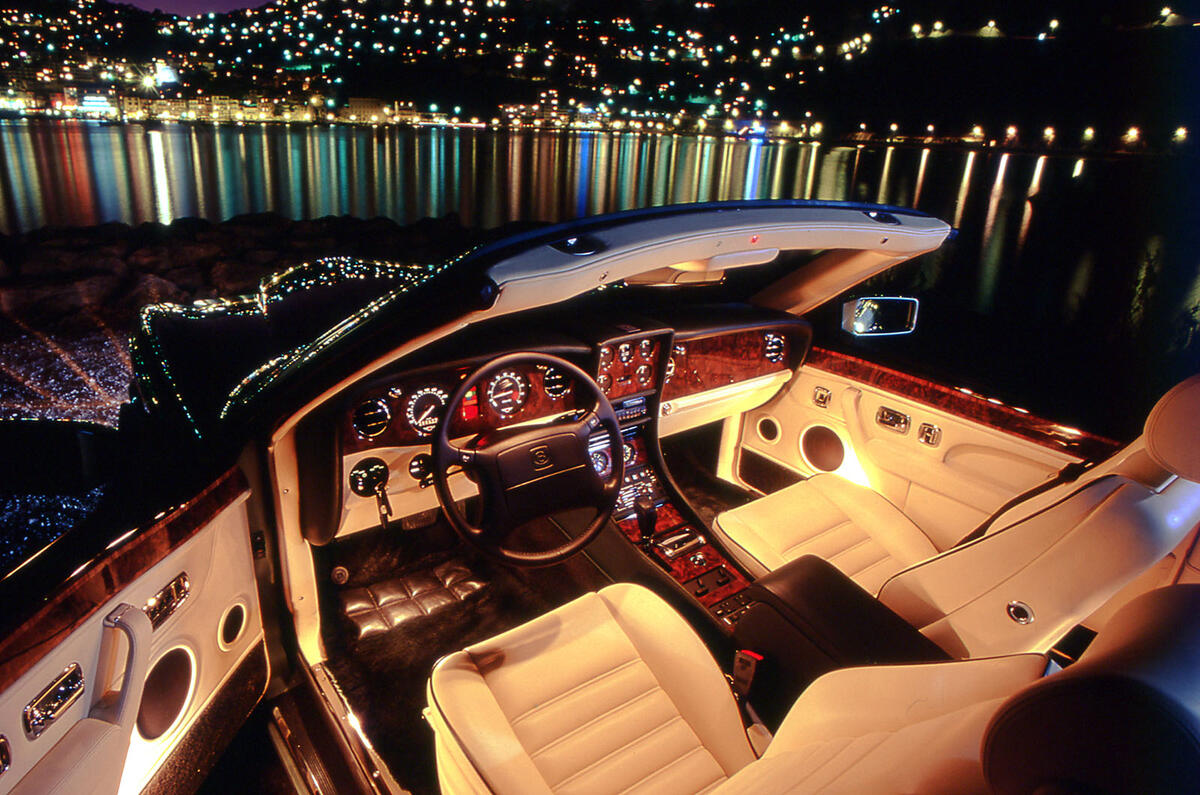
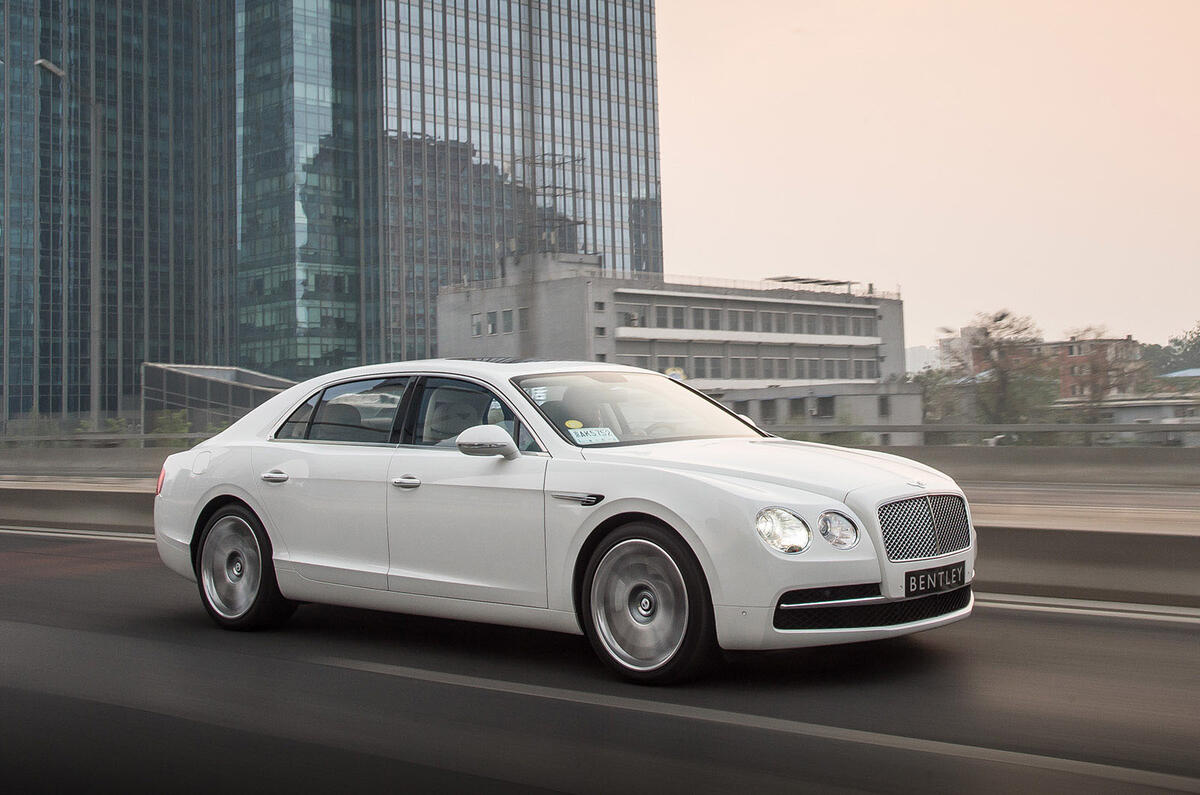
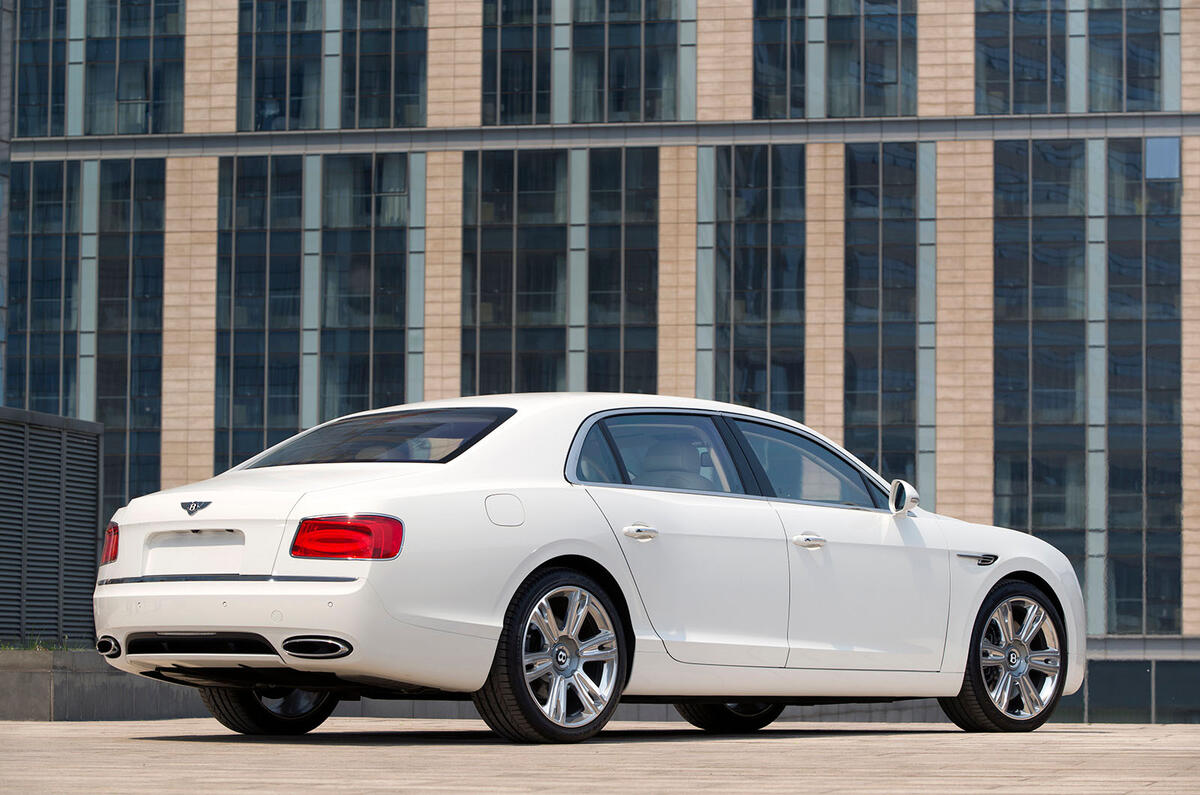
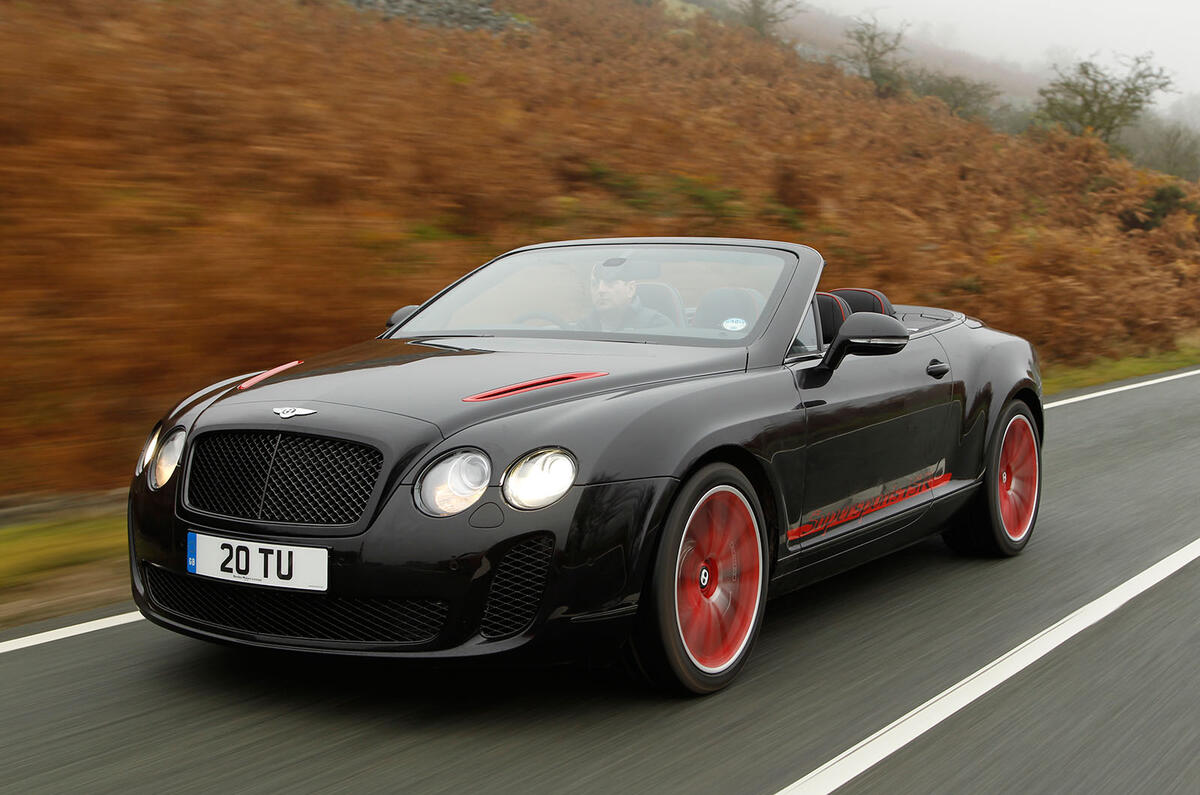
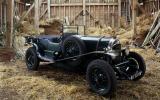
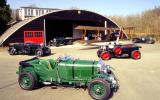
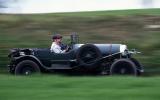
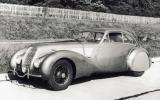
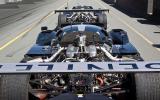
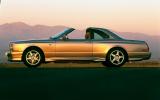
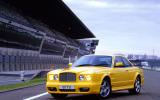
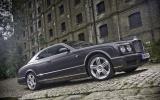
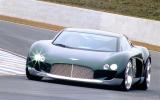
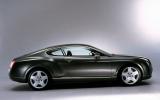
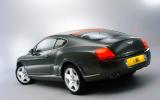
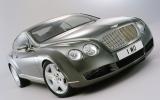
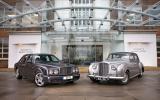
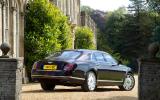
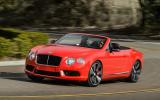
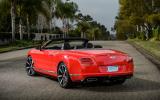

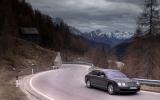
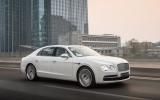


To many, the Bentley name means total luxury and performance with a price tag to match. Today, its cars are often seen in the company of footballers, film stars and financial leaders. But the affluent car maker has speed and power firmly etched into its roots, as well.
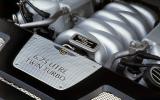
British engineer Walter Owen Bentley initially learned his trade designing and building aircraft engines during the First World War, leading to his infamous Bentley BR1 aero engine during that period.
‘WO’ already had experience dabbling with the automotive industry by the time the war ended, when he and his brother, Horace Millner Bentley, started importing and selling French DFP (Doriot, Flandrin & Parant) cars in 1912.
Ever the precocious idealist, the 21-year-old spotted an opportunity to build the car he always wanted to. With the help of his brother, that dream became a reality in August 1919 – Bentley Motors Ltd was born.
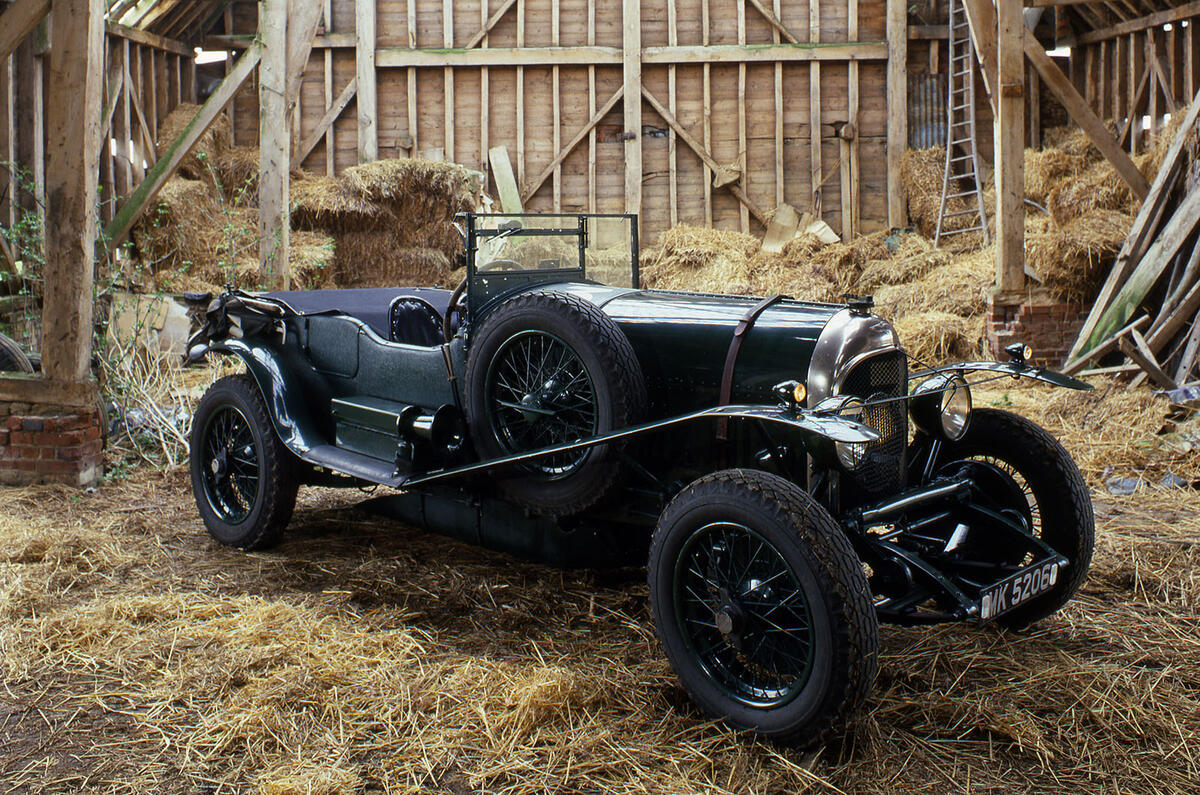
Two months later, the first Bentley 3.0-litre engine fired into life at their Baker Street, London premises, and the following year Autocar road-tested the first complete car – the handbuilt prototype EXP1.
Back in 1920, we said: “For the man who wants a true sporting type of light-bodied car for use on a Continental tour, the 3.0-litre Bentley is undoubtedly the car par excellence.”
Two more prototypes followed as WO continued in relentless pursuit of his vision “A fast car, a good car, the best in its class” before finally the first production model was sold in September 1921.
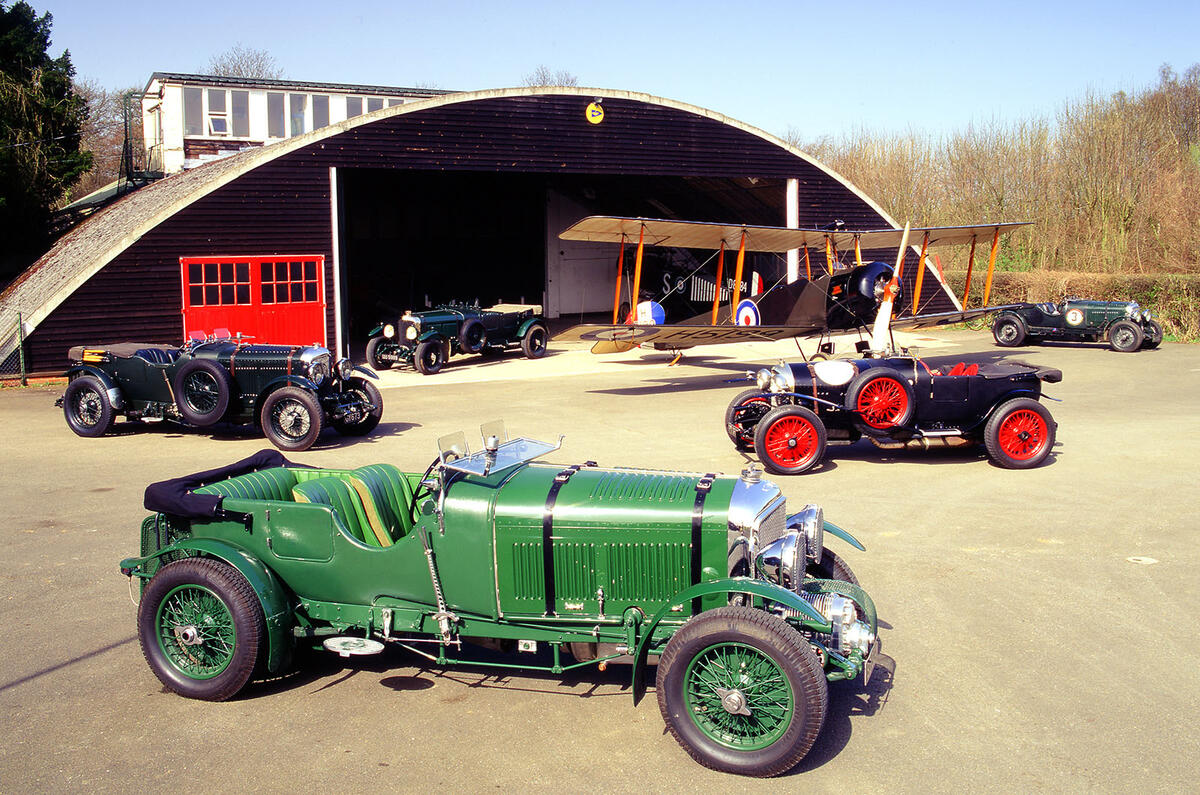
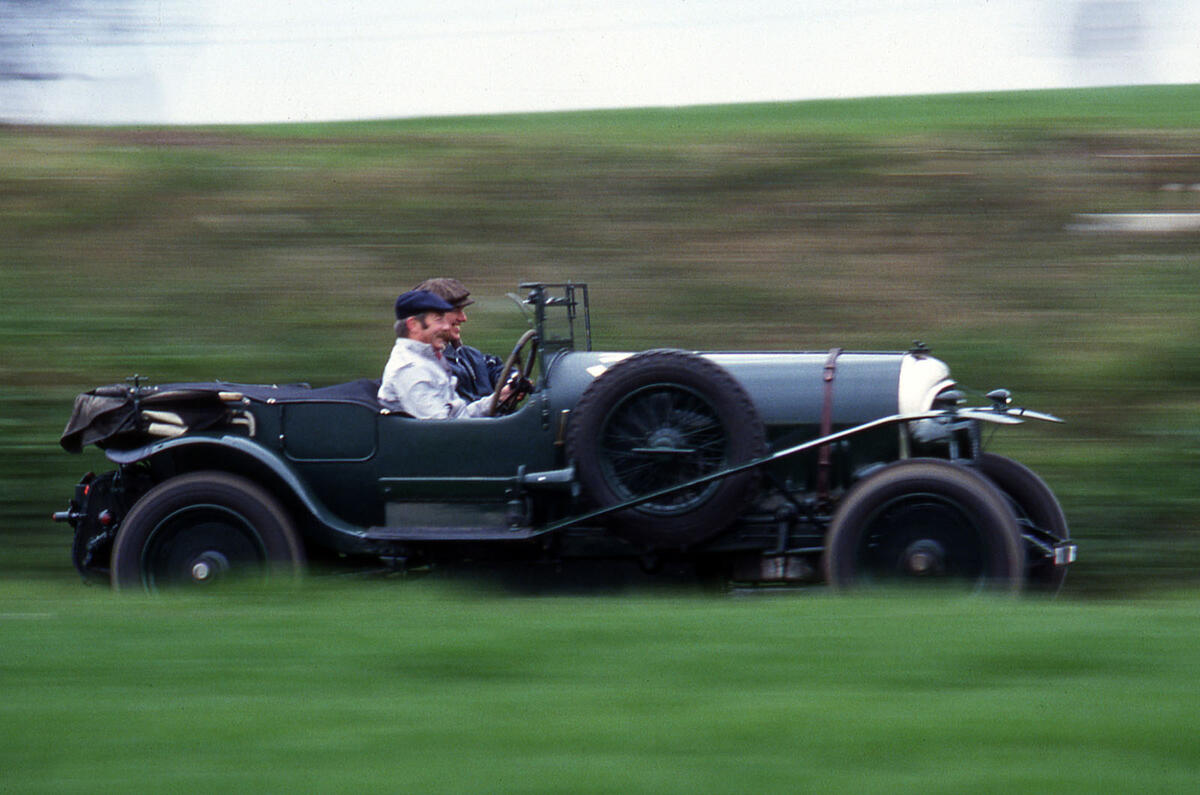
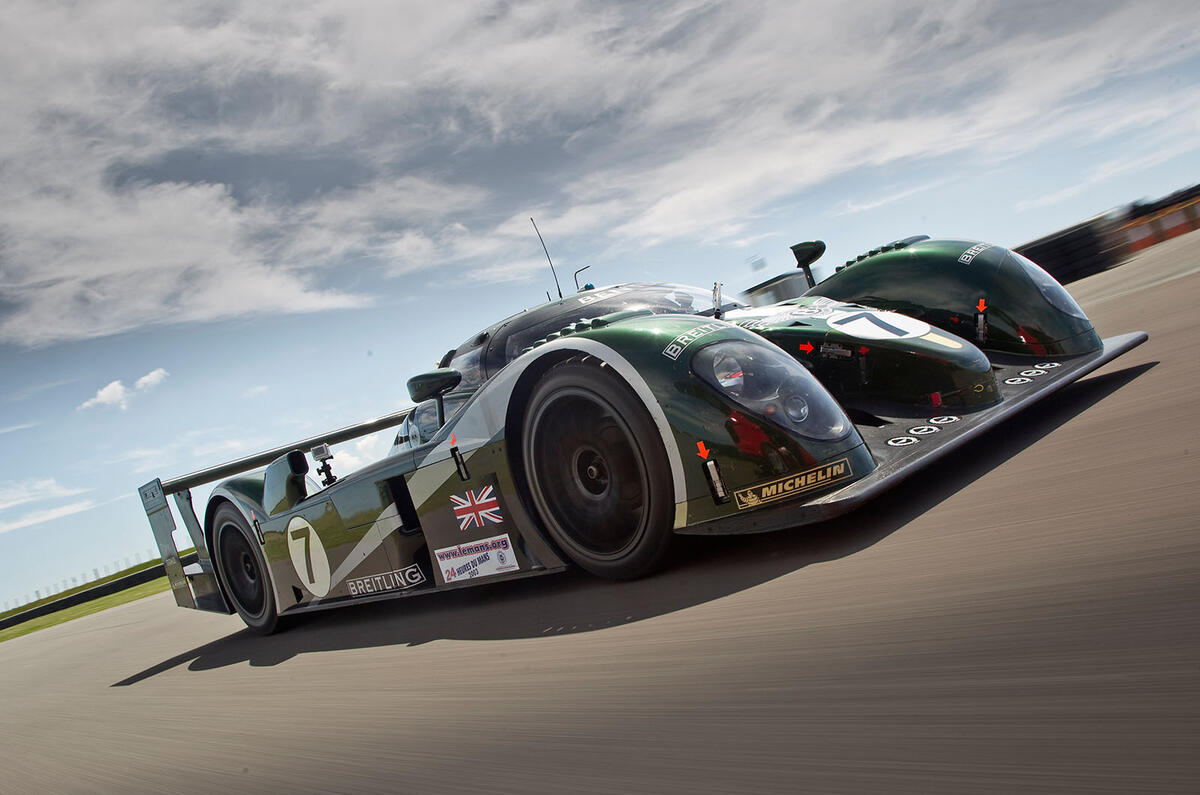
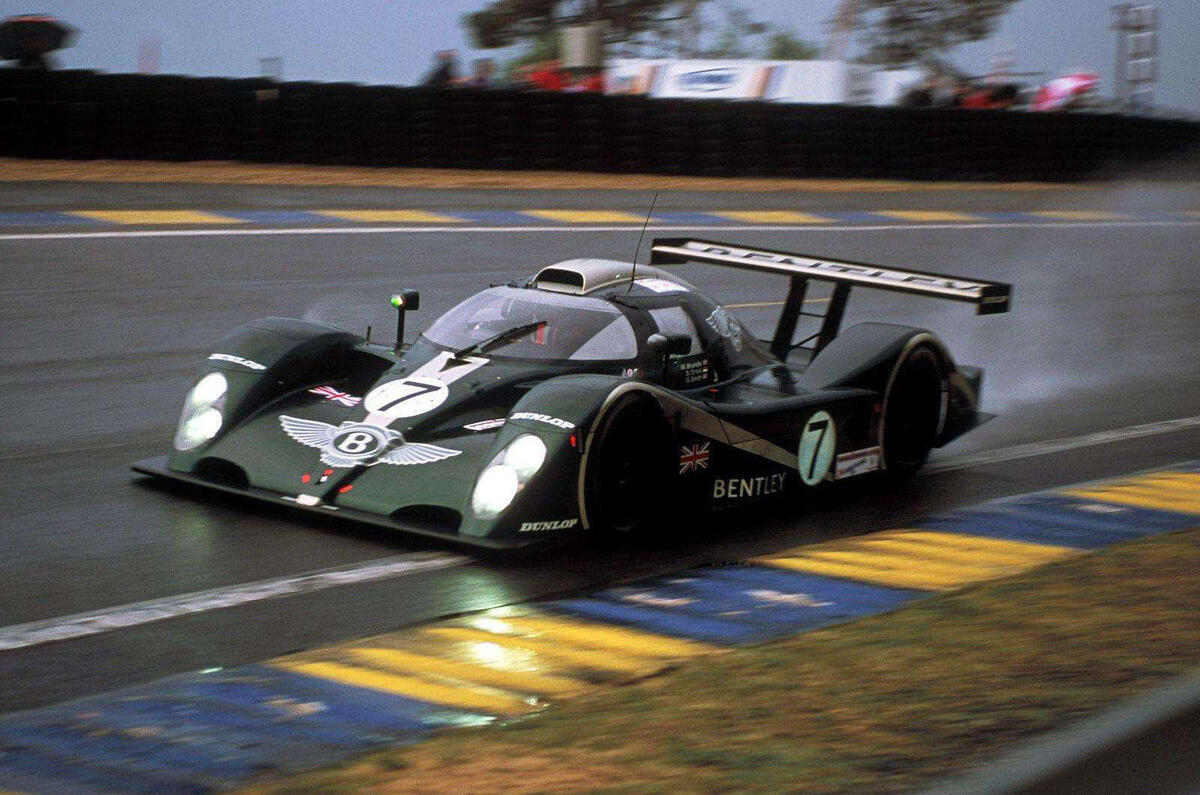
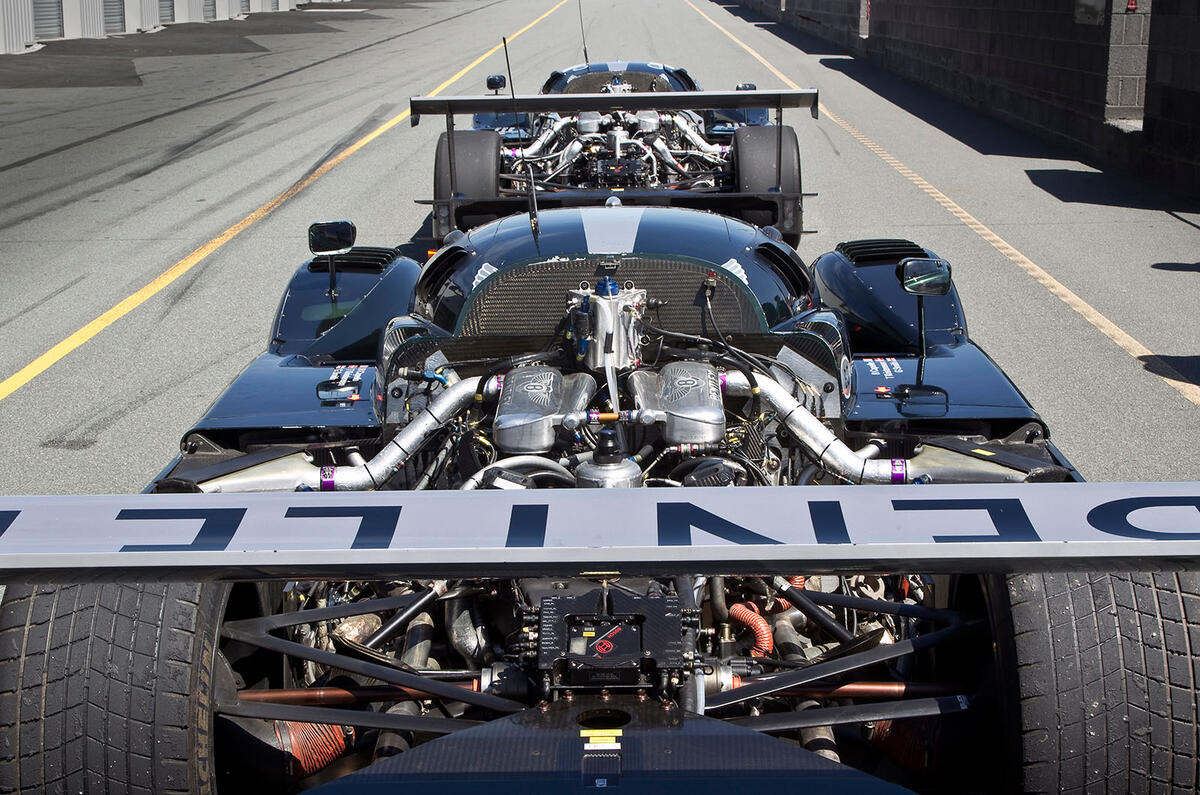
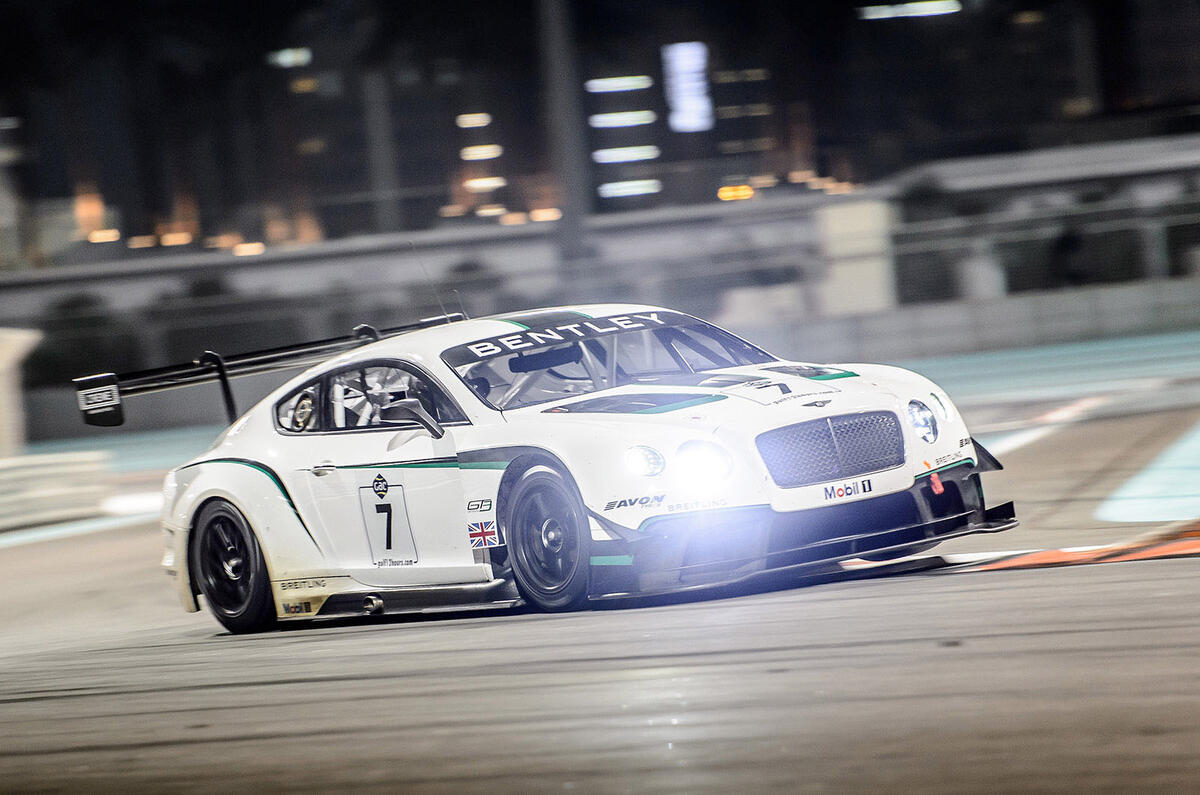
Bentley then got the racing fever and entrants were made in various hill climbs, the 1922 Indianapolis 500 and at Brooklands. In 1924, Bentley took the chequered flag at the 24 Hours of Le Mans and the cars became a huge hit among wealthy British petrolheads. Further Le Mans victories followed from 1927-1930 but the company began to hit financial troubles.
Woolf Barnato, a racing driver, fan of the cars and a member of the ‘Bentley Boys’ helped finance the company, initially injecting £100,000 into the firm and eventually taking full control, leaving WO Bentley an employee and to design new cars.
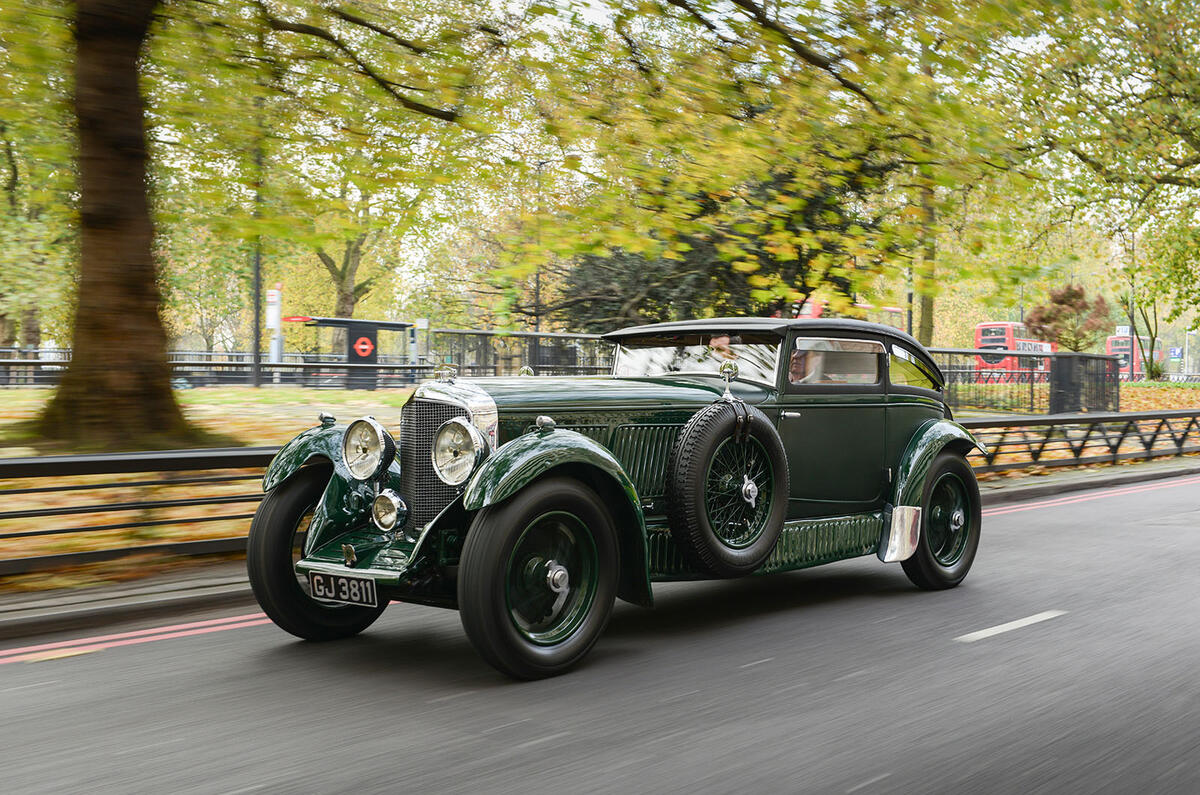
In March 1930, Barnato notoriously had the Rover Light Six in his sights when he bet £100 and raced the Le Train Bleu from Cannes to London via Calais and won in the Bentley Speed Six, paving way for the tail of the infamous Bentley Blue Train story and further cementing the extravagant marque with its racing and GT heritage.