
This week's gossip from the automotive industry has news of Koenigsegg's plans for a four-wheel-drive EV, manual Ferraris, Mazda's dream for the Mazda MX-5, Kia's ambitions and the Renault-Nissan Alliance's aims for Russia.
Koenigsegg's four-wheel-drive EV
Koenigsegg has long-term plans to make a four-wheel-drive EV. Responding to a fan asking why the brand hasn’t made a four-wheel drive car, Koenigsegg replied: “Mechanical 4WD doesn’t make sense for us. Electric 4WD is more likely but not for some time.”
Read more: Koenigsegg One:1 prepares for Nürburgring lap record attempt, Koenigsegg One:1 review
Manual Ferraris are officially dead
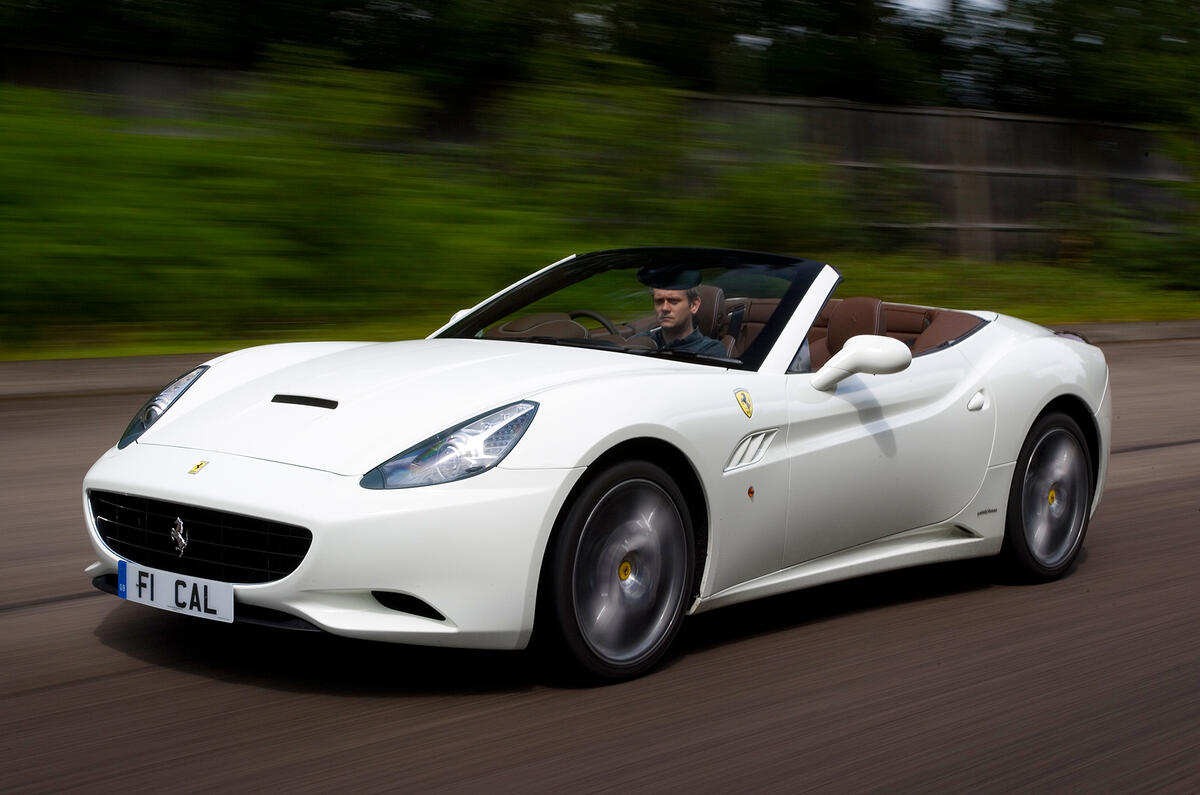
There'll never be another manual Ferrari, even though rival Porsche is reintroducing manual transmissions on high-end Porsche 911s. Sources say the last Ferrari with the option of a manual ’box was the first-gen California, but it’s thought only three to five examples left the factory. “There’s just no demand,” said a spokesman.
Read more: Ferrari California review, One-off Ferrari SP275 RW Competizione makes public appearance
Mazda's dream for the MX-5
Mazda's MX-5 Spyder concept is the “dream” version of the iconic roadster, according to MX-5 programme manager Nobuhiro Yamamoto. One million MX-5s have now been built, 15% of which have made it to the UK.
Read more: Mazda MX-5 review, Mazda to launch electrified cars by 2021
Kia's competition with VW
Kia is aiming high with its market position. Speaking at a recent dealer opening in London, Kia UK CEO Paul Philpott said Kia was “comfortable” with the showroom’s neighbouring Volkswagen, Mercedes and Audi dealerships. Another source at the event said Kia was “competing with VW on quality but not price”.
Read more: Kia GT will hit 0-62mph in 5.1secs, Meeting Peter Schreyer - the man behind Kia's tiger nose grille
Renault-Nissan Alliance's aims for Russia
The Renault-Nissan Alliance hopes to dominate new car sales in Russia when the country’s economy bounces back. With Renault, Nissan, Datsun and Lada brands in Russian showrooms, sources say the group could take more than 40% of sales in that country annually.