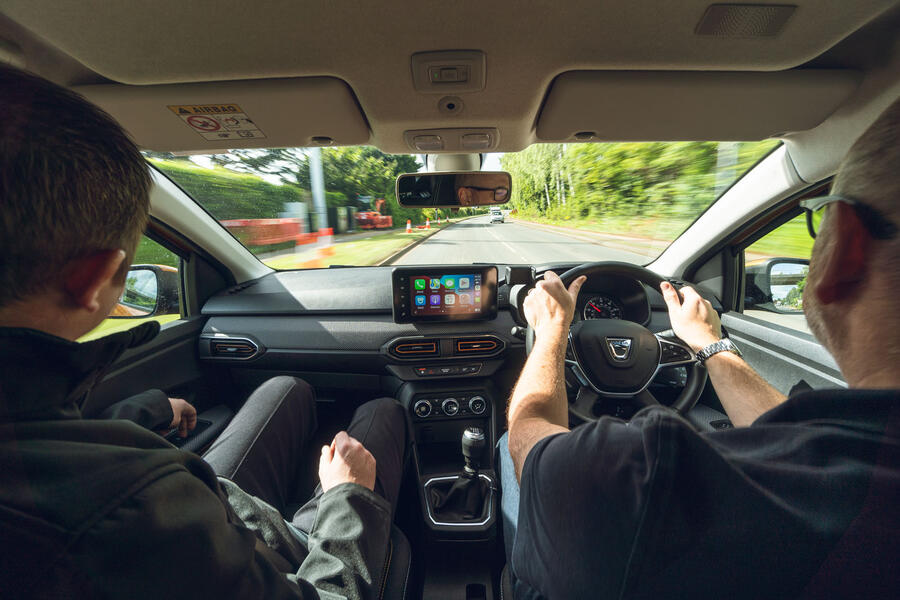
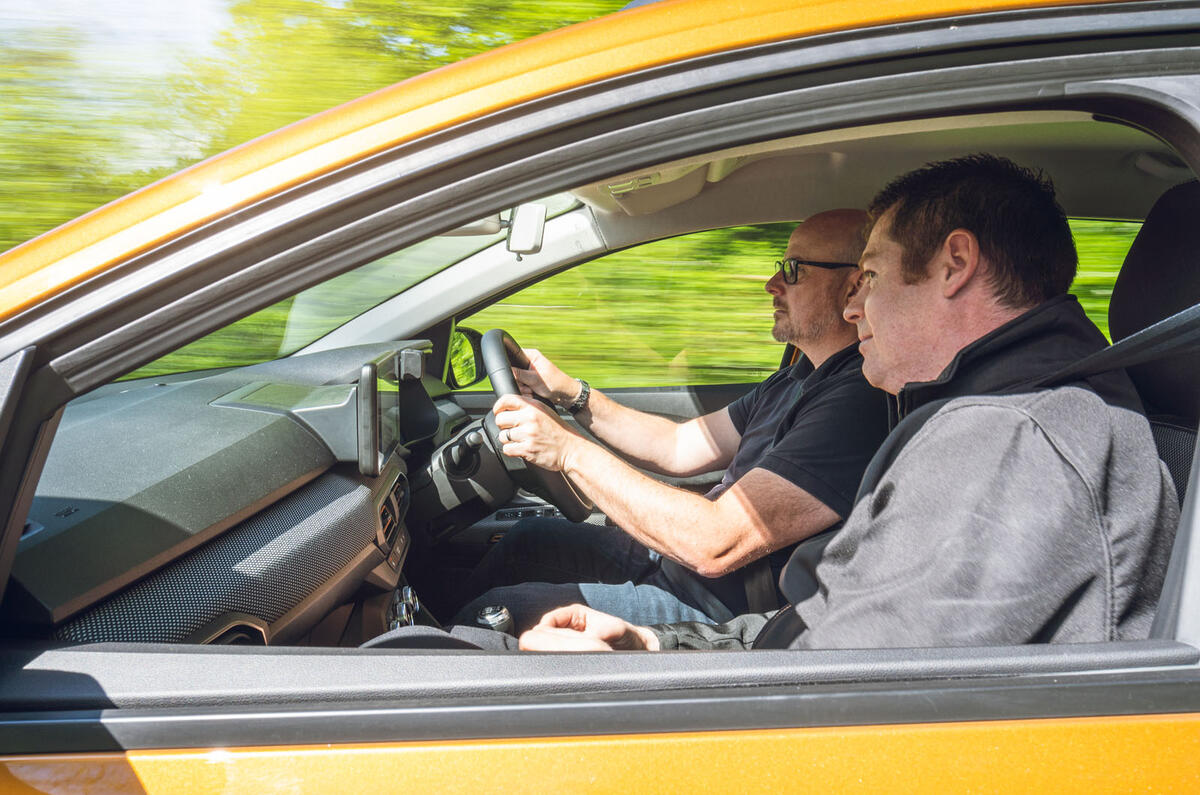
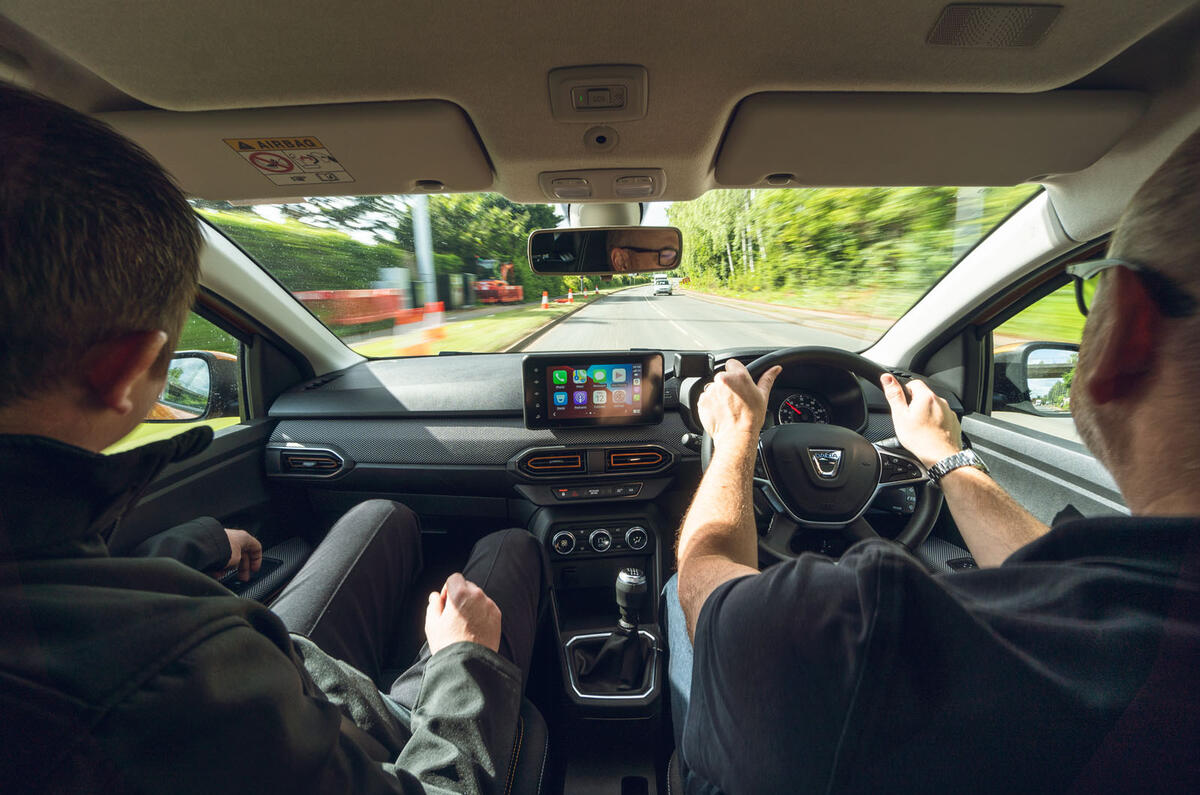








The trip computer is saying 60.4mpg and I’m astonished. “That’s not an unusual improvement,” says Evan Morris, from Red Driver Training, adding: “typically we see savings of around 11% or so but I’ve seen as much as 50%.”
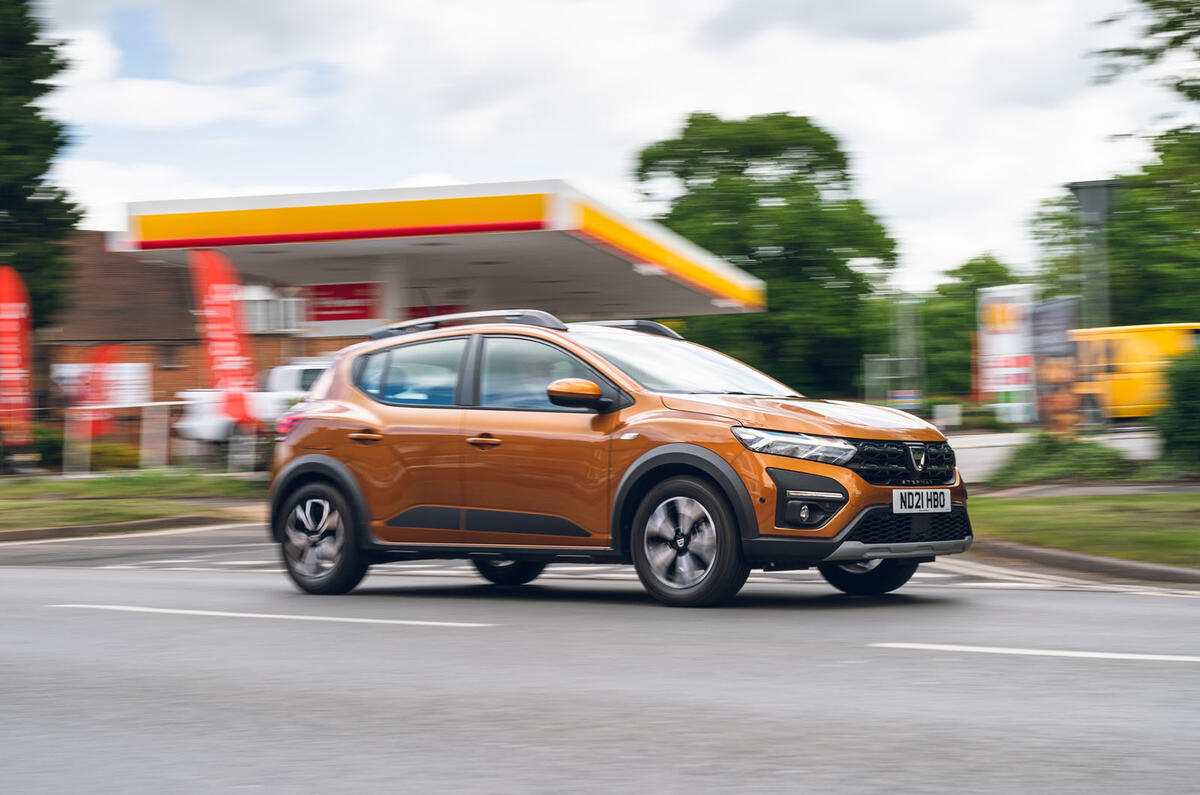
That’s a full 10mpg more than the 50.4mpg official WLTP figure for the Dacia Sandero Stepway, a car which I’m driving currently because it fits in nicely with the cost-of-living crisis zeitgeist.
Morris has just schooled me using Red's Fuelsave techniques, which are all about squeezing as much potential out of every precious drop of the ever more expensive fuel that we’re all painfully filling our tanks with.
Over the previous weeks, the Sandero’s average consumption has been around 42mpg, with longer runs pushing that up slightly. Morris is convinced that it can do better. Significantly better.
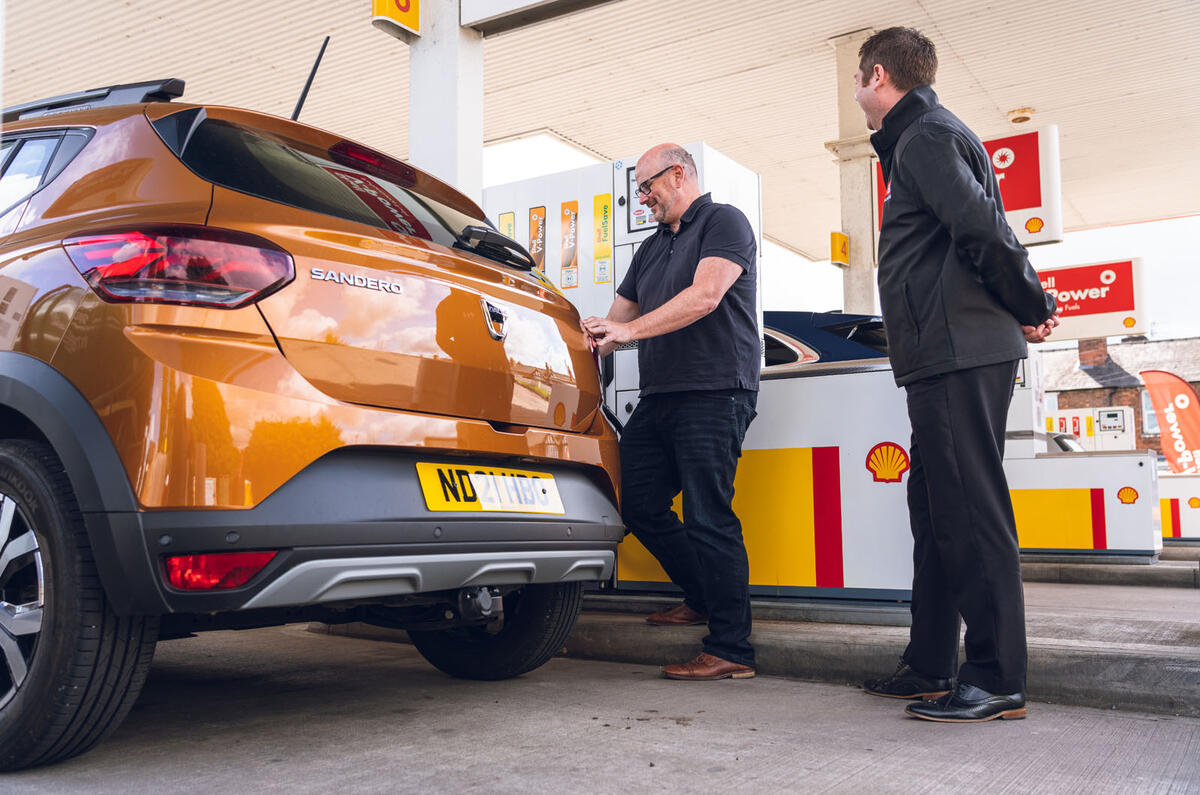
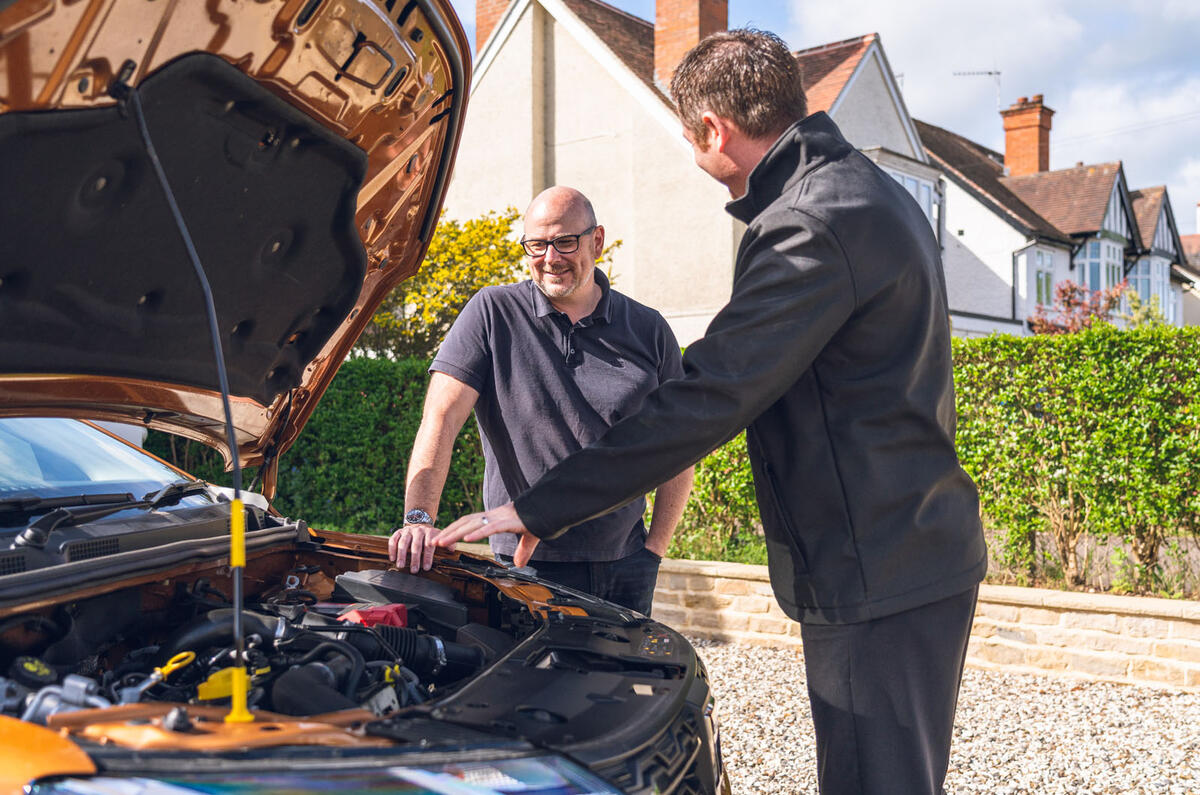
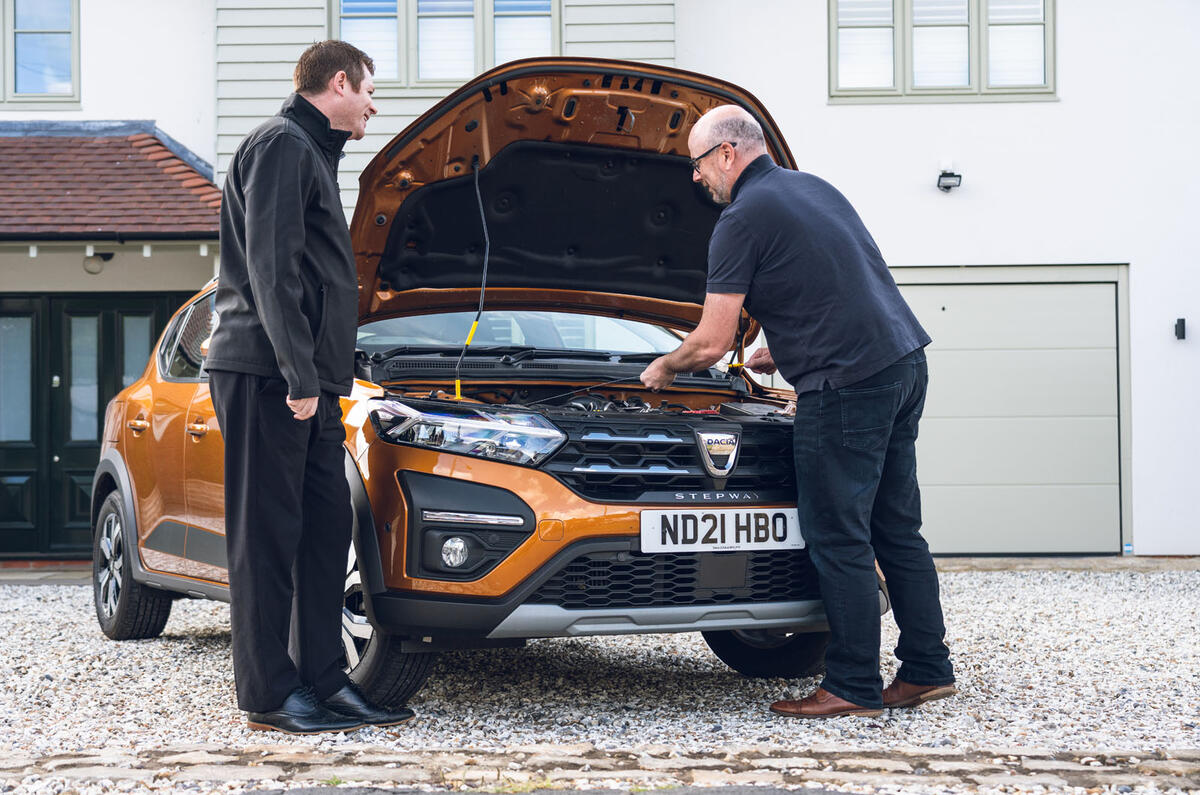
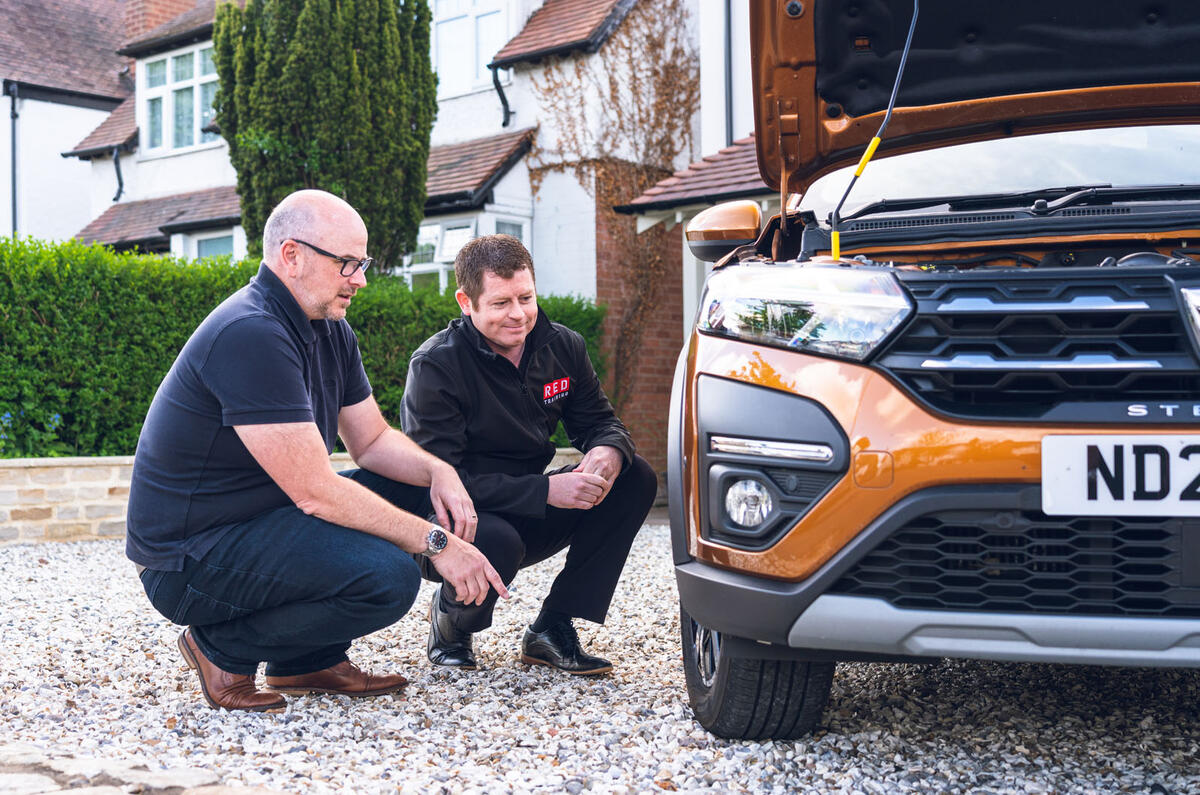
Before we set off, we have a quick look around the car, checking tyre pressures – every fifth tank of fuel used is entirely down to tyre rolling resistance, so every PSI counts – and having a peek at the dipstick.
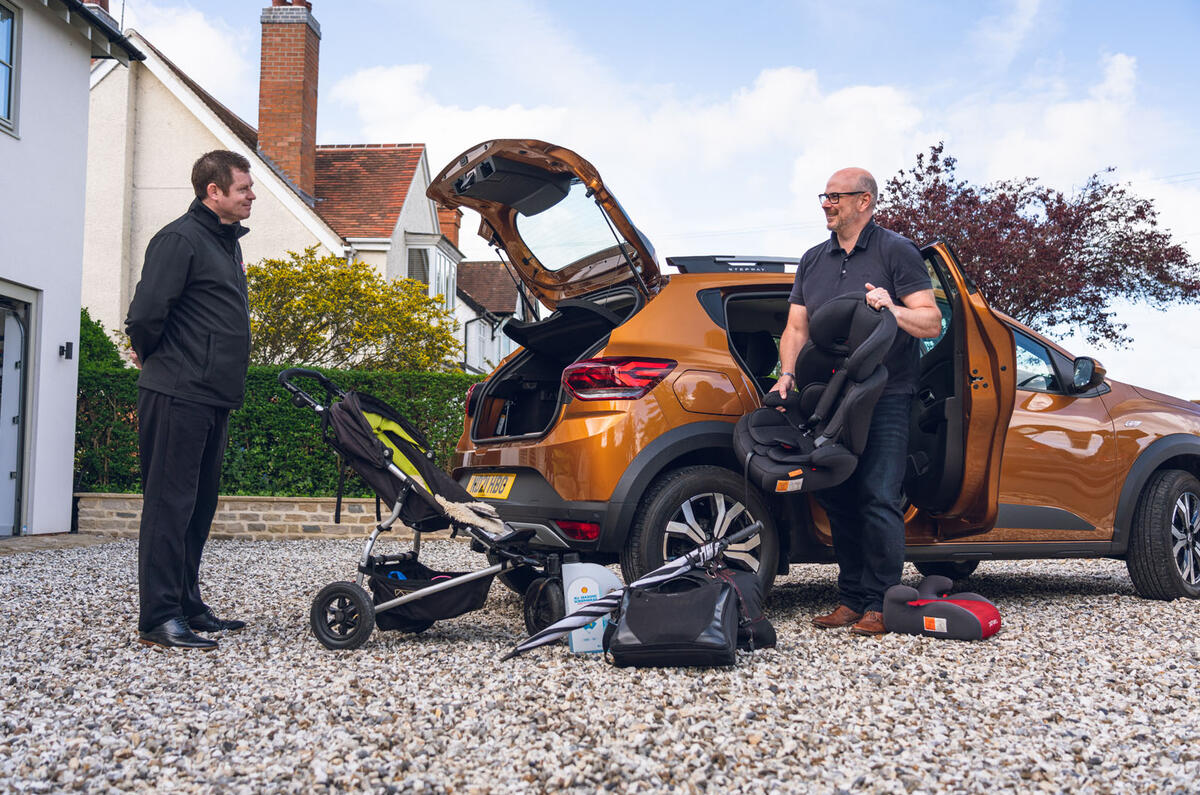
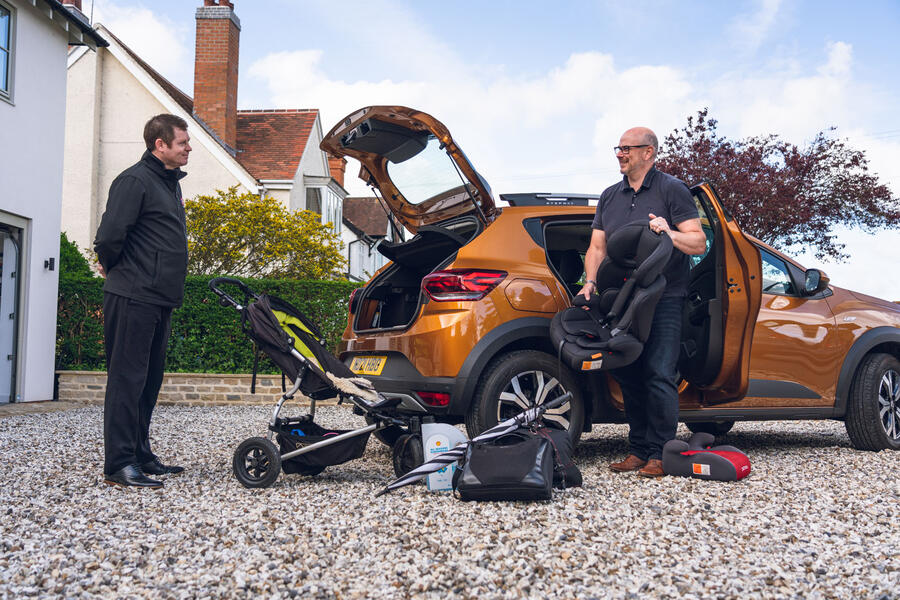
We also chucked out unnecessary weight that has been forgotten and left in the boot, weight again being detrimental to economy.
If I had a bike carrier or cargo box on the Stepway’s roof rails, I would be removing them, too, because they’re perfectly placed to create drag. Laziness here costs you handsomely come filling time.
Morris is quick to note the small details when we get in – things like starting the engine before putting on seatbelts, every second the engine’s running equating to fuel used. Put your seatbelts on before you’ve started it, then, likewise putting a destination into the sat-nav, changing the radio station or picking a favourite podcast. Small changes in habit help improve your MPG.