
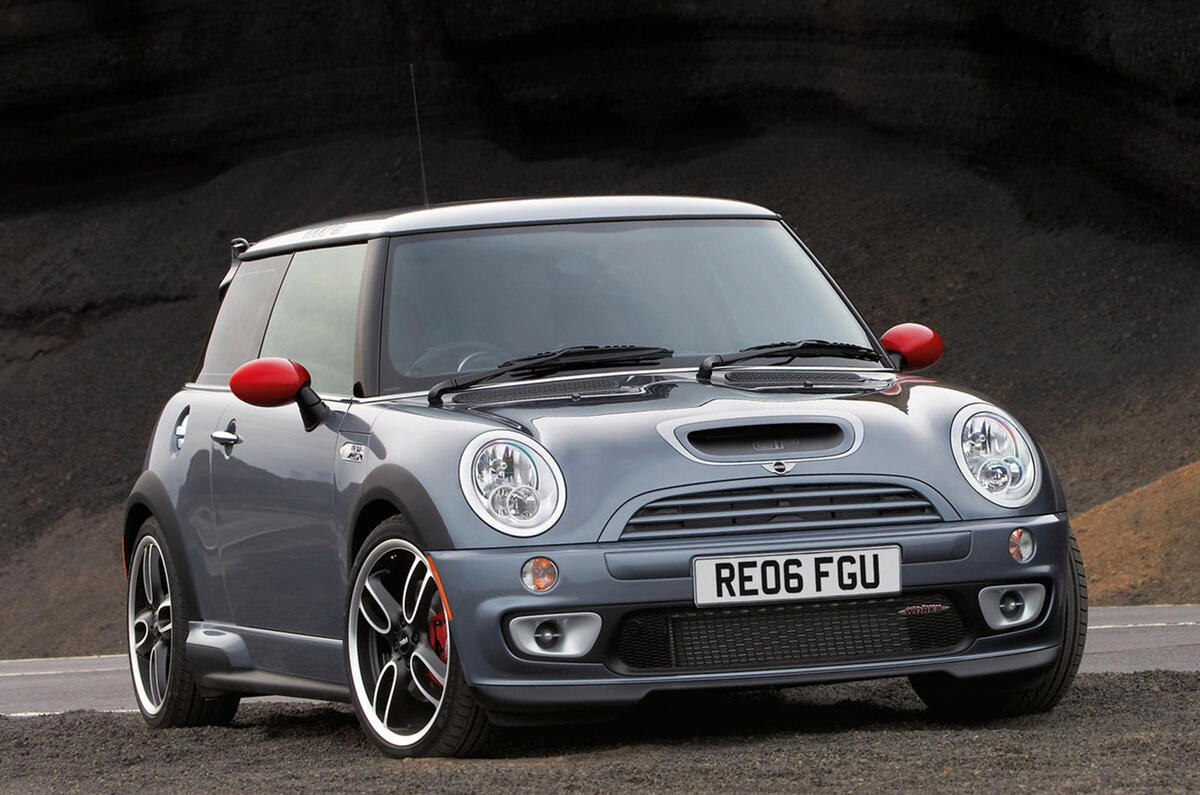
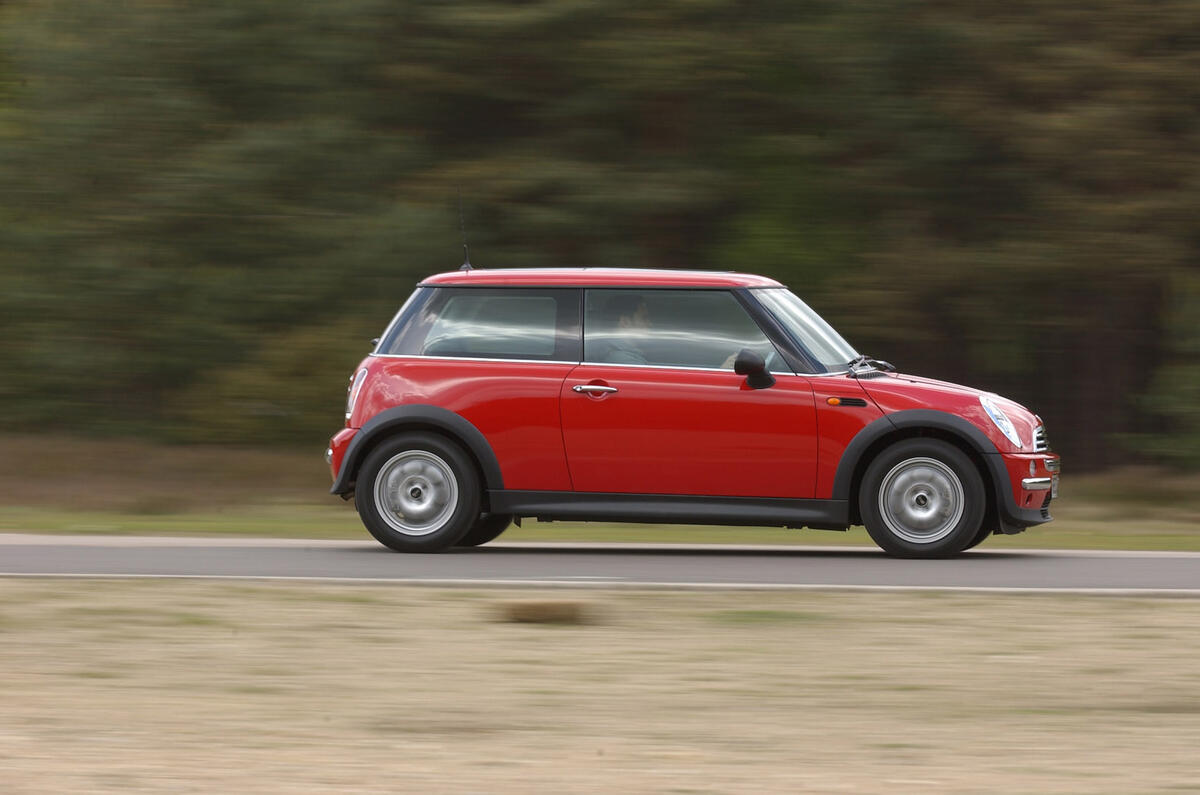
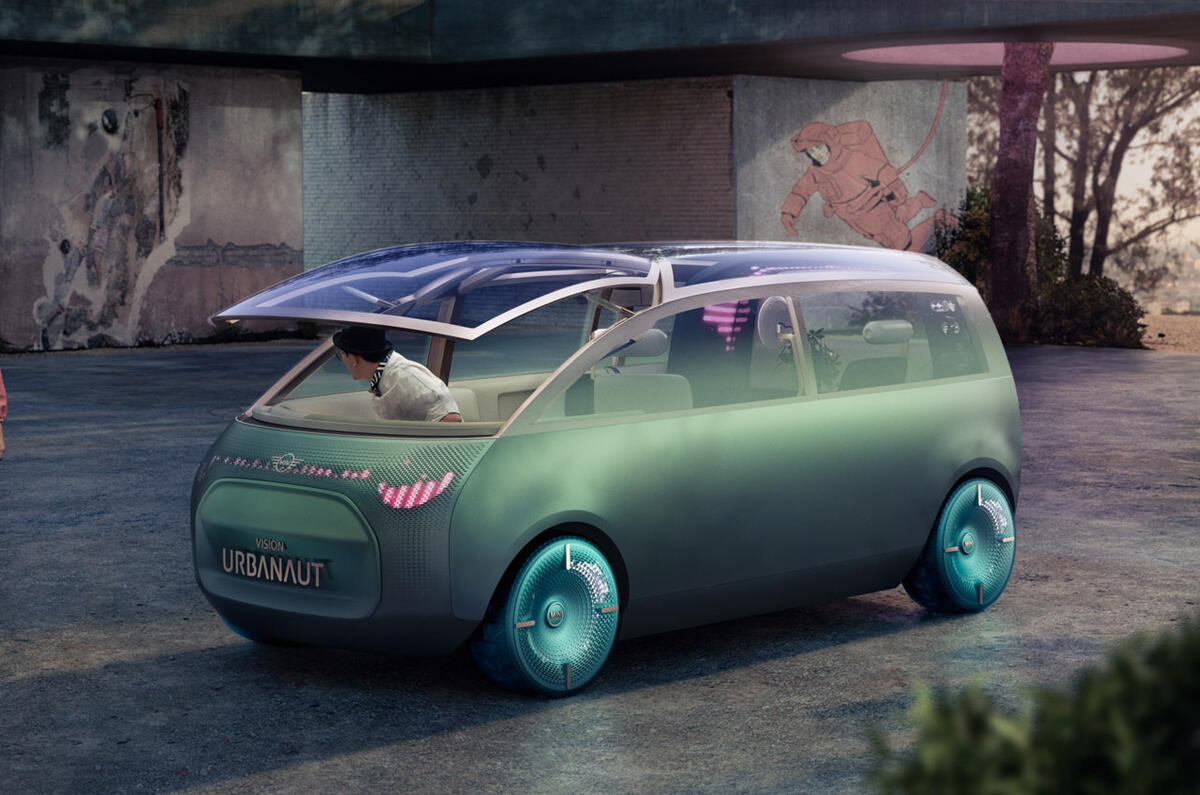
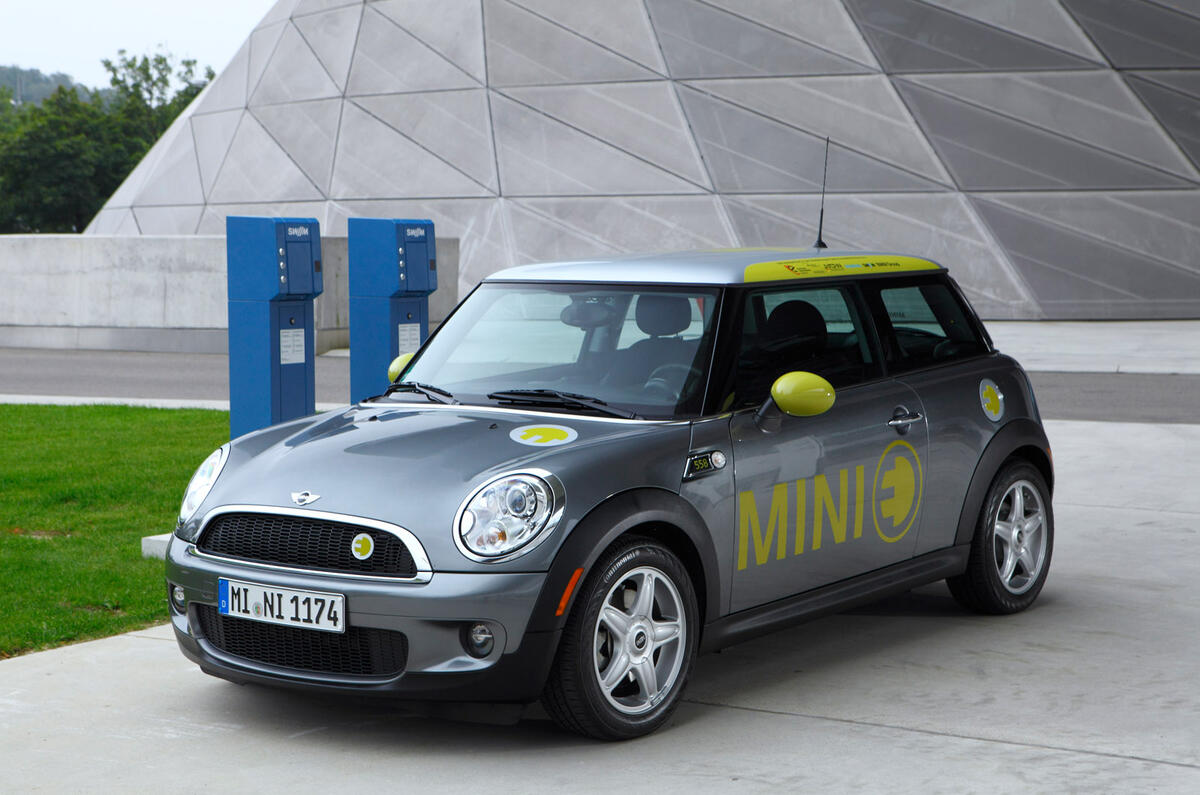
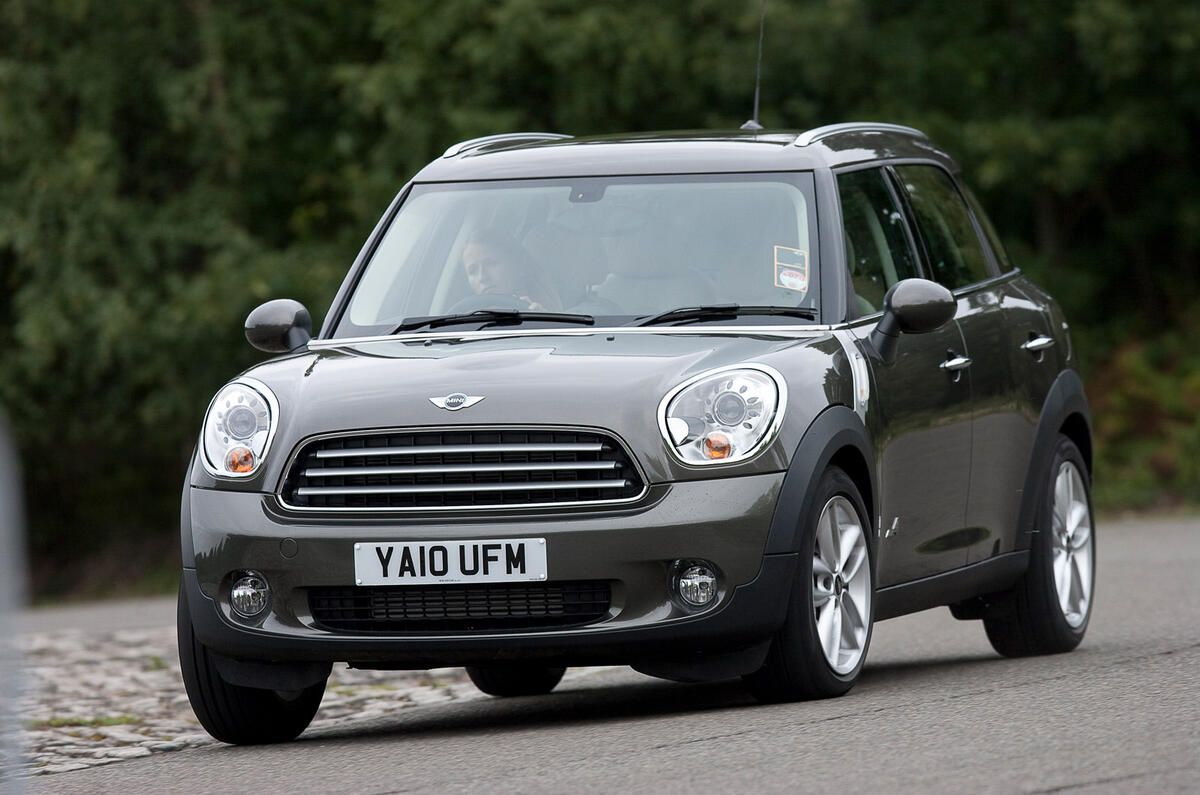
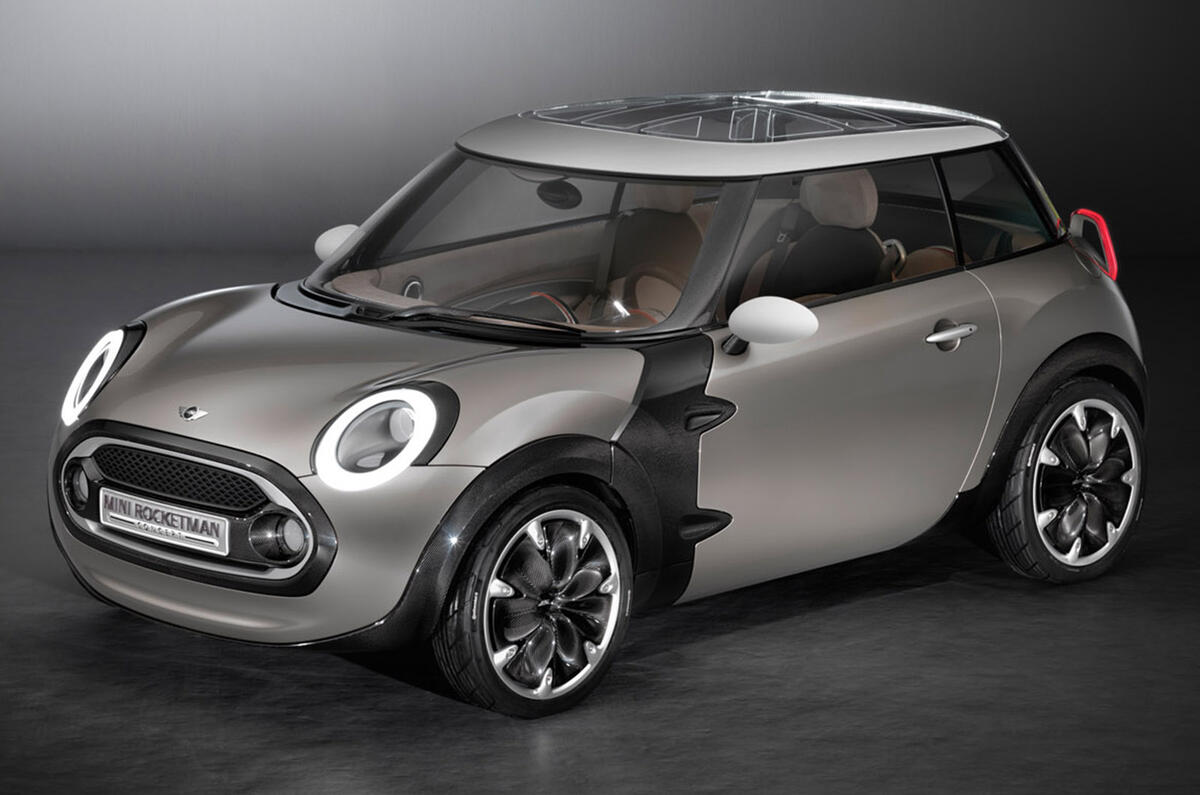










It takes just a short hour on a group call with employees at Mini Oxford for us to get a very strong sense of just how unique the Mini brand remains, even though it’s part of a huge corporate company in the BMW Group.
Talking to people who have been part of the reinvention of the brand over more than 20 years, it’s a surprise to hear tales of experimentation, can-do engineering and production and a remarkable freedom to find its own way.
For the first 14 years of its second life, Mini was a kind of boutique operation, making a lot out of not very much, with engineering work executed by outside contractors and the design team based in a small studio in Munich.
As veteran Mini public relations boss Andreas Lampka tells me, the Mini should “never be comparable [to other cars on the market]; we’re happy to be in a niche”. It’s a niche that Lampka insists remains healthily profitable, thanks to strong residual values and customers happy to wait for custom-specification cars from the factory.

By some margin, the veteran of the roundtable assembled by Mini Oxford is Mick Fisher, the longest-serving employee at the factory. He started his apprenticeship at Longbridge in 1967, around the time of the disastrous creation of British Leyland. Indeed, when he joined Austin, the original Mini was just eight years old.
After working on the installation of the Mini Metro at Longbridge, Fisher moved to Oxford to work on the installation of the Austin Maestro and Montego production lines ahead of those cars’ 1982 and 1984 launches – and he’s still there.
The roots of the new Mini project go quite some way back. Twenty-seven years back, in fact, when a small, conservative car maker from Germany bought the Rover Group from British Aerospace (BAe). The automotive world was aghast.