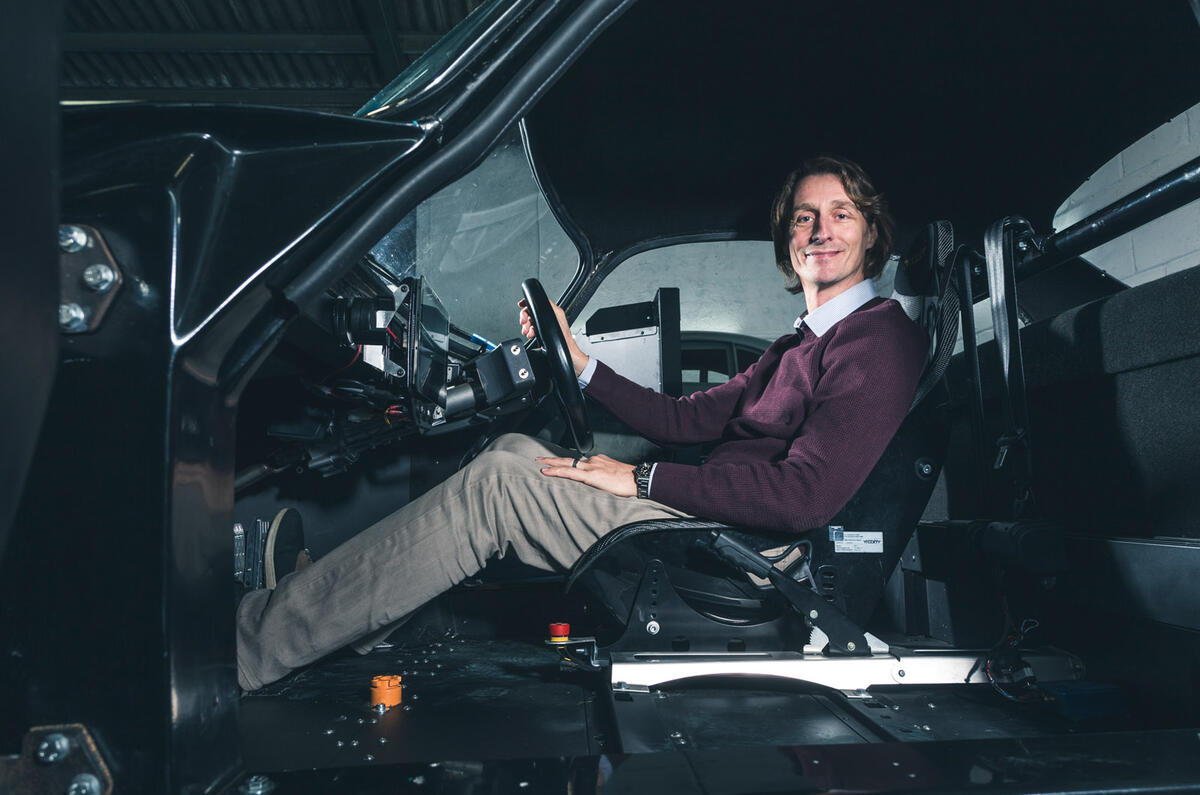
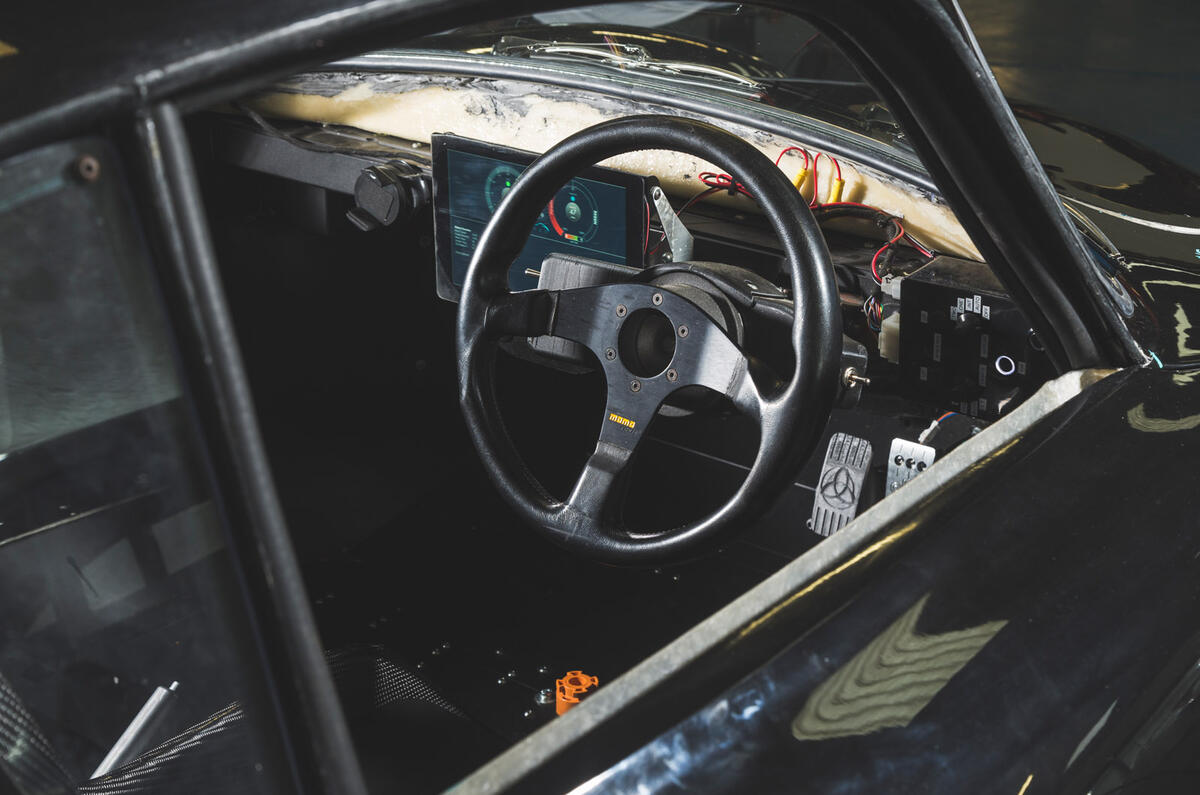
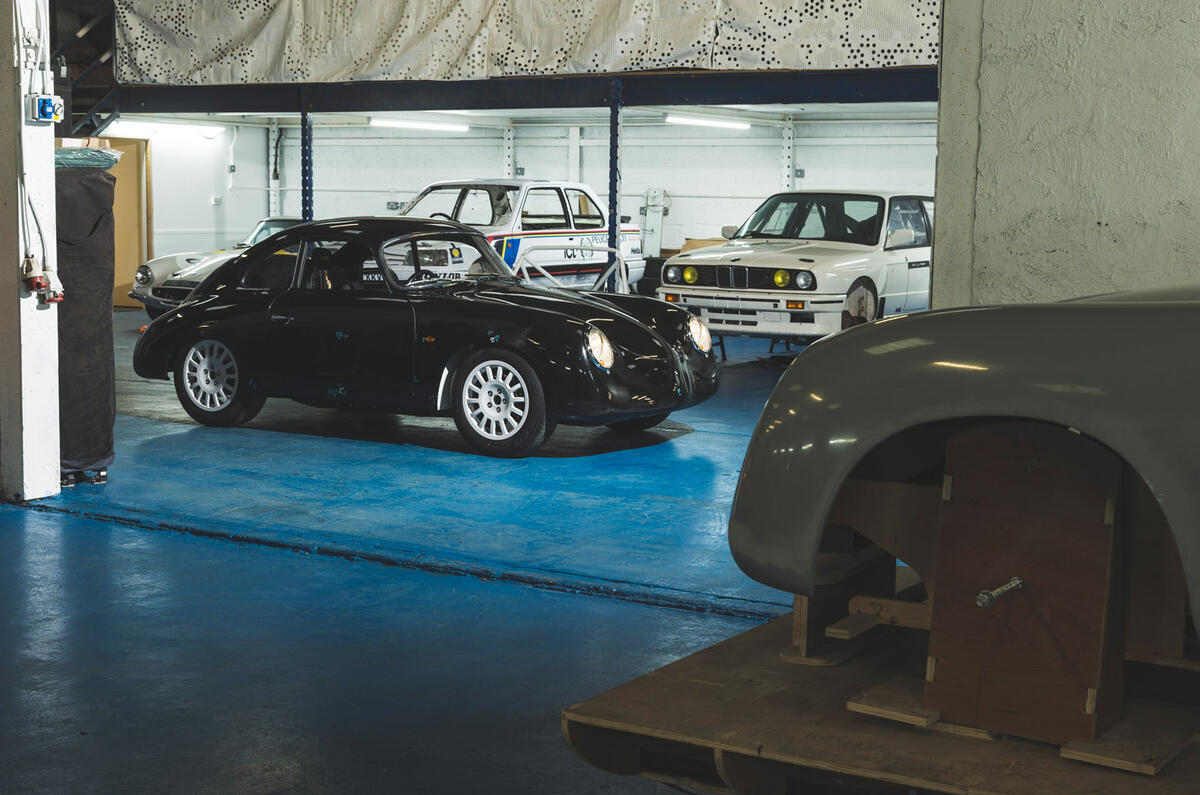
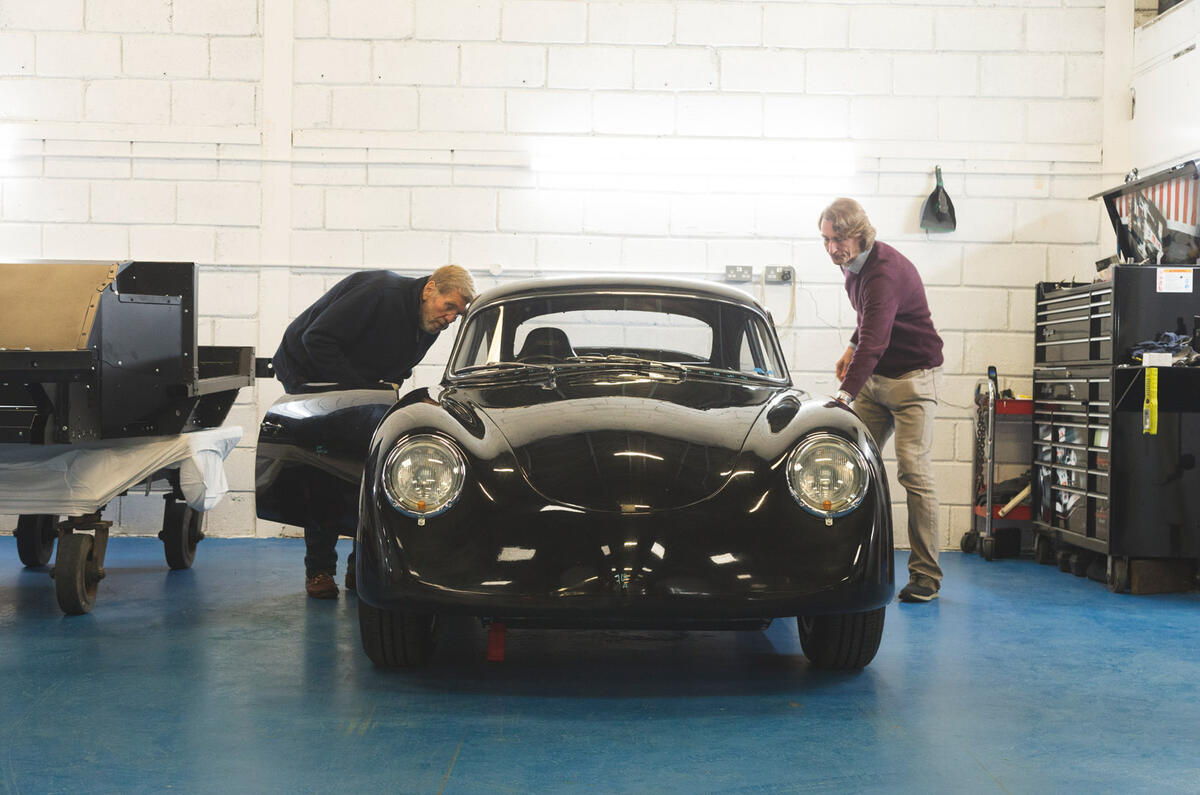









The UK’s unique low-volume car business could be heading for trouble as the 2030 electric car revolution gains momentum – unless it rapidly changes course. So says ace niche vehicle engineer Neil Yates, who has been concerned about the industry’s future for the best part of a decade, but believes he has an important lifeline to offer.
Until now, Yates has been best known for Rally Prep, the Newquay-based competition car business he launched in 2011 to build and prepare rally cars for customers all over Europe. But Yates has also built cars of his own design in a varied career and is a keenly sought consultant on R&D projects for high-tech UK firms like Ariel and Delta Motorsport, so his finger is on the industry’s pulse.
The basis for Yates’s concern is rapidly becoming clear to all: huge electrification changes are coming to all cars by 2030, but the niche industry’s ultra-low sales volumes mean most participants don’t have spare funds to invest in their medium-term future. Covid hasn’t helped: car makers are so busy finding orders to sustain their businesses in the immediate future that they simply can’t yet focus on the cars they’ll build by 2030.
But the pressure is about to ramp up, says Yates: “Well before the end of this decade, low-volume manufacturers will need new products for a new market, using new technologies and dealing with a new supplier group. Almost nothing, except perhaps the exterior shapes of more traditional vehicles, will be the same.”

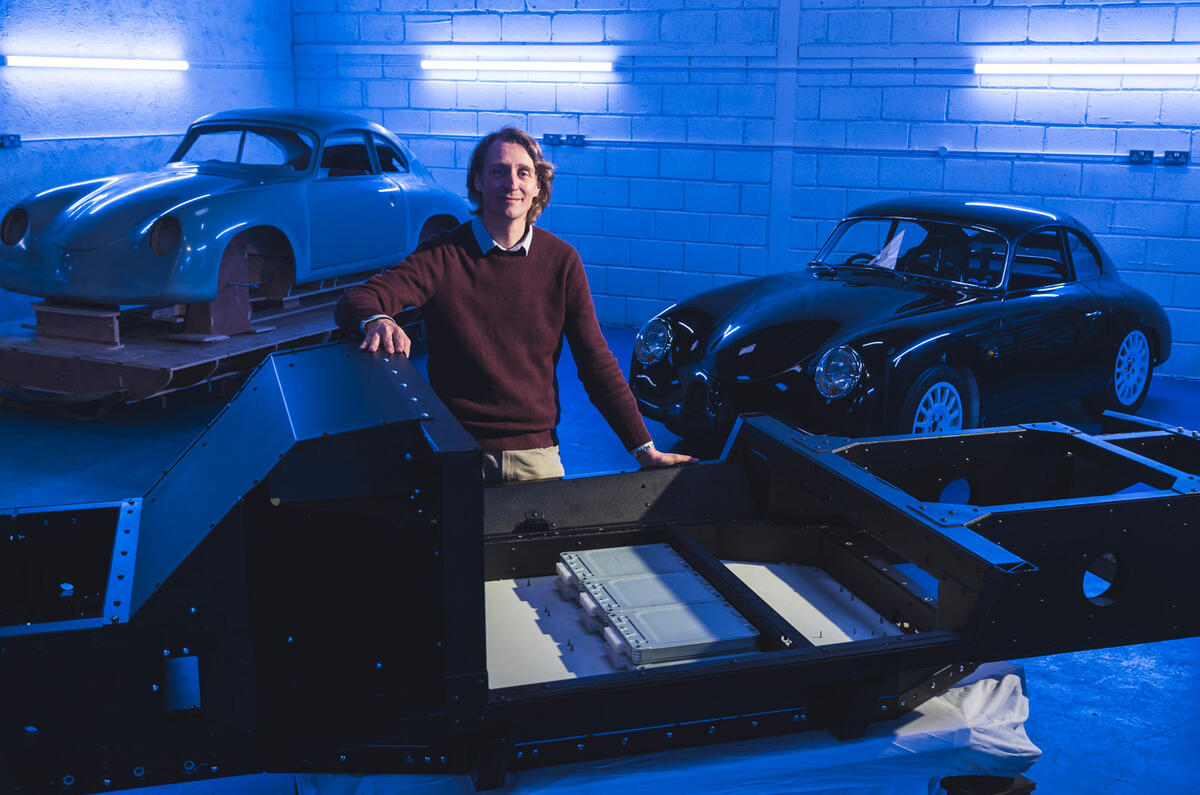
Yates believes he has a solution: a highly flexible chassis concept that’s configurable in so many ways that it can be used for almost any kind of electric or hybrid vehicle from quadricycle to bus. It’s a classic EV skateboard – a rigid, self-jigging aluminium platform chassis with an innovative integral battery enclosure that complies with all relevant ISO standards, meets current small-series crash legislation and can be made with relatively simple techniques and equipment.