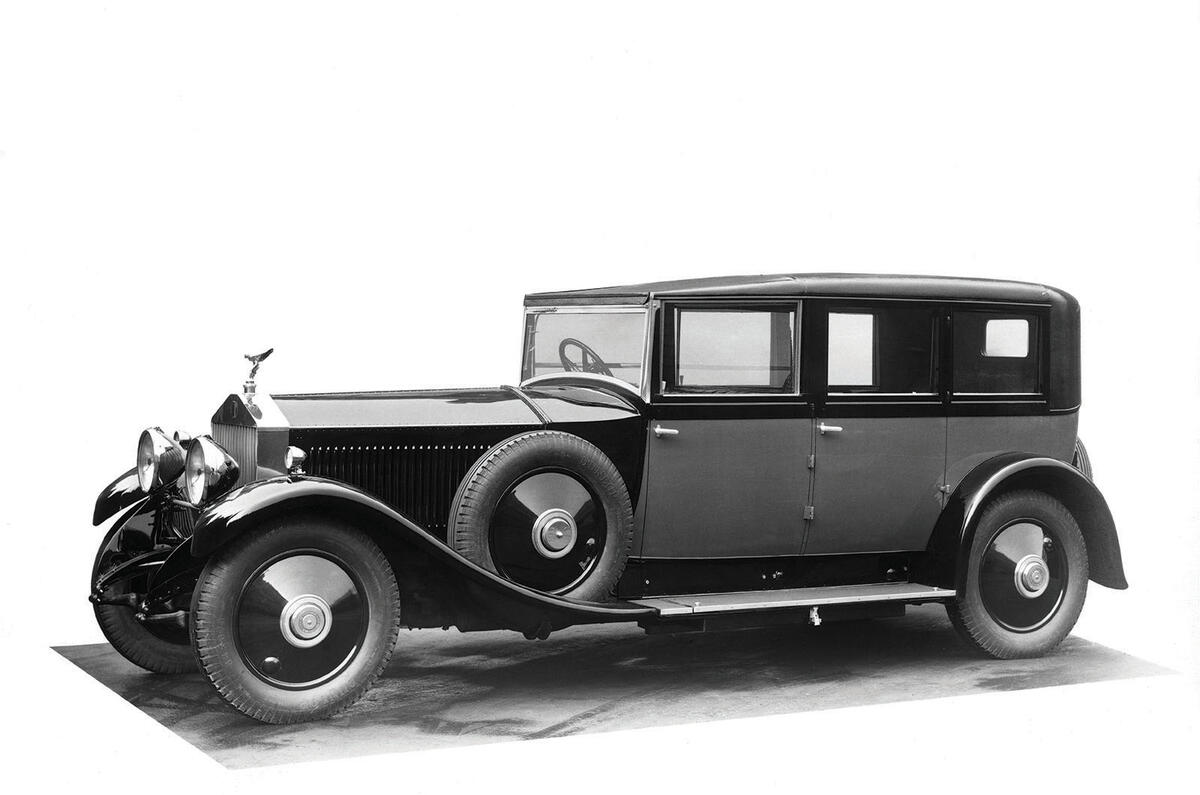
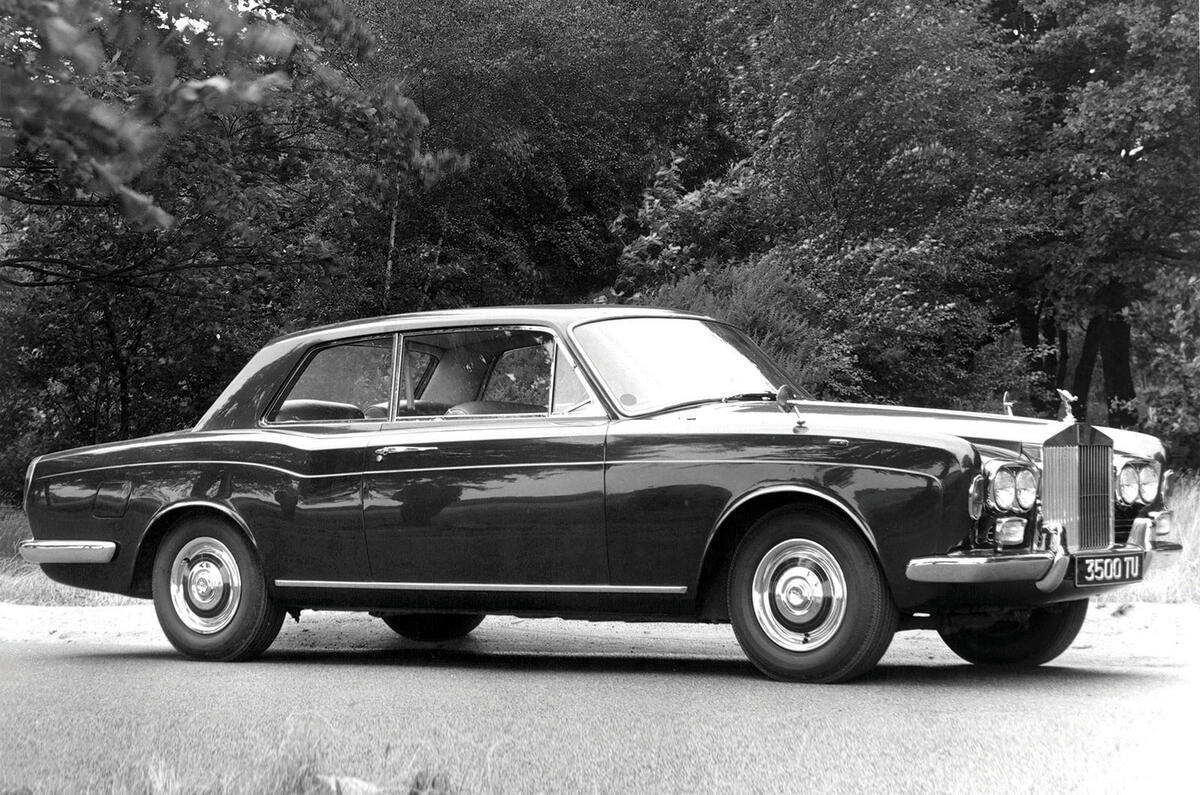
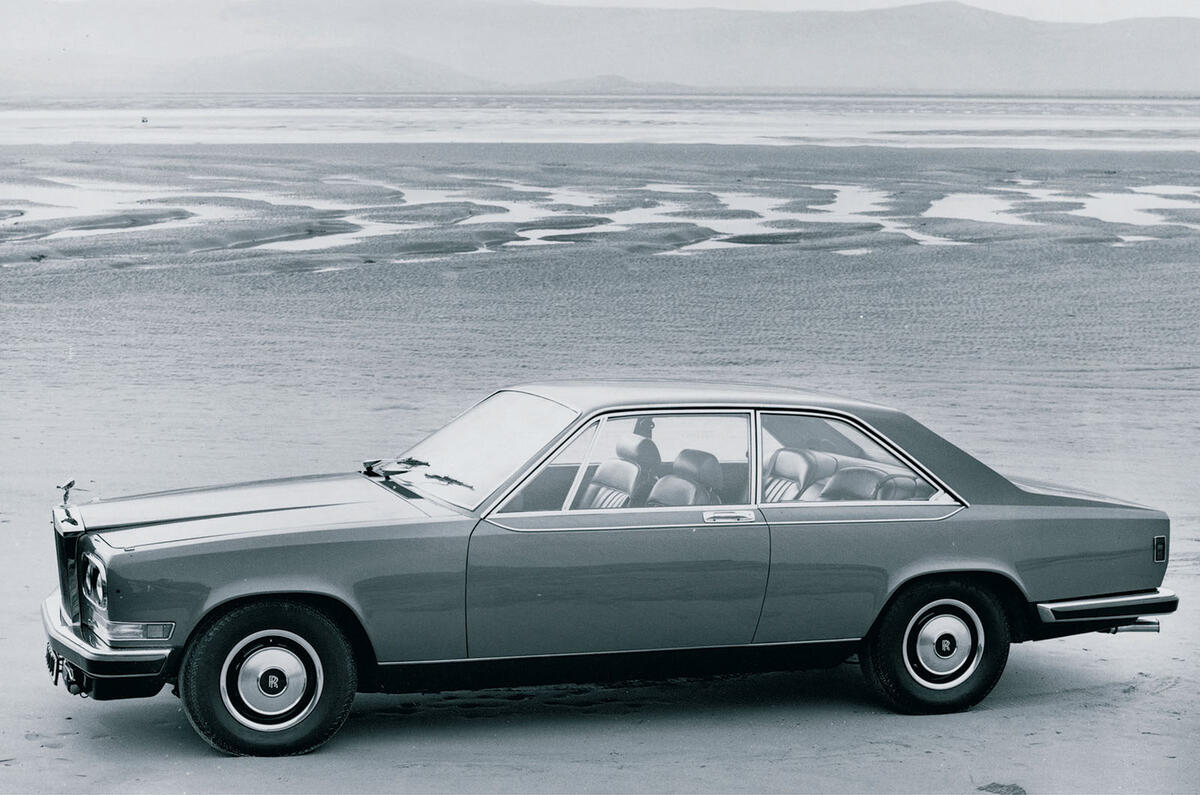
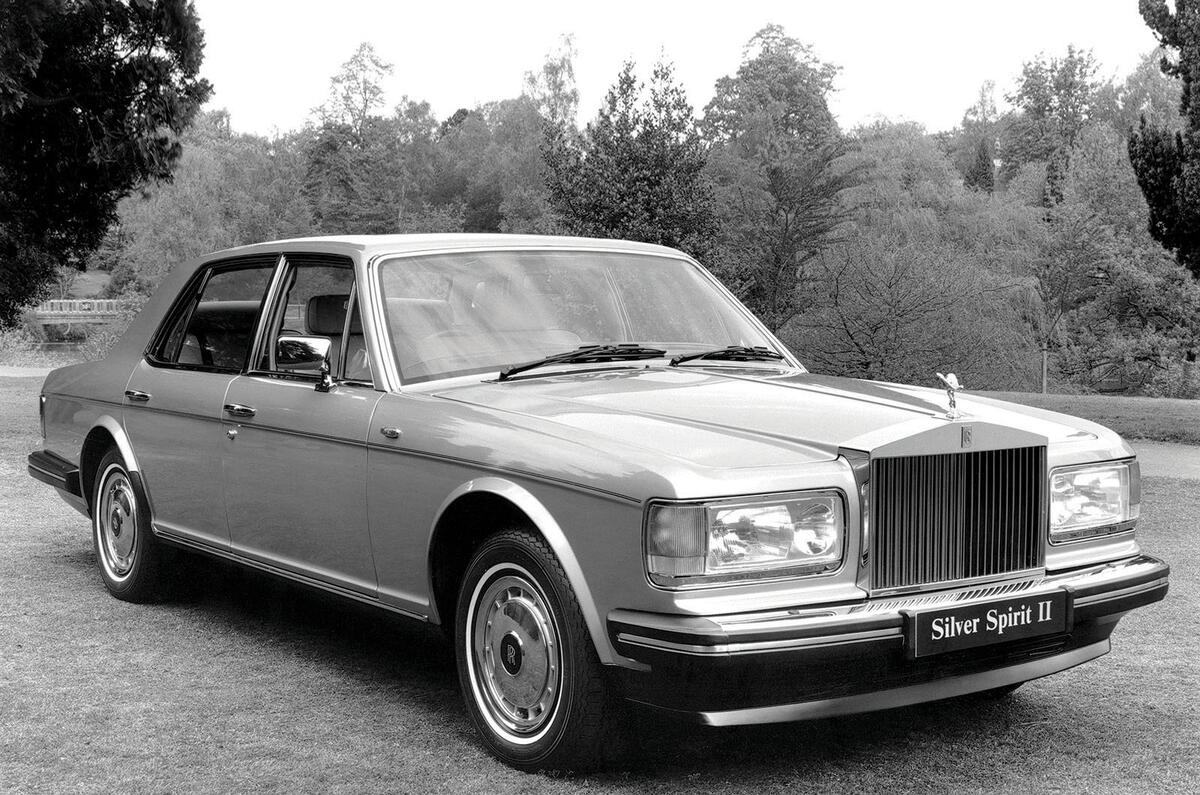
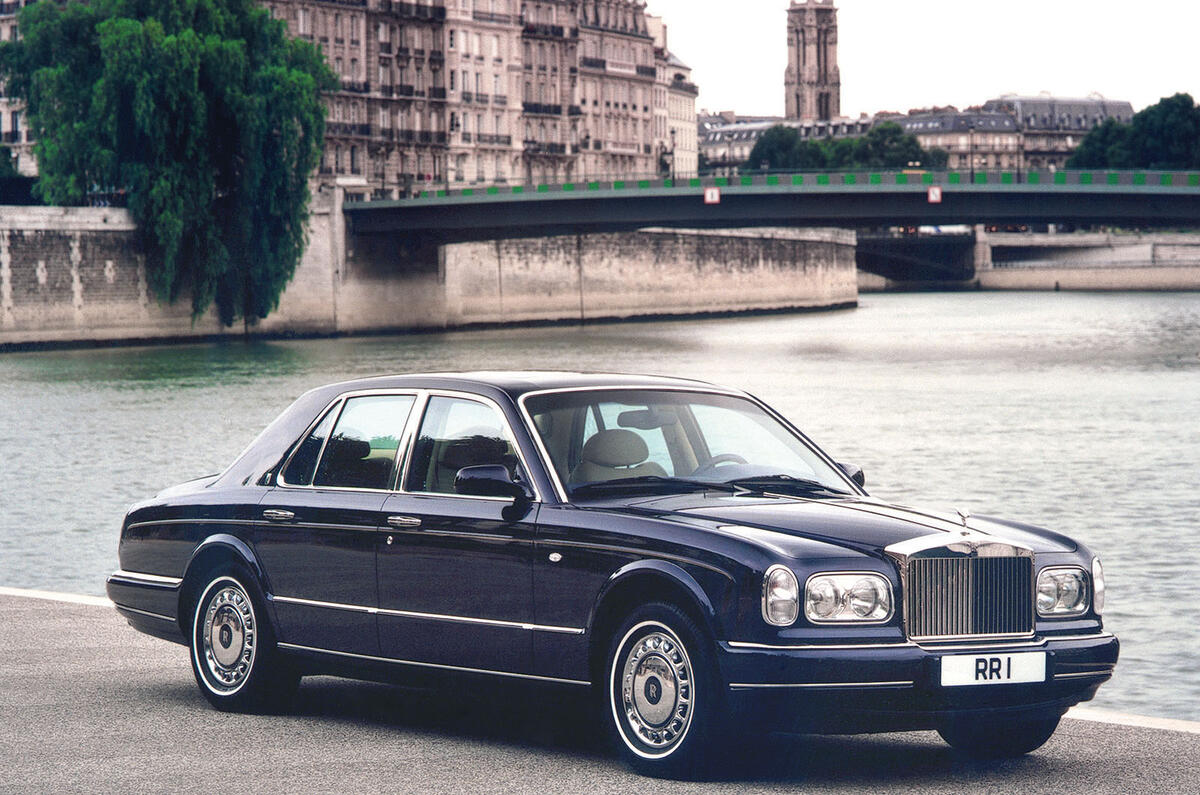
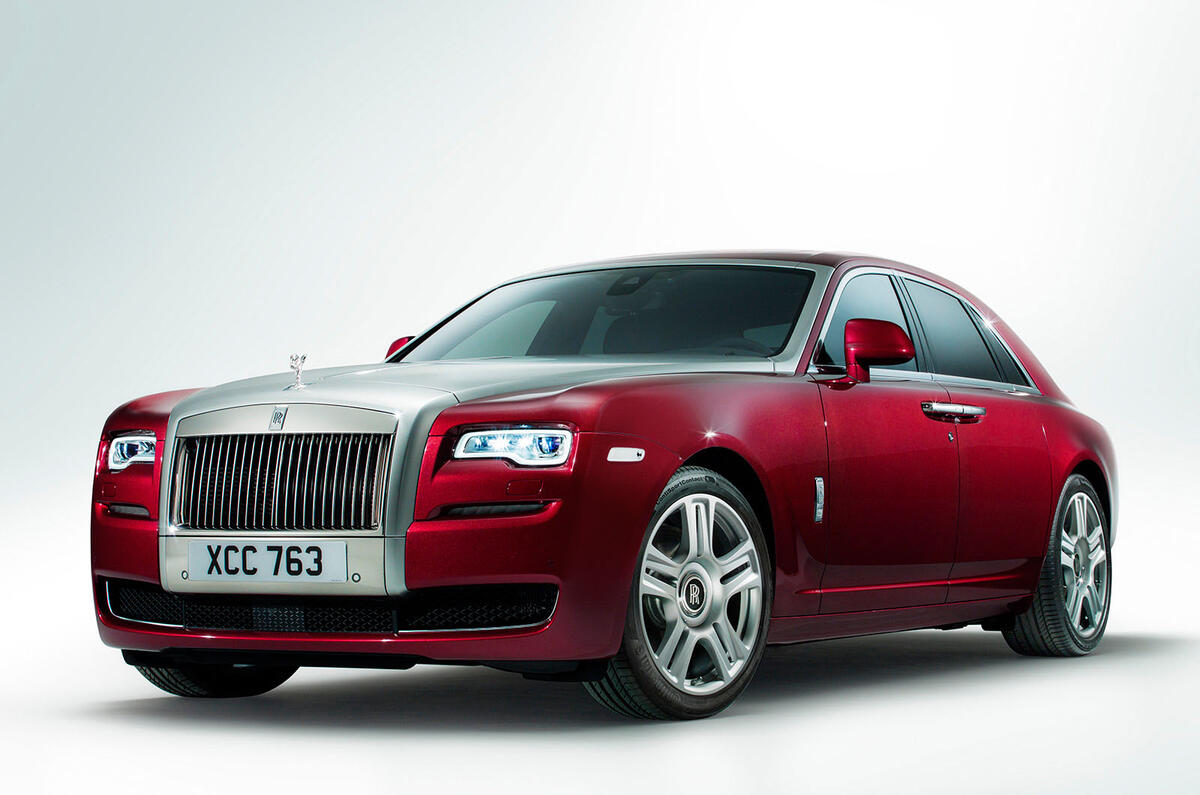
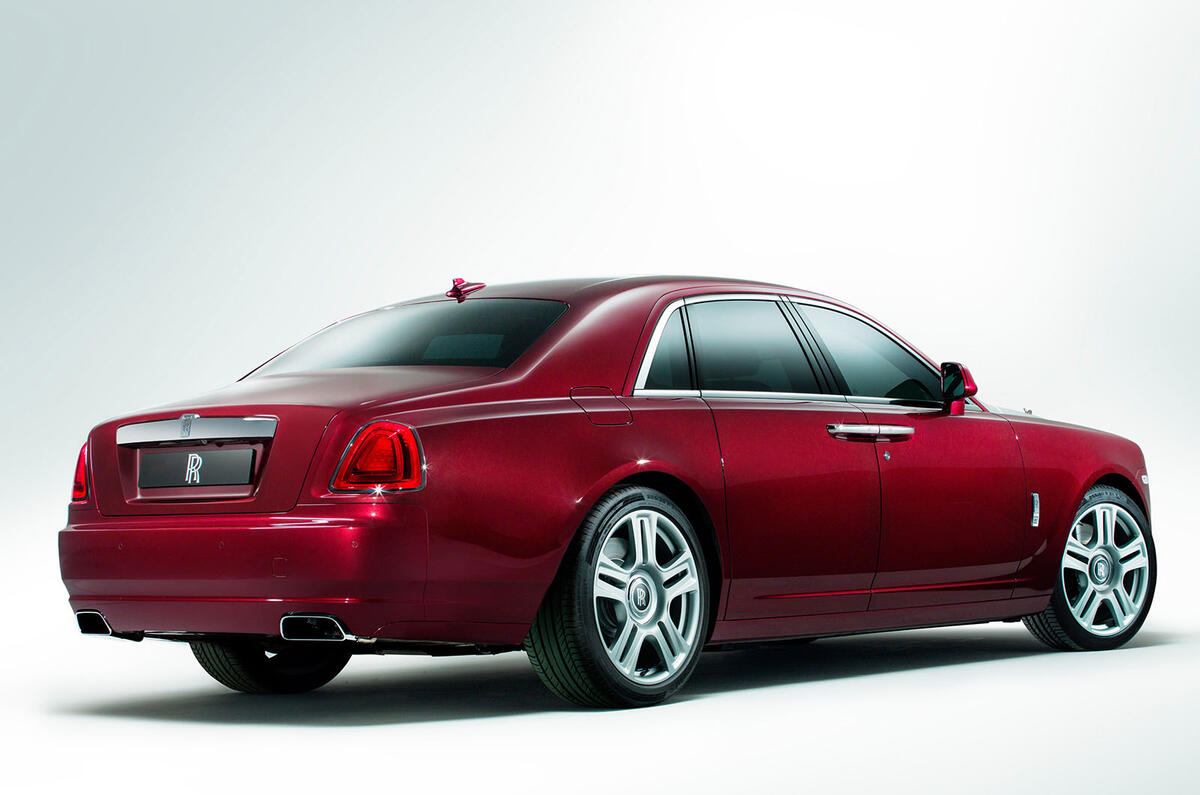
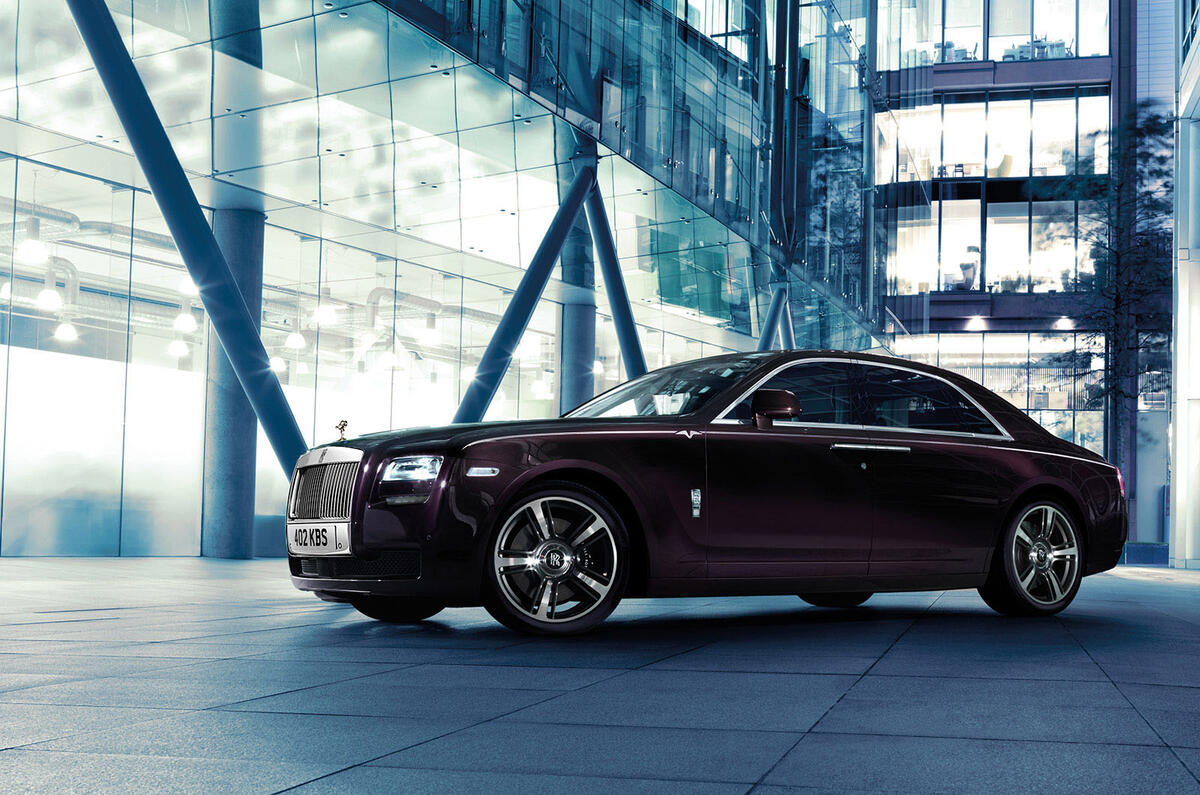
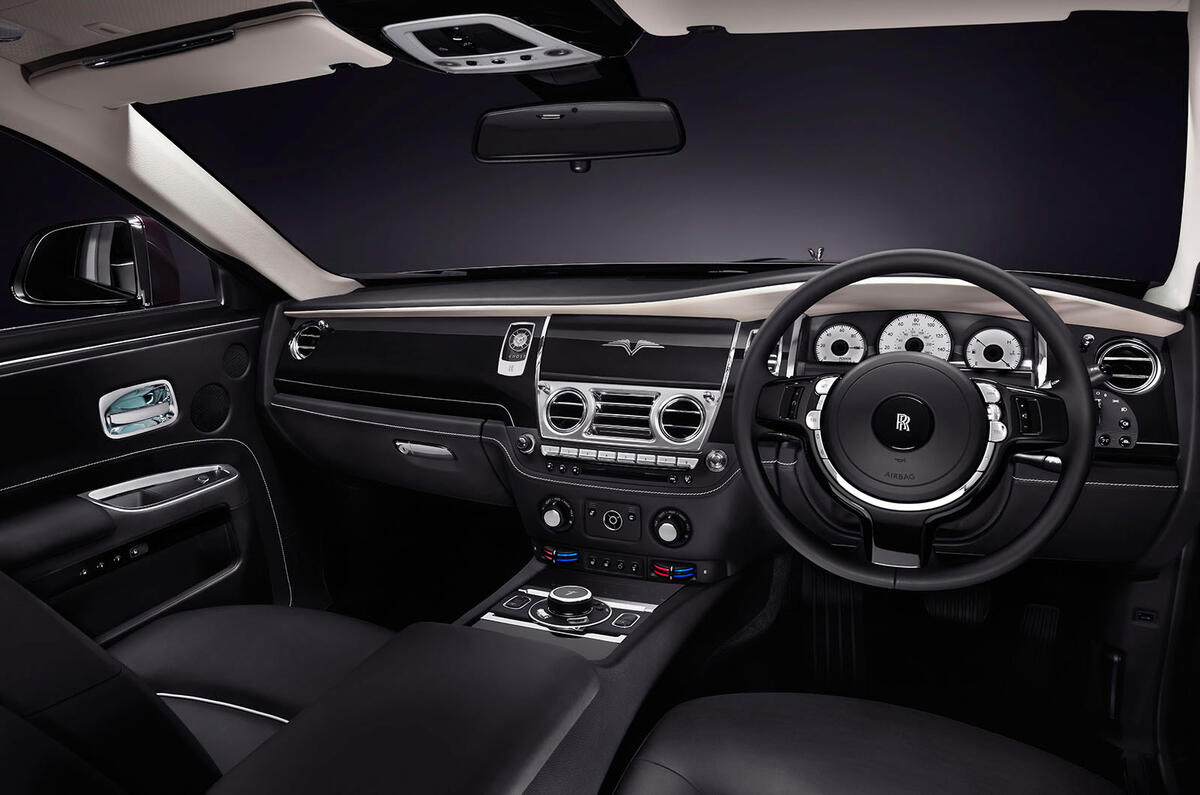
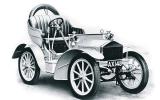
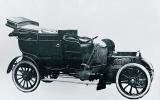
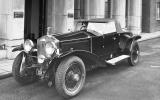
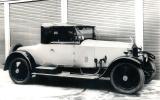
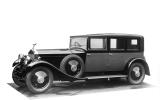
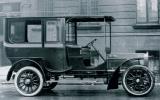
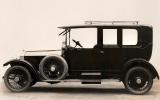
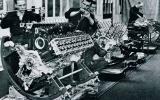
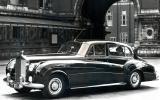
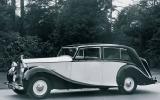
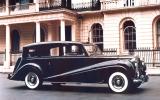
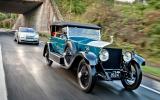
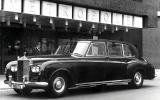
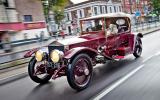
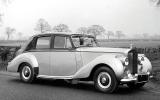
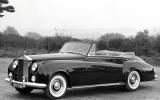
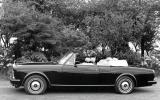
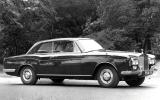
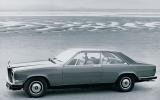
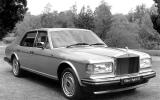
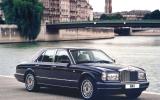
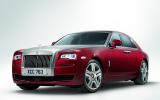
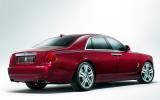
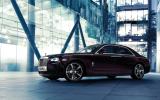
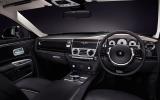
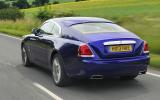
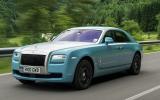
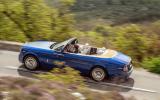

For many car enthusiasts, Rolls-Royce is the last name in extravagance, refinement and sublime craftsmanship bestowed upon a motor car – regardless of price.
The Spirit of Ecstasy emblem and its modern double-R derivative are as synonymous with the luxury car firm as the three-pointed star is to Mercedes-Benz and the prancing horse is to Ferrari. But where did it all begin?
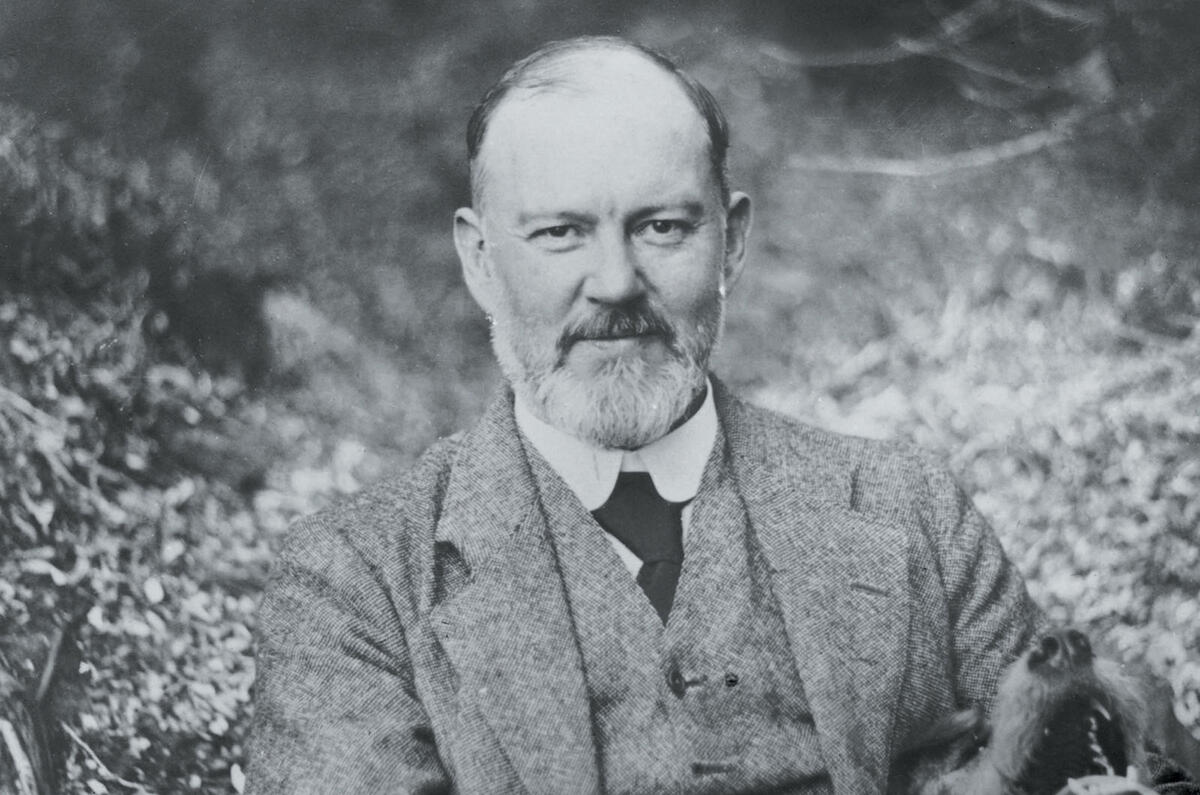
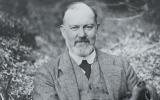
Back in May 1904, part-time racing driver and car dealer, Charles Rolls, and a talented engineer by the name of Frederick Henry Royce met over a spot of lunch. The two men were impressed with each other’s ideas for a new motor car company and a business agreement was made there and then.
In 1906 the partnership was officially formalised - creating Rolls-Royce Limited. It had the ingredients for a dream combination; Royce appointed chief engineer and works director, providing technical expertise to Rolls’s business astuteness and financial backing.
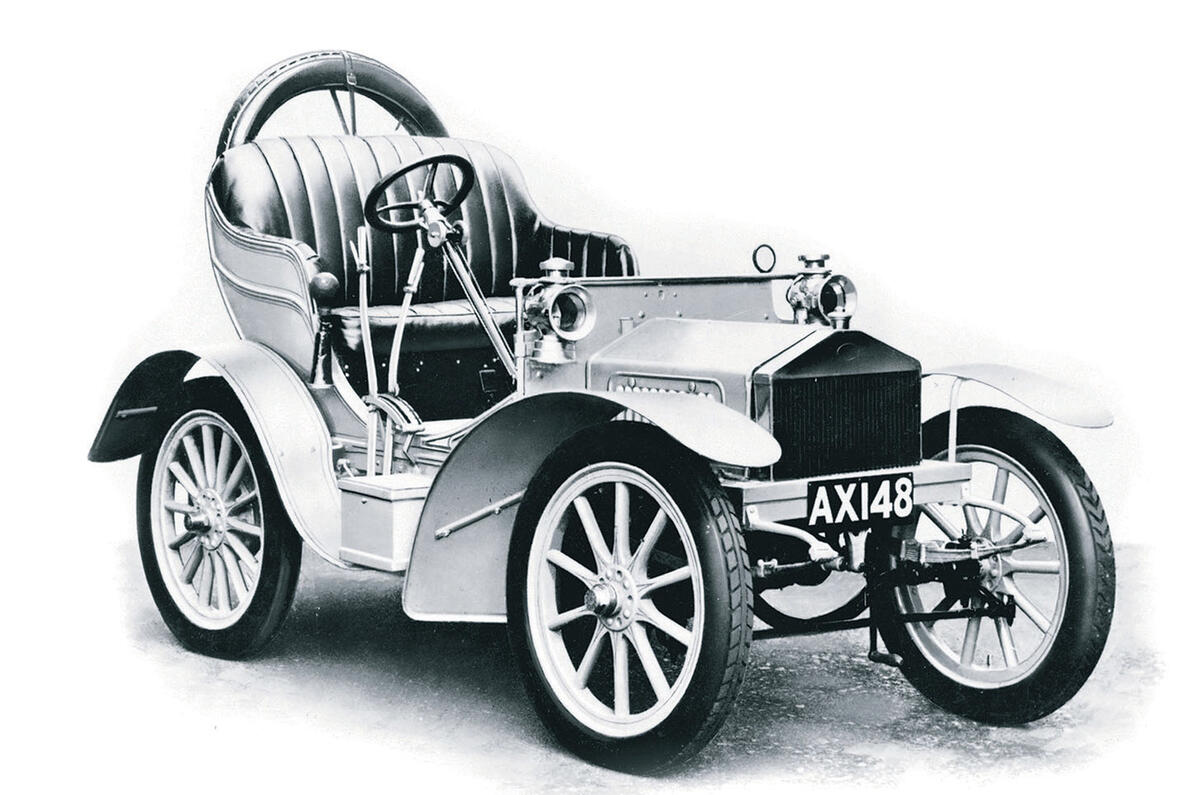
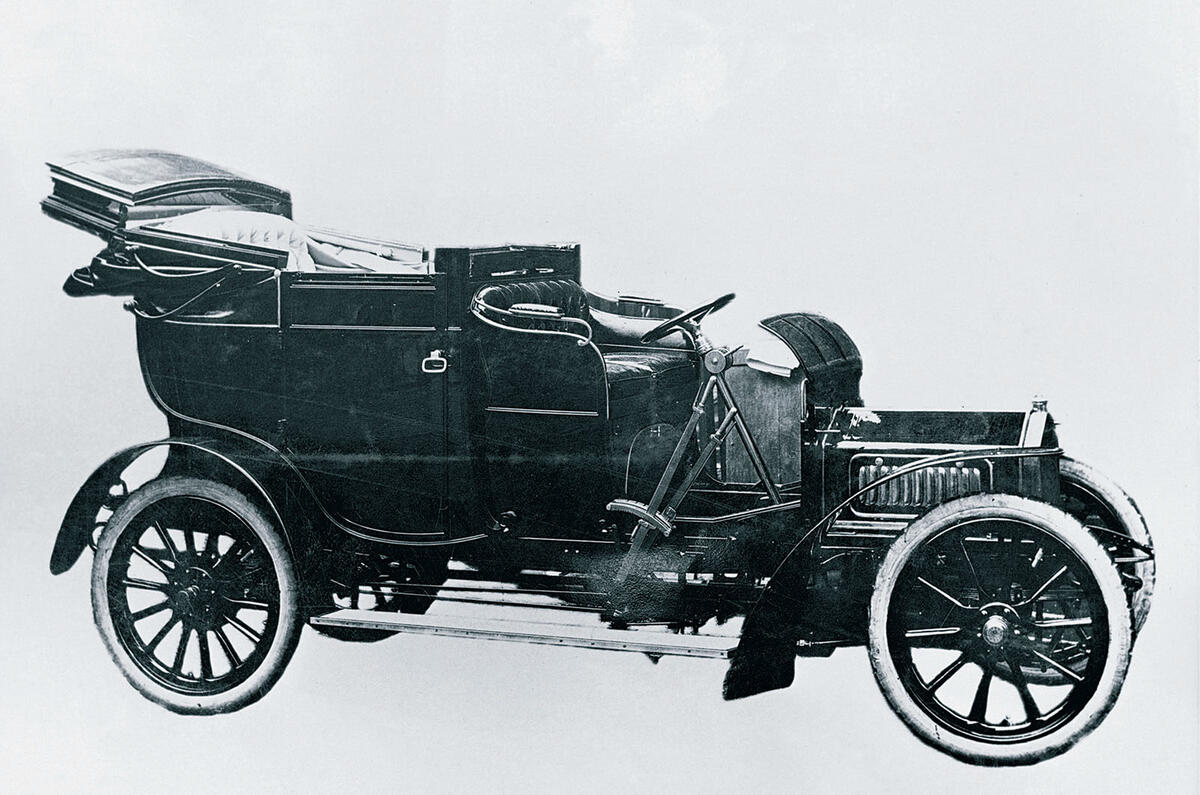
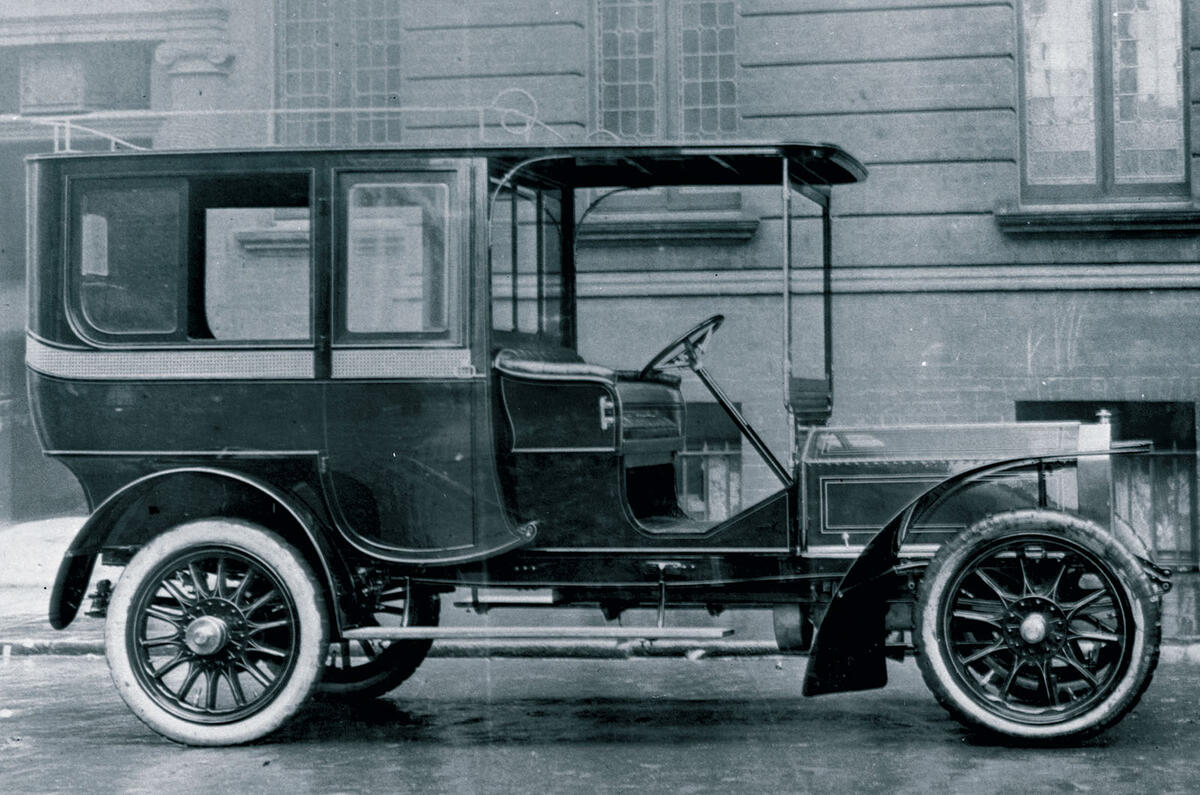
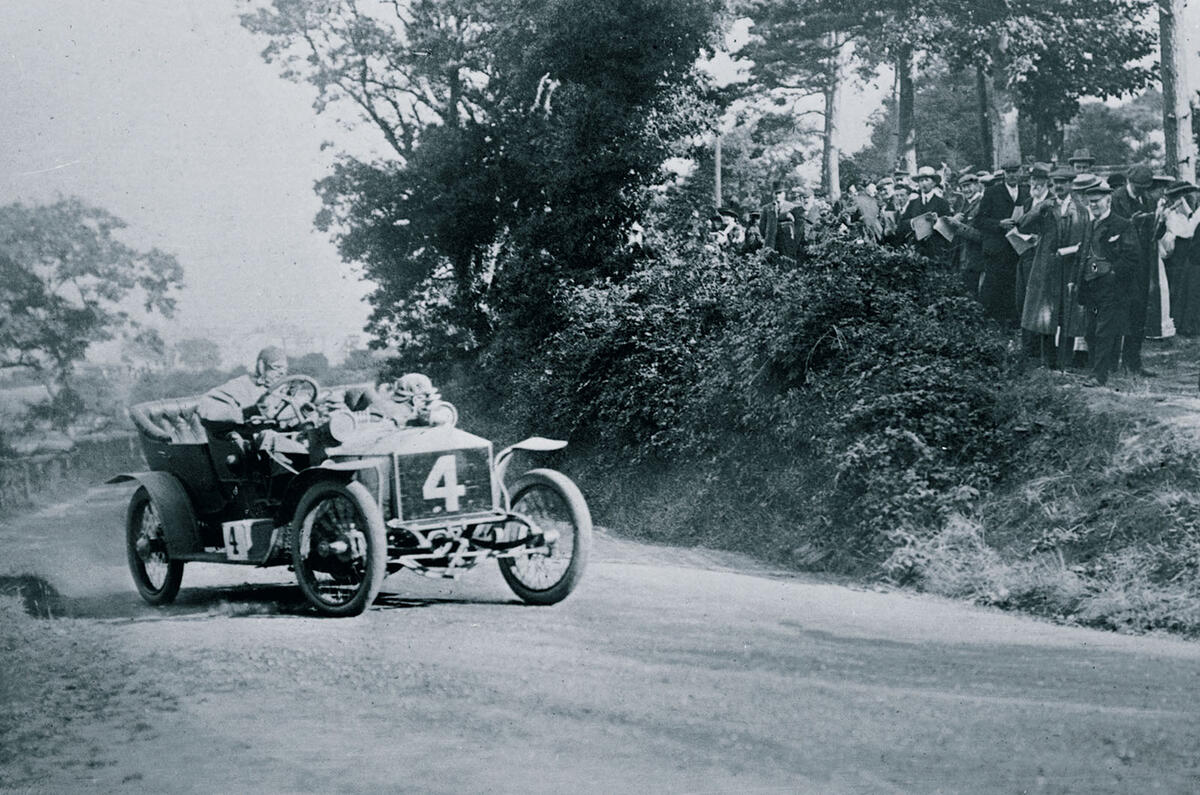
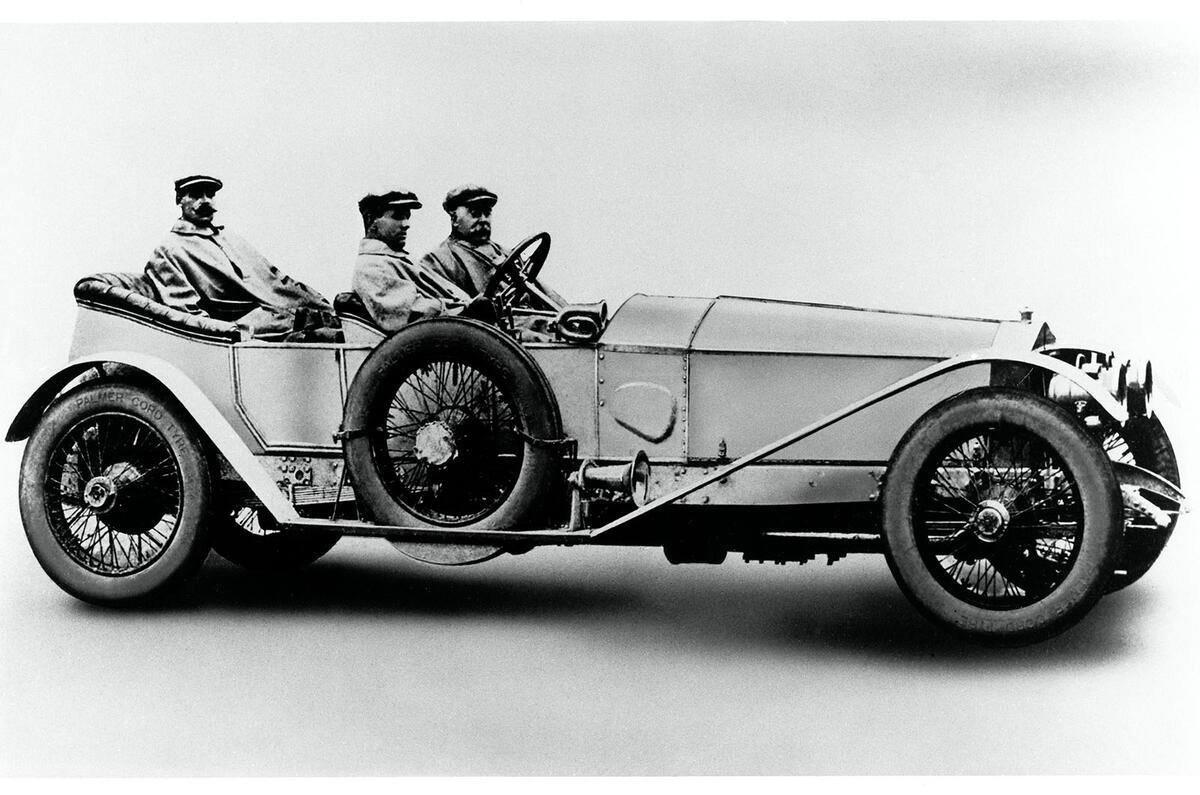
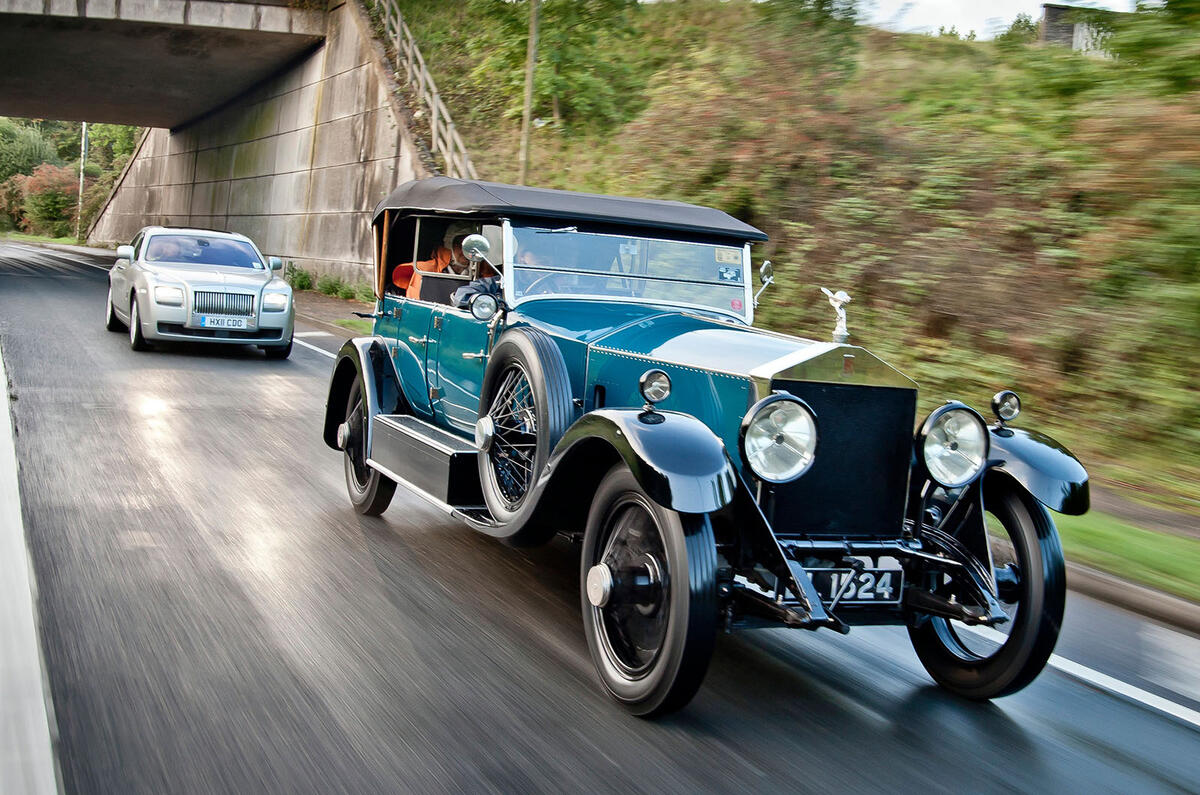
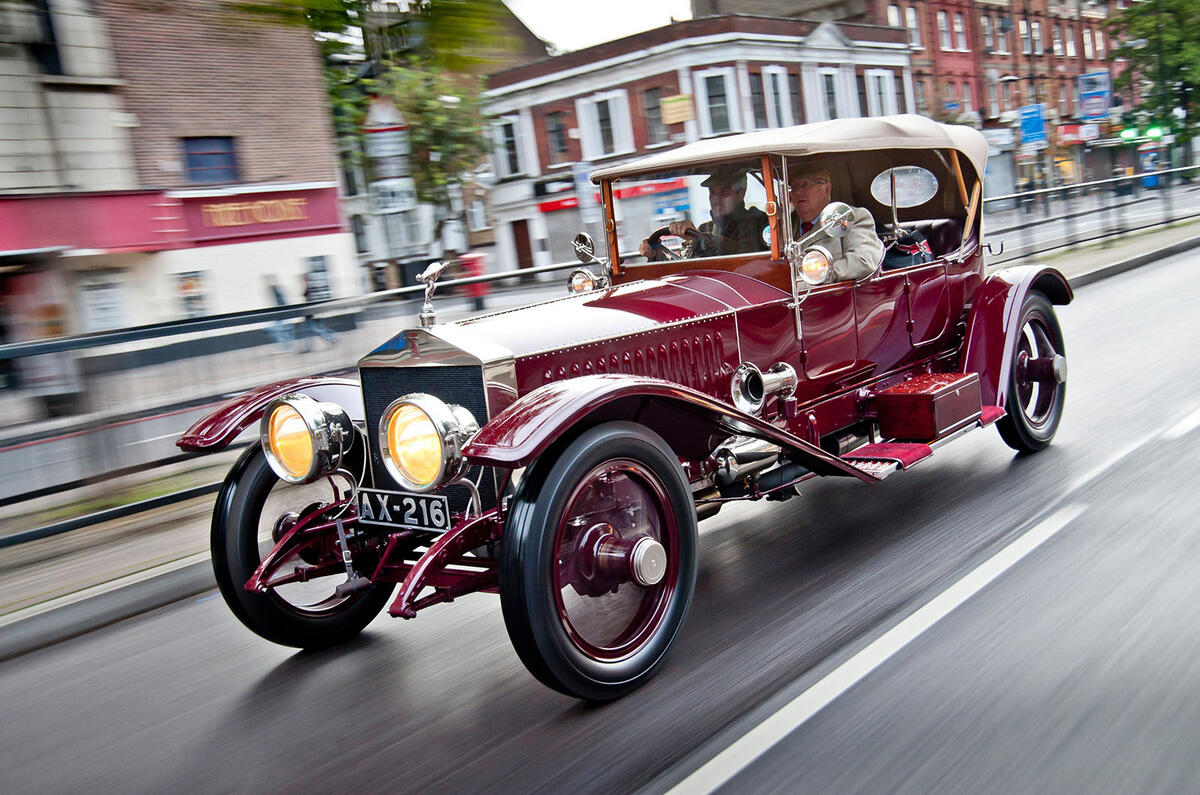
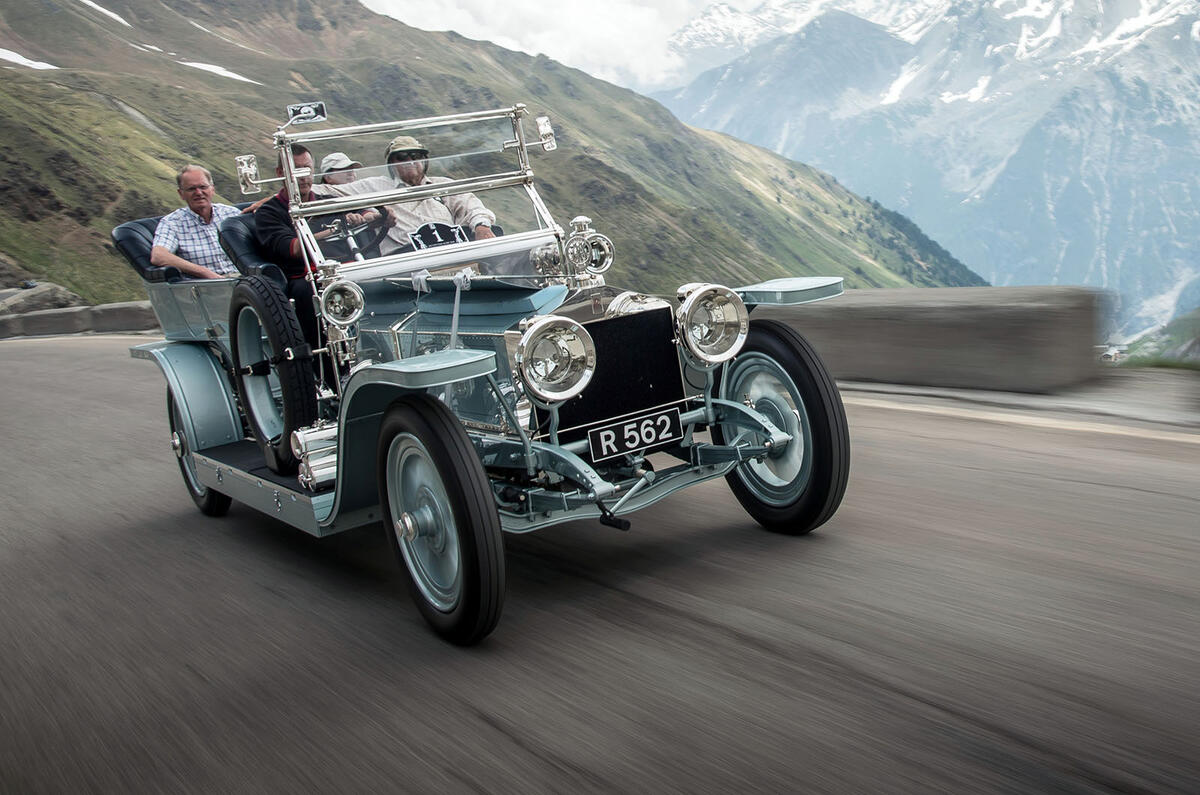
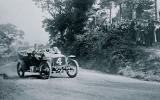
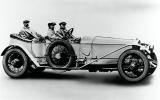
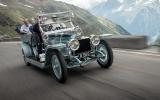
Although the Rolls-Royce 10hp can lay claim to being the first production ‘Roller’ when it debuted at the 1904 Paris Salon show, the 1907 Rolls-Royce ‘Silver Ghost’ 40/50 was the car that really put the luxury automobile maker on the map.
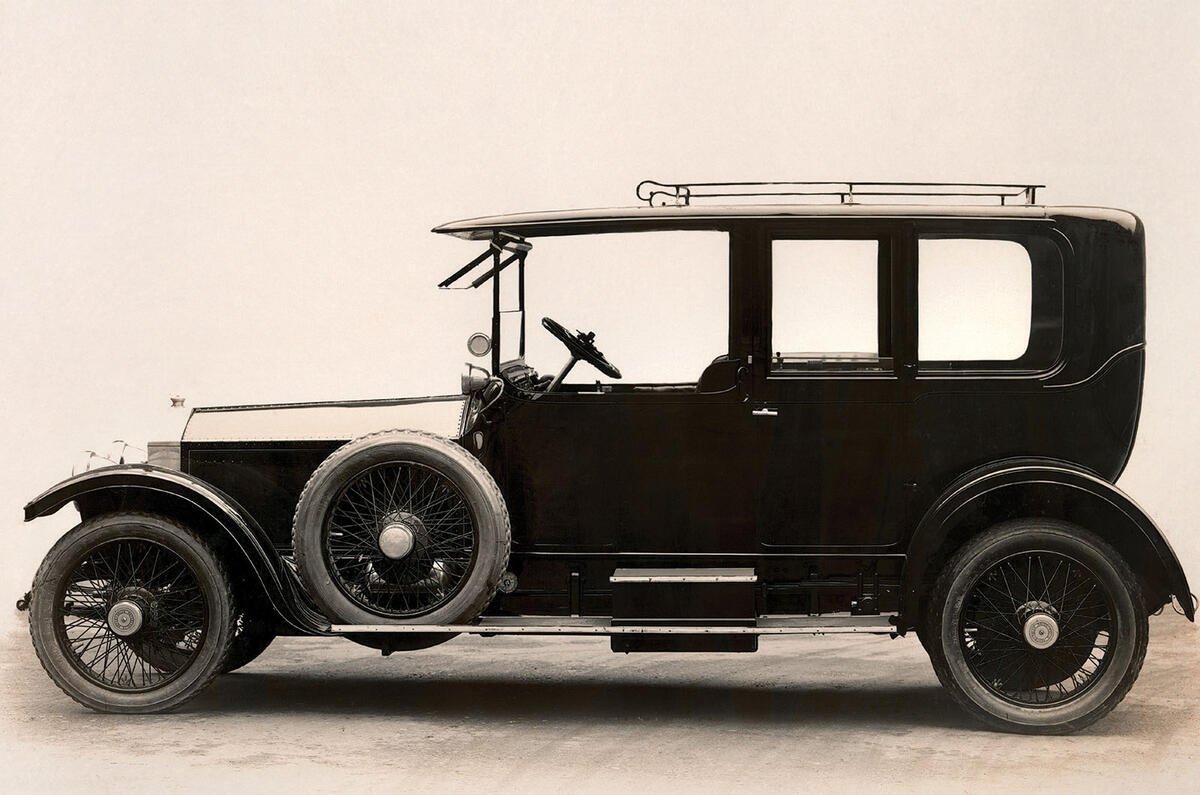
Powered by a 7.0-litre straight-six engine inside a silver-painted four-passenger chassis, the 40/50 (denoting its horsepower output) completed a faultless 14,371-mile run, cementing the car’s reputation at that time as “the best in the world”.
However, tragedy struck the company early on, when co-founder Charles Rolls was killed in 1910, after his Wright Flyer aircraft’s tail broke off during a flying display in Bournemouth.
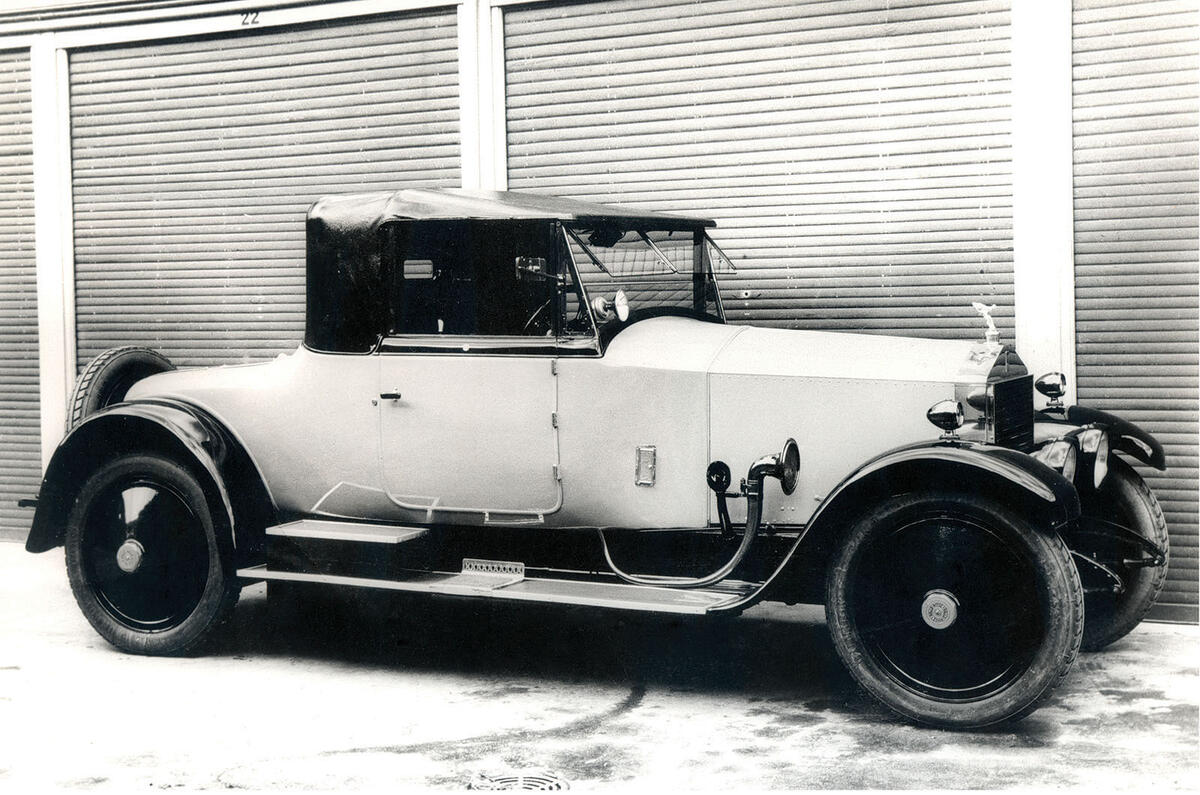
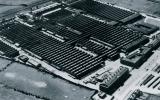
In 1921, due to increased demand following the First World War, Rolls-Royce opened its first factory in the US, amid a growing economy and the ‘Jazz era’, where Rolls-Royce cars show-boated wealth and elegance.
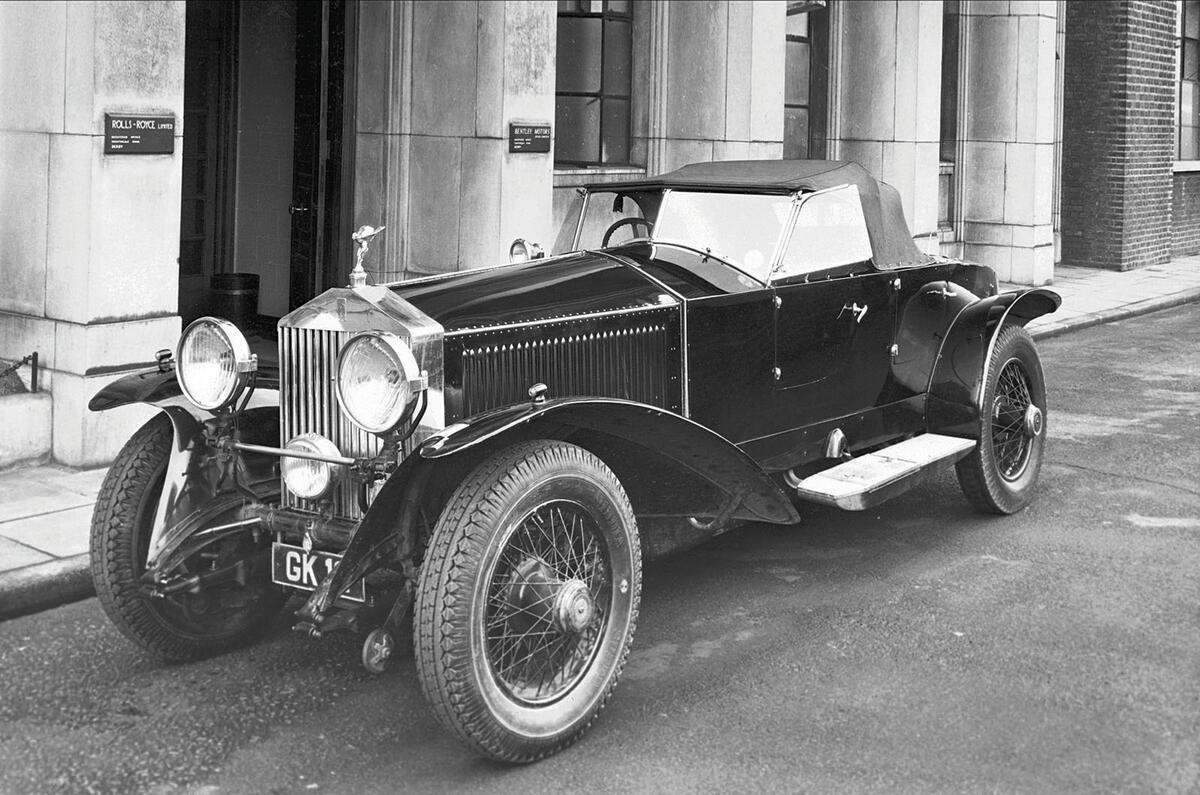
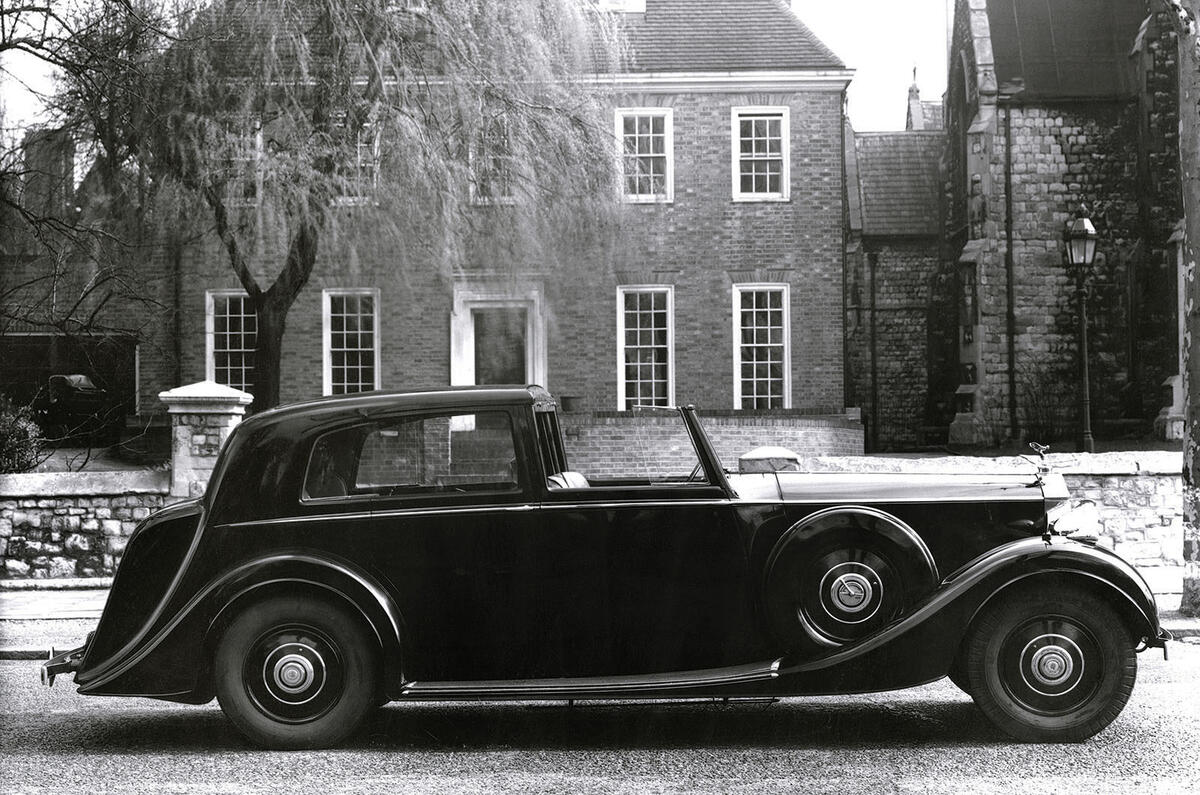
Ten years later, the British carmaker bought out its rival Bentley, after the latter failed to weather the storm of the Great Depression going into the 1930s. This proved to be beneficial for both brands and for the next 70 years, Rolls-Royce and Bentley cars would often share identical parts apart from the radiator grille and minor details. Unfortunately, Sir Frederick Henry Royce would not see the company flourish beyond the decade, as he died in 1933 aged 70.
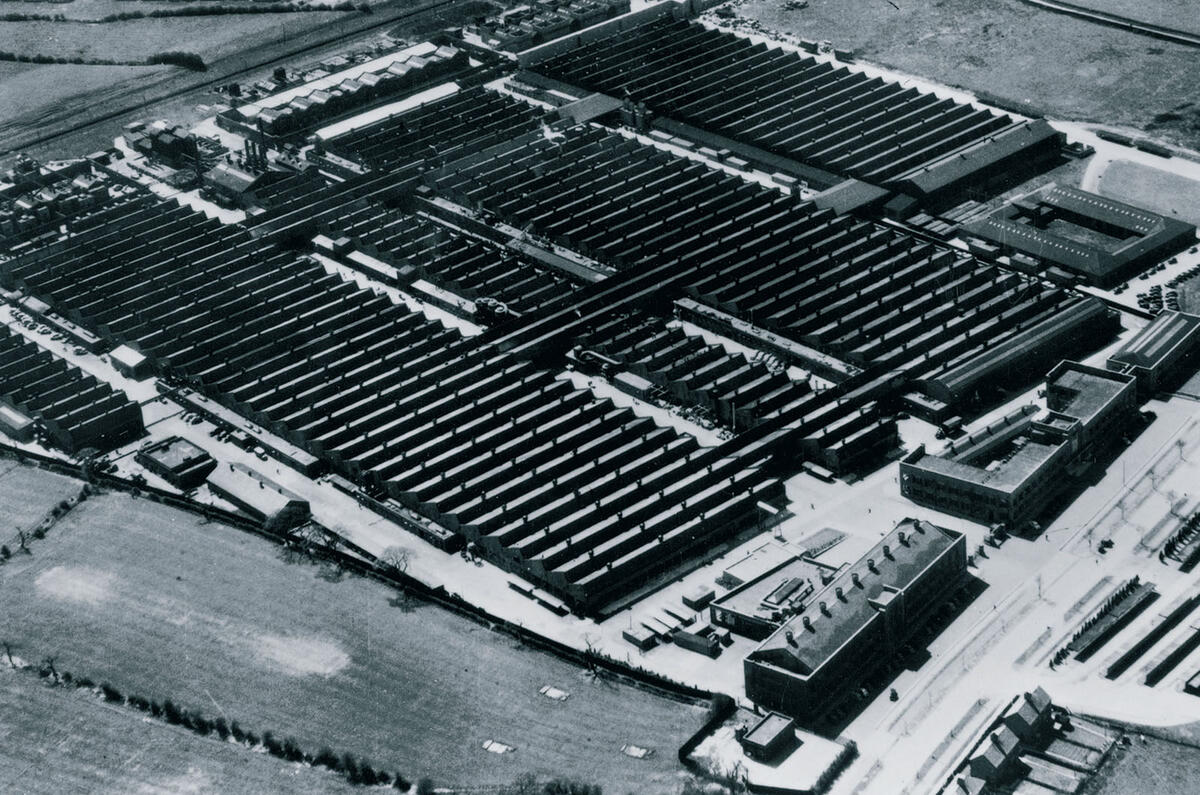
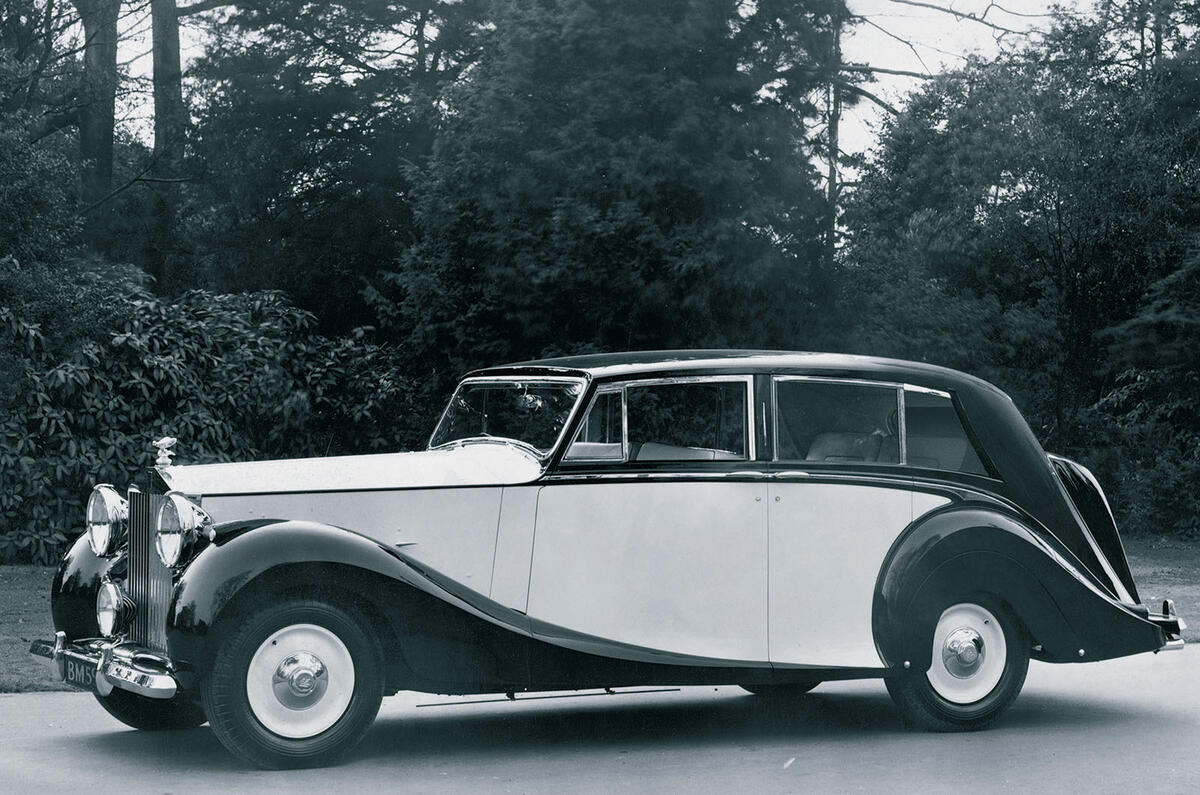
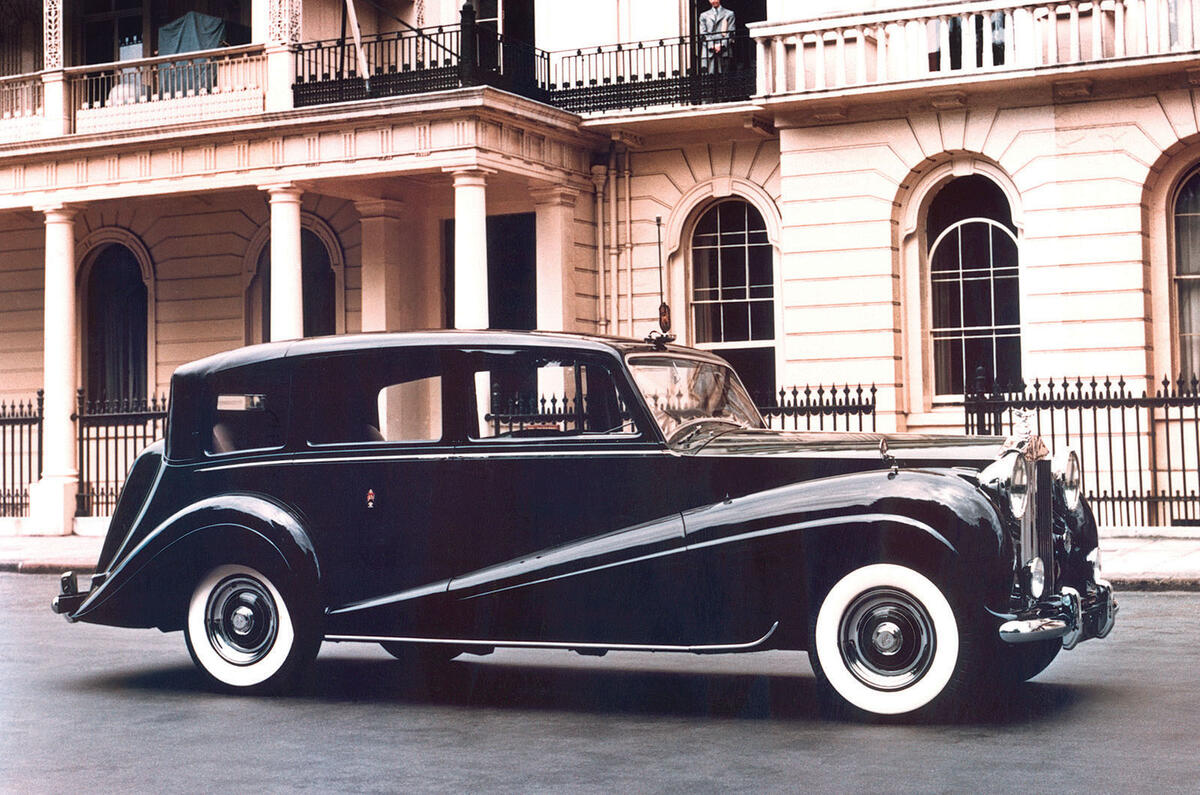
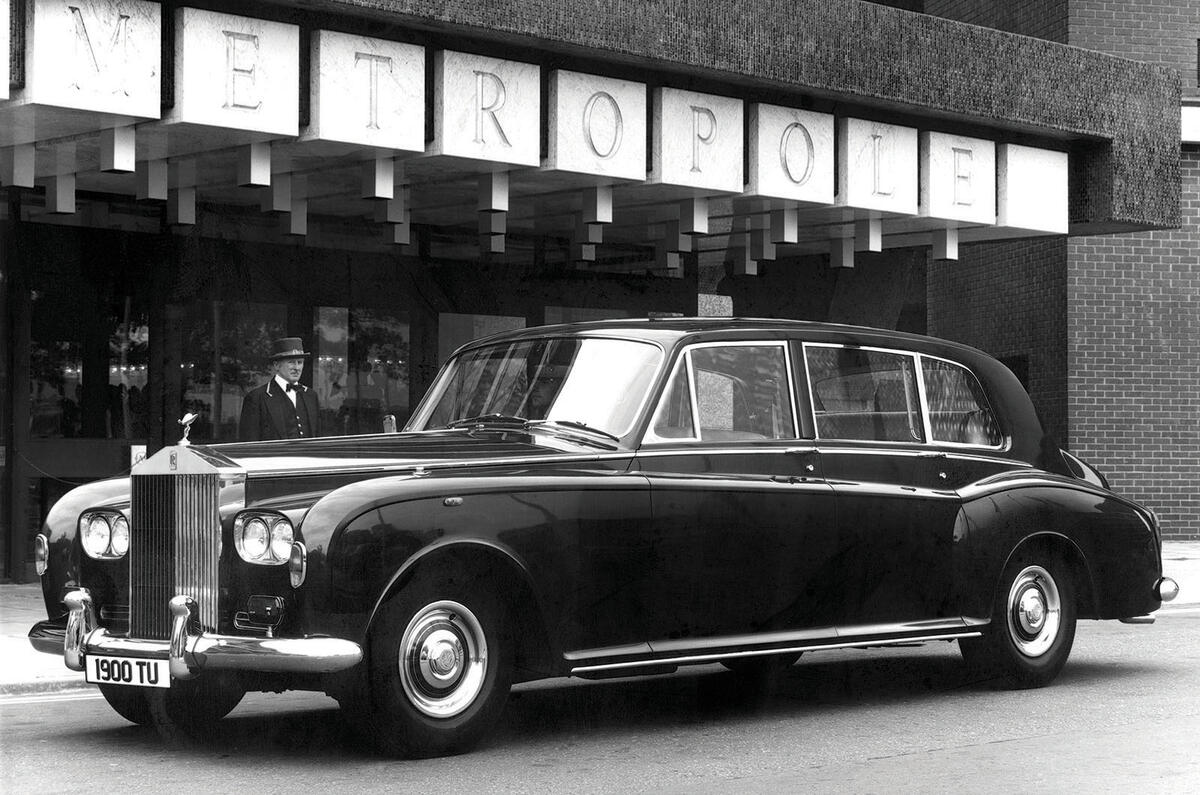
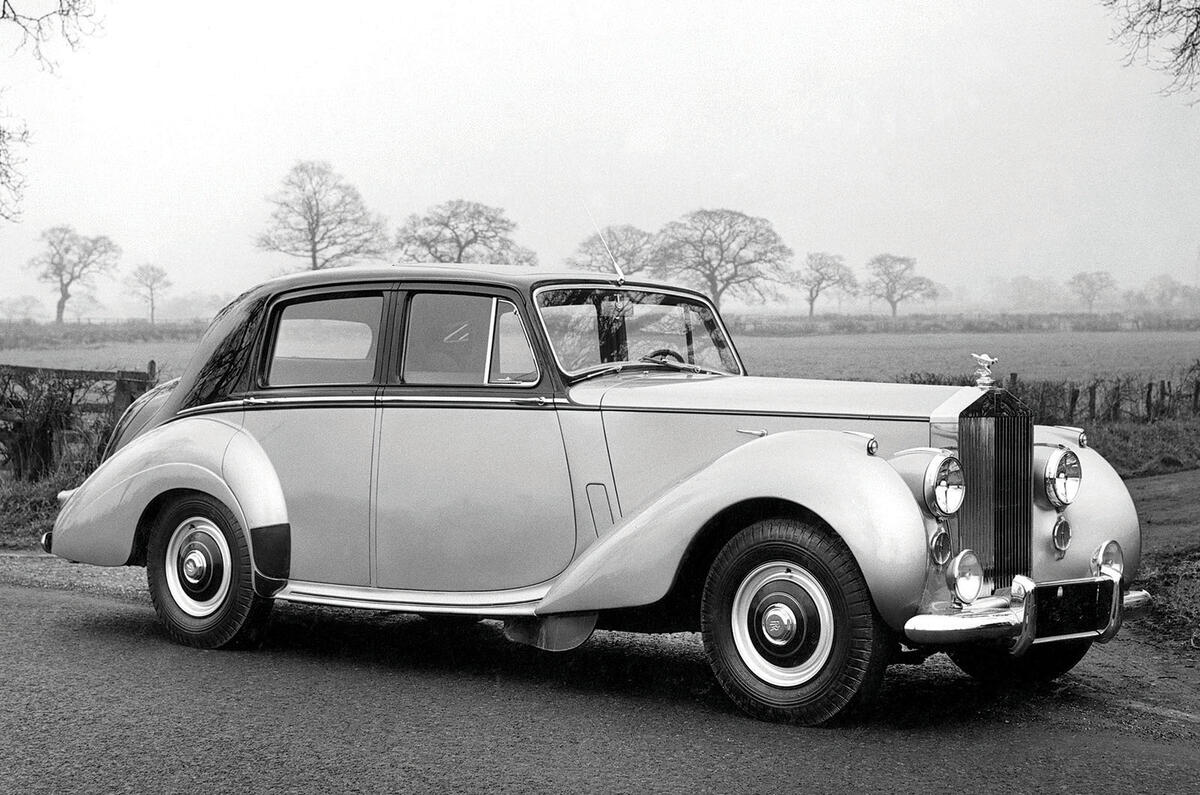
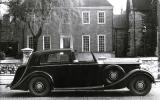
After the Second World War had ended, Rolls-Royce opened new plants in Crewe and Cheshire to go with its facility in Derby. The Crewe base would become the company’s formal home from 1946, which, with the exception of the Silver Wraith up to 1959, all bodies would be built in-house, putting an end to bodies being built by specialist coachbuilders.