






This won’t be a great year for US diesel sales.
Last year Volkswagen, Audi and Porsche together had a 75% share of the diesel car and SUV market in the US, but many models have been taken off sale in the wake of the emissions test rigging revelations. In addition, the low price of oil continues to make fuel efficiency a harder sell, with hybrids’ market share also falling. As a result, the Diesel Technology Forum (DTF), which promotes diesel’s interests in the US on behalf of vehicle manufacturers, component suppliers and fuel producers, expects diesel’s US market share this year to drop below the 3% seen in recent years.
In the longer term, however, a different picture is expected to emerge. In fact, according to estimates from both the DTF and Honeywell, a major supplier of turbos to diesel engines, diesel’s US market share could double in the next five years, to around 6%. A rise in fuel prices, especially for the premium petrol that increasing numbers of cars require, could be one factor, but there are other reasons why this might happen.
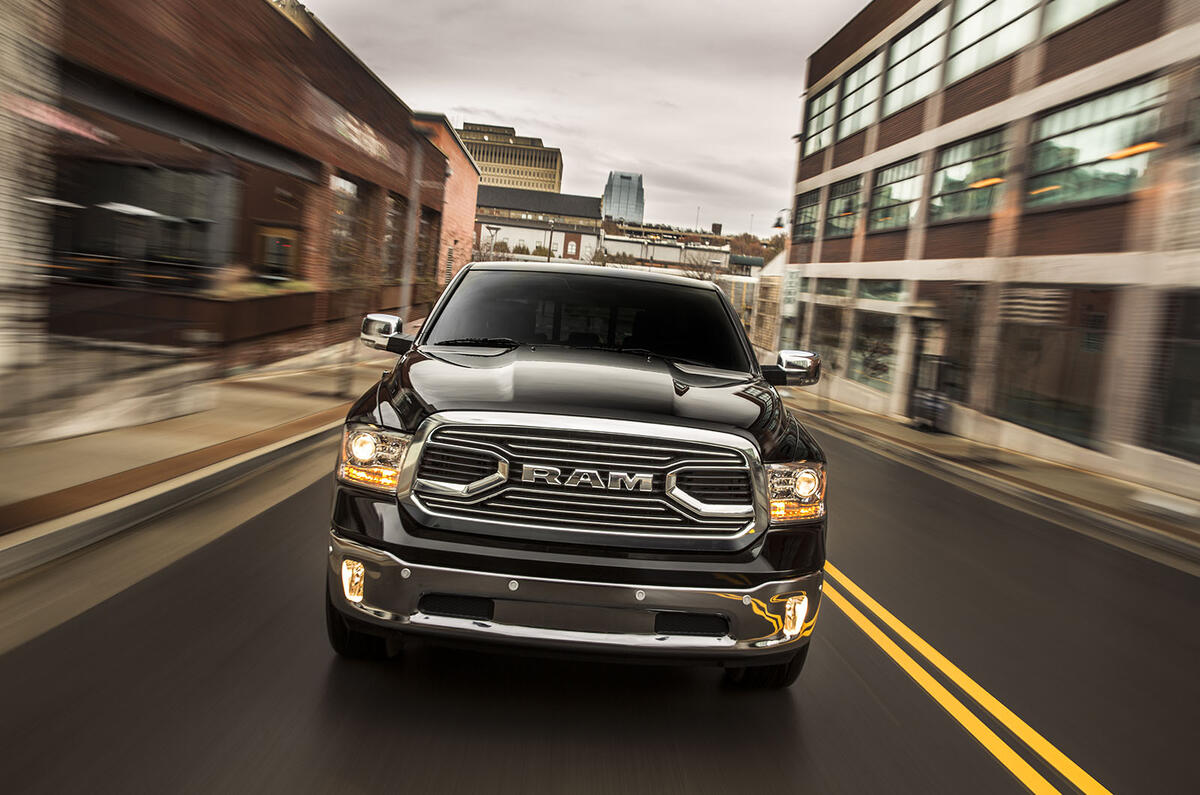
Light-duty trucks – a category that in the US includes pick-ups, SUVs, crossovers and MPVs – account for more than 55% of the US light vehicle market. More important, ‘truck’ sales are rising as car sales are falling, with the crossover segment in particular exhibiting strong growth. As in Europe, where crossovers and SUVs have eaten into the sales of conventional saloons and hatches, no one expects this trend to reverse any time soon.
Audi developed 'dieselgate' software in 1999

Meanwhile, US fuel economy and emissions standards are tightening. New corporate average fuel economy (CAFE) regulations will see the fleet average economy figure increase to 54.5mpg (US) by 2025, representing roughly a 40% improvement on today’s level. Over the same period, the new Tier 3 emissions standards demand a roughly two-thirds cut in particulate matter and the combination of non-methane organic gases and nitrogen oxides (NMOG+NOx).