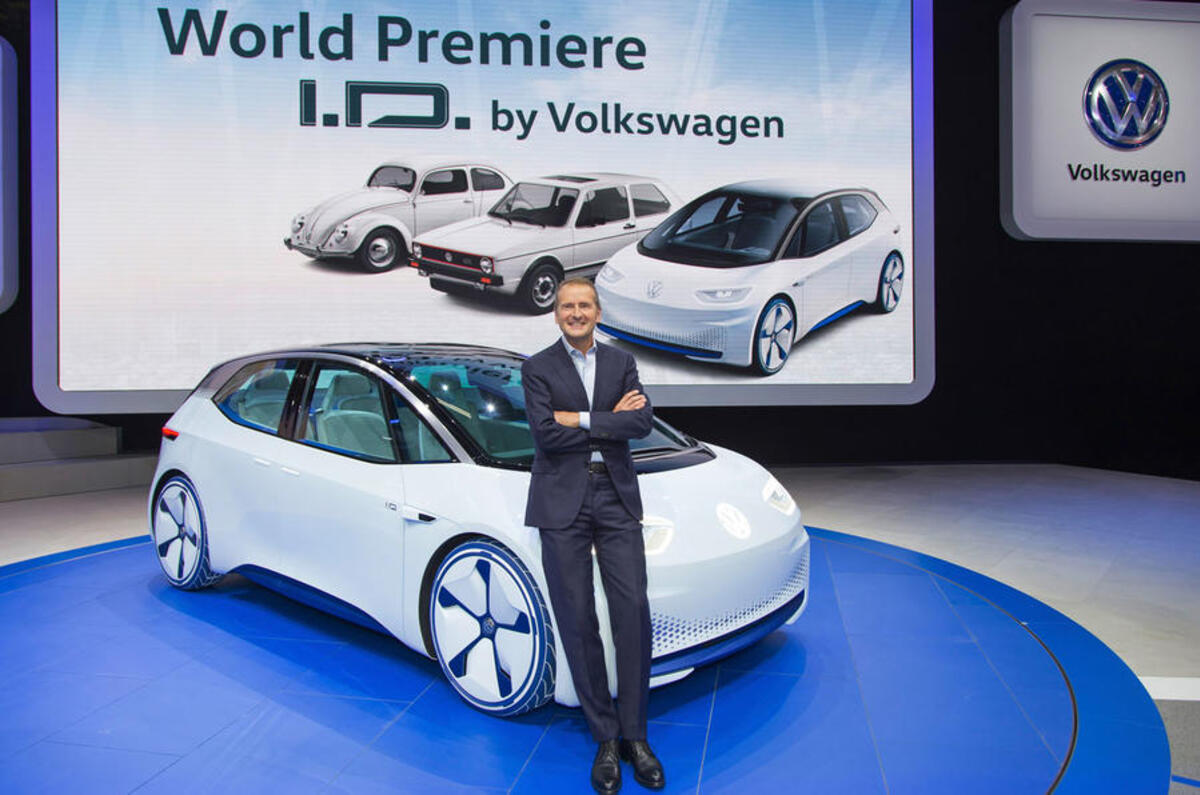
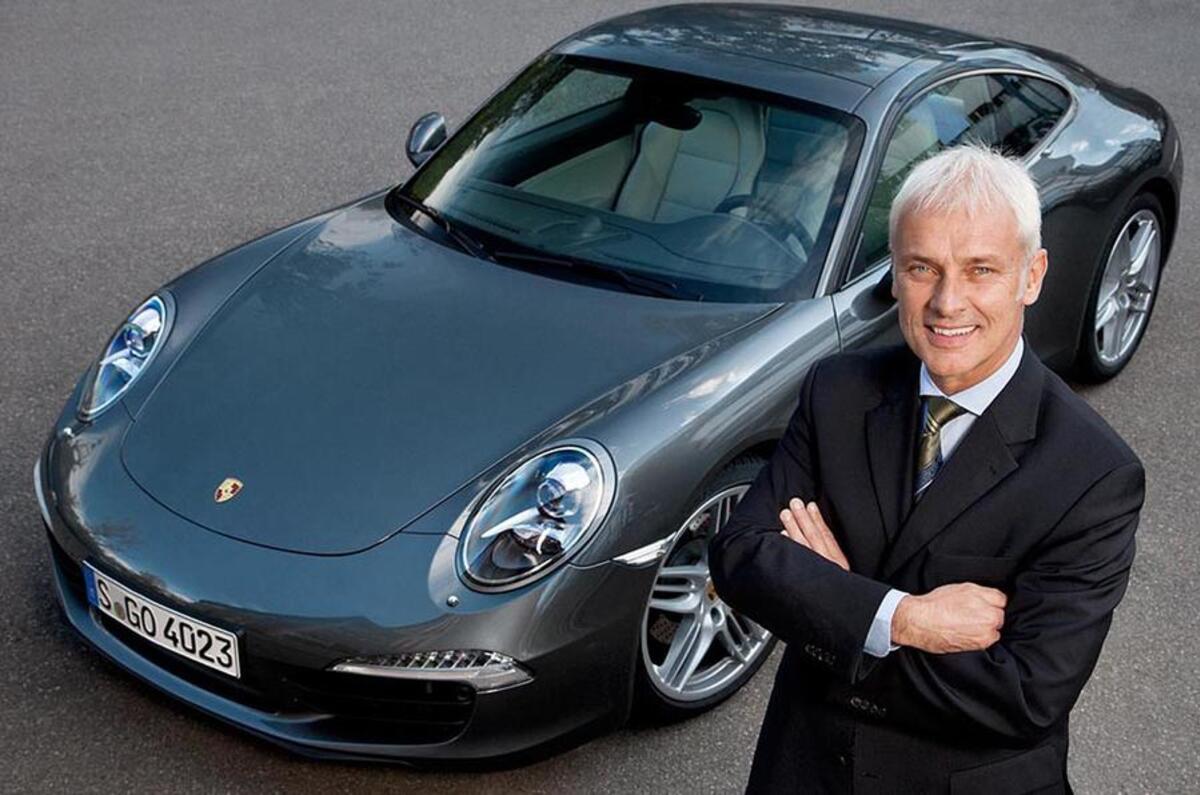

Herbert Diess has become the new boss of Volkswagen Group, replacing Matthias Müller, who has been at the helm of the Volkswagen Group since the Dieselgate scandal began in September 2015.
Diess will keep his existing role as Volkswagen brand chief. Müller’s departure has also left a vacant space on the board of Porsche. That position has been given to Oliver Blume, the existing Porsche CEO.
The moves are part of sweeping changes at the Group, which includes Volkswagen, Skoda, Seat, Audi as well as luxury brands Bentley, Bugatti, Porsche and Bentley.
Volkswagen chairman Dieter Pötsch said that ex-CEO Matthias Müller's age (he's 64) played some part in the decision to replace him. Pötsch said the company's stakeholders decided that a long-term leader was more desirable.
Under the new structure, the car brands will be separated into three core divisions: volume which will include VW, Skoda and Seat; premium which features Audi; and super premium which includes Porsche Bugatti, Lamborghini and Bentley.
"Audi is the core brand for this competitive segment, which features BMW, Daimler and Lexus," Diess said, when asked Audi it is the sole premium car brand. "Audi plays an instrumental role within the whole group. Our super premum segment is specifically for car enthusiasts who like to spend a lot of money on cars - people who really love cars and are petrolheads".
Diess said that he will work to increase the efficiency of synergies across the group's companies, highlighting the importance of streamlining decision making processes in order to adapt to the fast-changing car industry.
"My most important task will now be to join with our management team and our group workforce in consistently pursuing and pushing forward our evolution into a profitable, world-leading provider of sustainable mobility," he said. "In a phase of profound upheaval in the automotive industry, it is vital for Volkswagen to pick up speed and make an unmistakable mark in e-mobility, the digitalization of the automobile and transportation as well as new mobility services.
"We believe we cannot control and manage this century, but our group activities will be co-ordinated and our political relationships will be well maintained," said Diess, when asked how the company plans to stay ahead of a constantly evolving car industry.
The Müller departure comes as part of plans thought up by Wolfgang Porsche, Hans Michel Piëch and Hans Dieter Pötsch. The former two come from the families that control more than 52% of the Volkswagen Group, while the latter is its chairman.