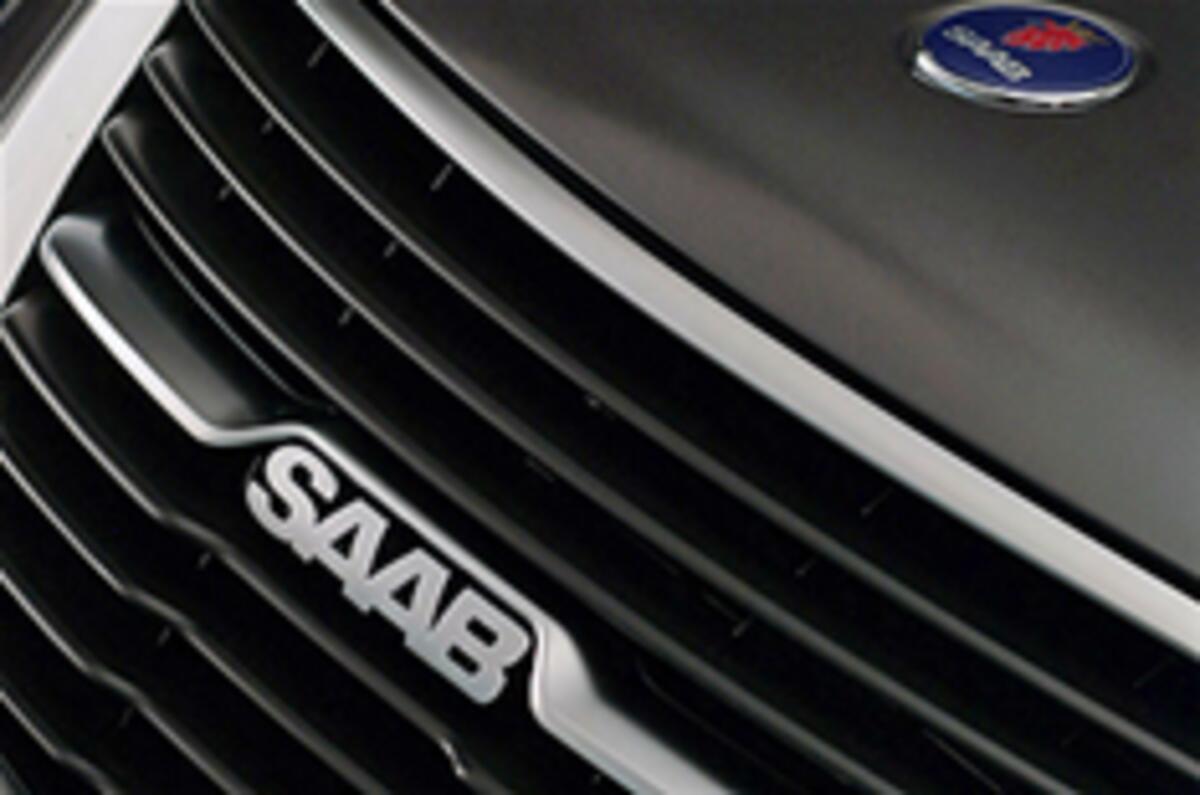

Saab is to be closed down by General Motors, after no new buyer for the troubled Swedish firm could be found. Some 3400 people employed directly by Saab are expected to lose their jobs, and 1100 dealers worldwide will have to find new franchises.
GM’s European president Nick Reilly said no deal could be reached with the sole remaining bidder, Spyker Cars.
Hilton Holloway blog: What went wrong for Saab?Saab's history in pictures
“Despite the best efforts of all involved, it has become very clear that the due diligence required to complete this complex transaction could not be executed in a reasonable time. In order to maintain operations, Saab needed a quick resolution,” he said.
Unresolvable issues
In a press conference shortly after the announcement was made, GM Vice President of Corporate Planning John Smith said that “during the course of the negotiations with Spyker, unresolvable issues arose on both sides.” He declined to explain the exact nature of the particular issues, but added that “there comes a time in these kind of discussions when it’s clear that no further progress can be made. At that point, the best course for everyone is just to move on.”
Smith did confirm that the failure of Spyker’s bid wasn’t due to lack of support from either the European Investment Bank or the Swedish government. “The EIB supported our negotiations right until they ended this morning.”
“The Swedish government also worked particularly hard to secure a future for Saab,” Smith continued “and was disappointed with our decision to wind down.” Smith went on to suggest, however, that the Swedish government’s refusal to act as an investor in Saab, but only as a potential guarantor of a loan to a separate bidder, made GM’s task to save Saab considerably more difficult.
Economies of scale
Summing up GM’s ownership of the troubled car-maker, Smith said that there had been “no shortage of effort on behalf of GM, over 20 years, to put Saab on a good footing. It was always difficult to integrate the company into GM,” Smith went on, “and to find the bigger economies of scale that would make its business more profitable.”
“We do take responsibility for what’s happened to Saab over those 20 years,” Smith admitted, “but in the end, there was really no more that we could do."
Spyker's reaction
Spyker boss Victor Muller was disapointed a deal couldn't be reached.