





If you lose a coin inside your car, recycling company EMR will find it.
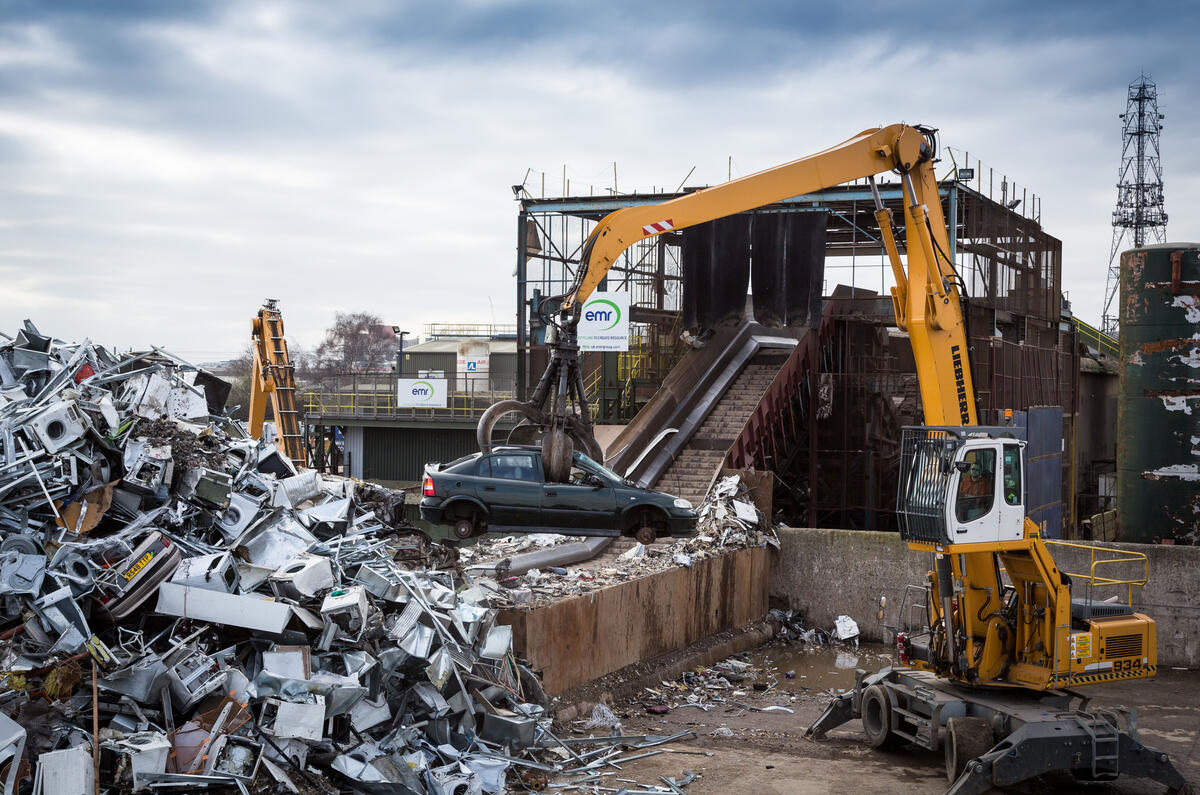
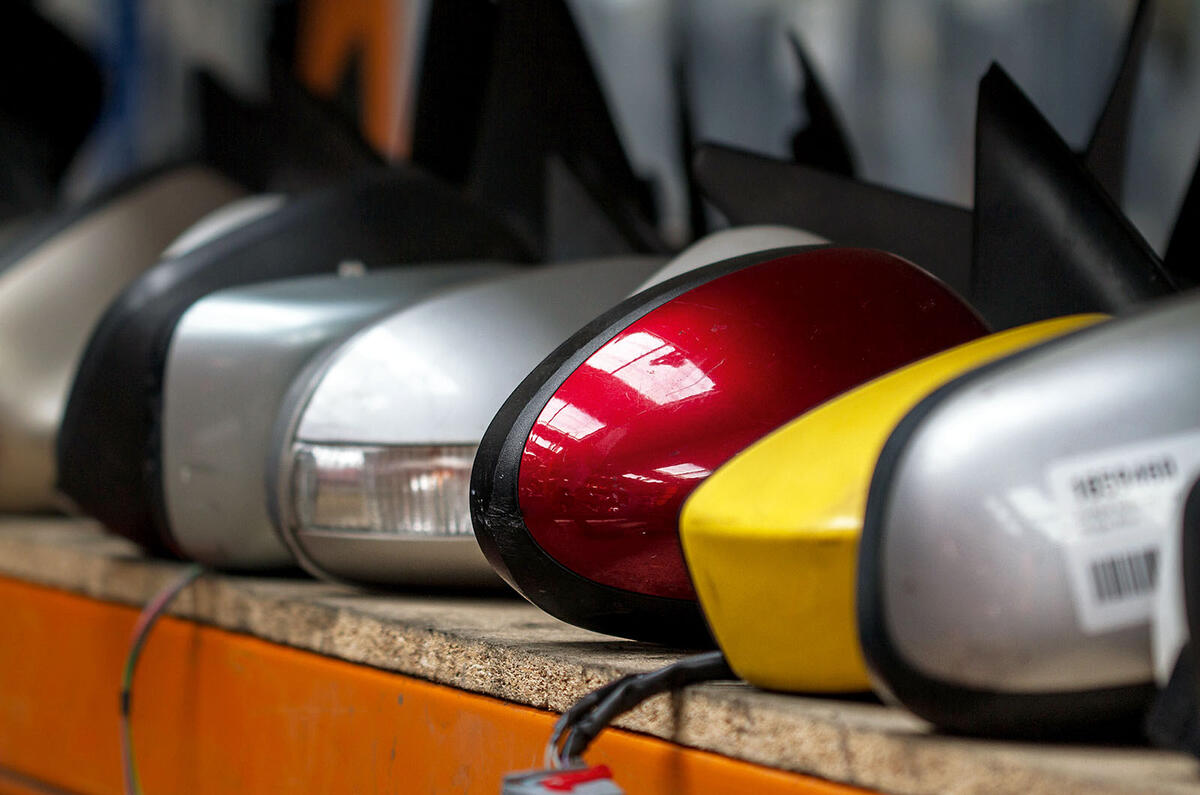
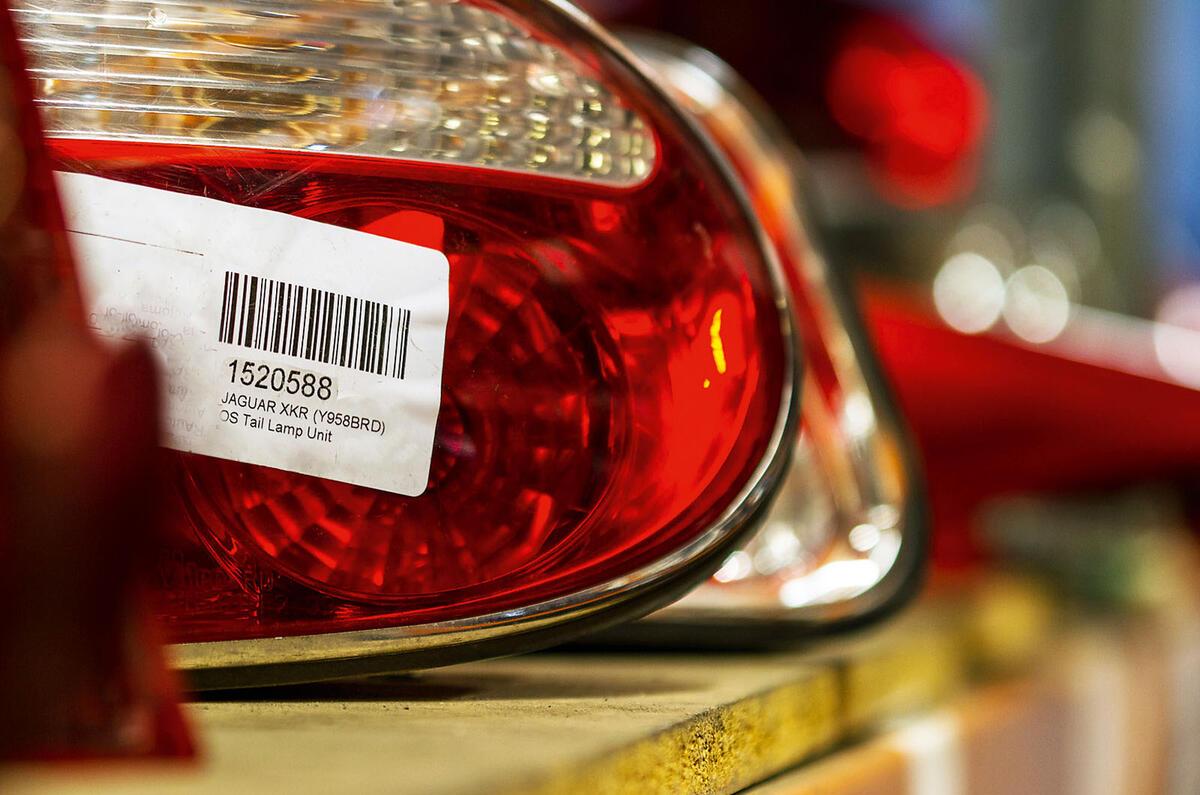
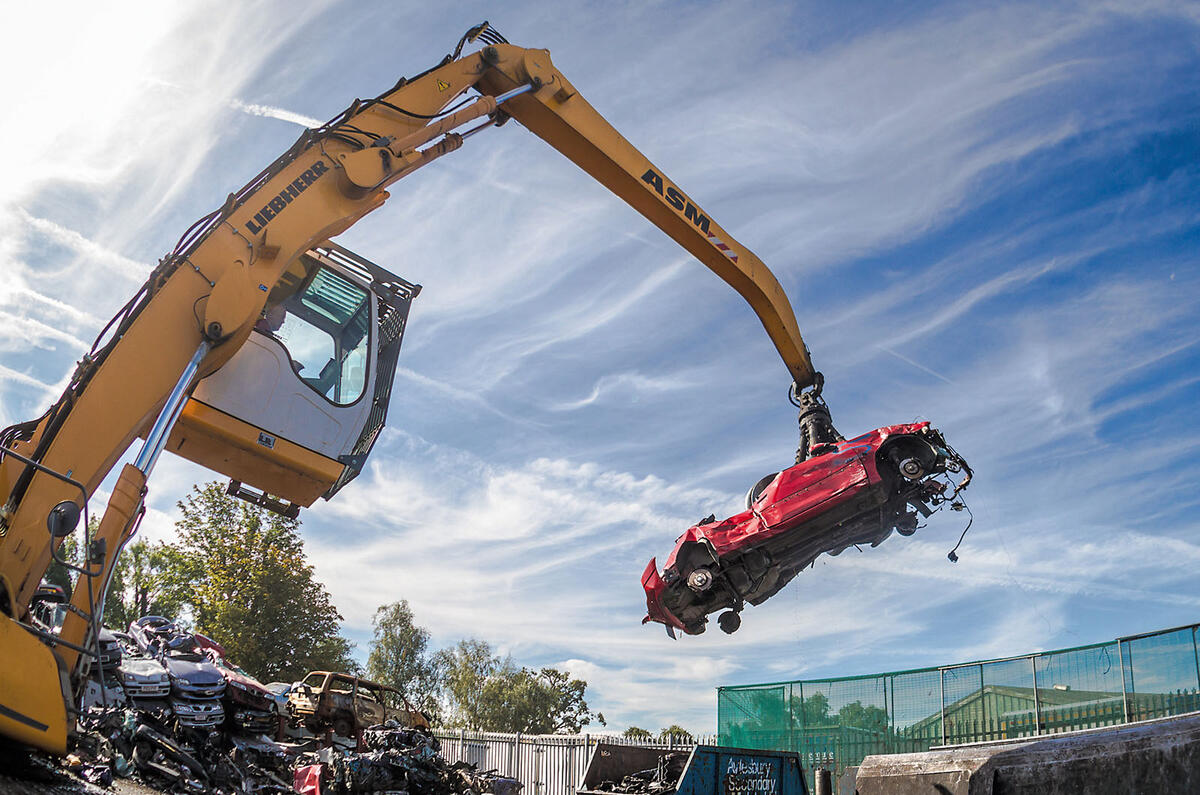
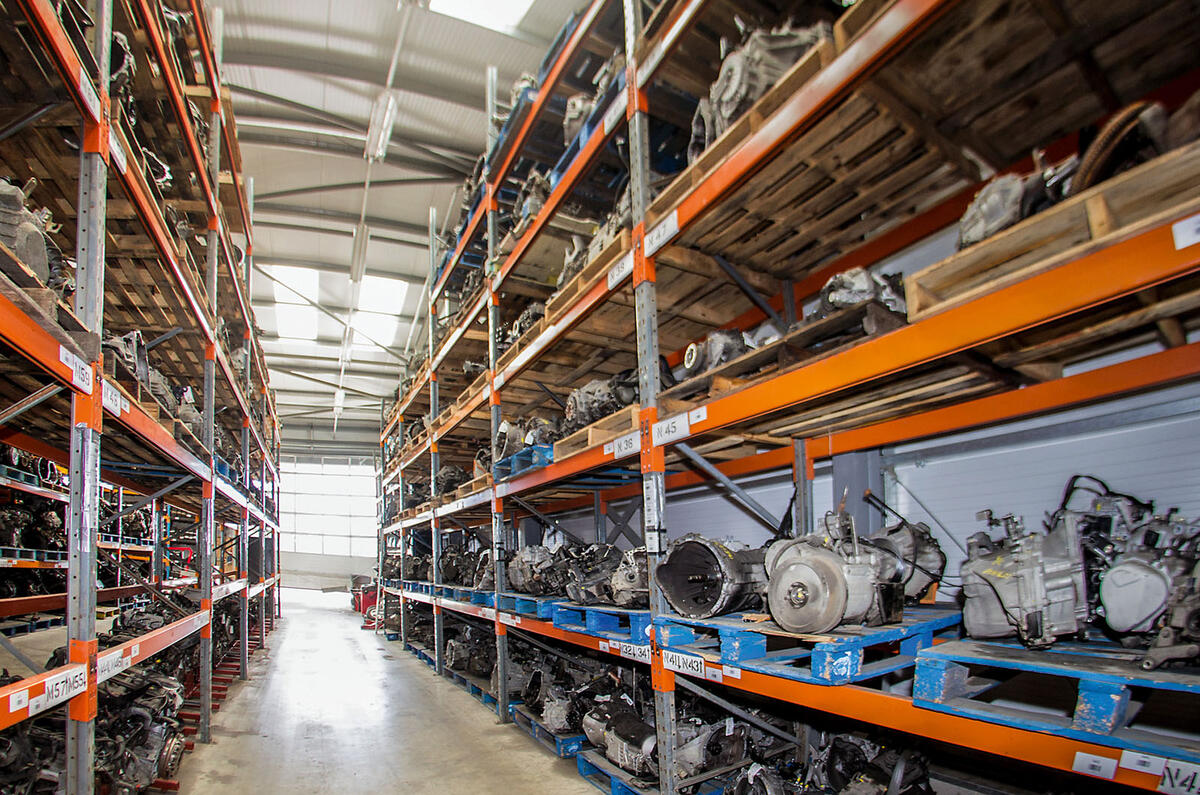
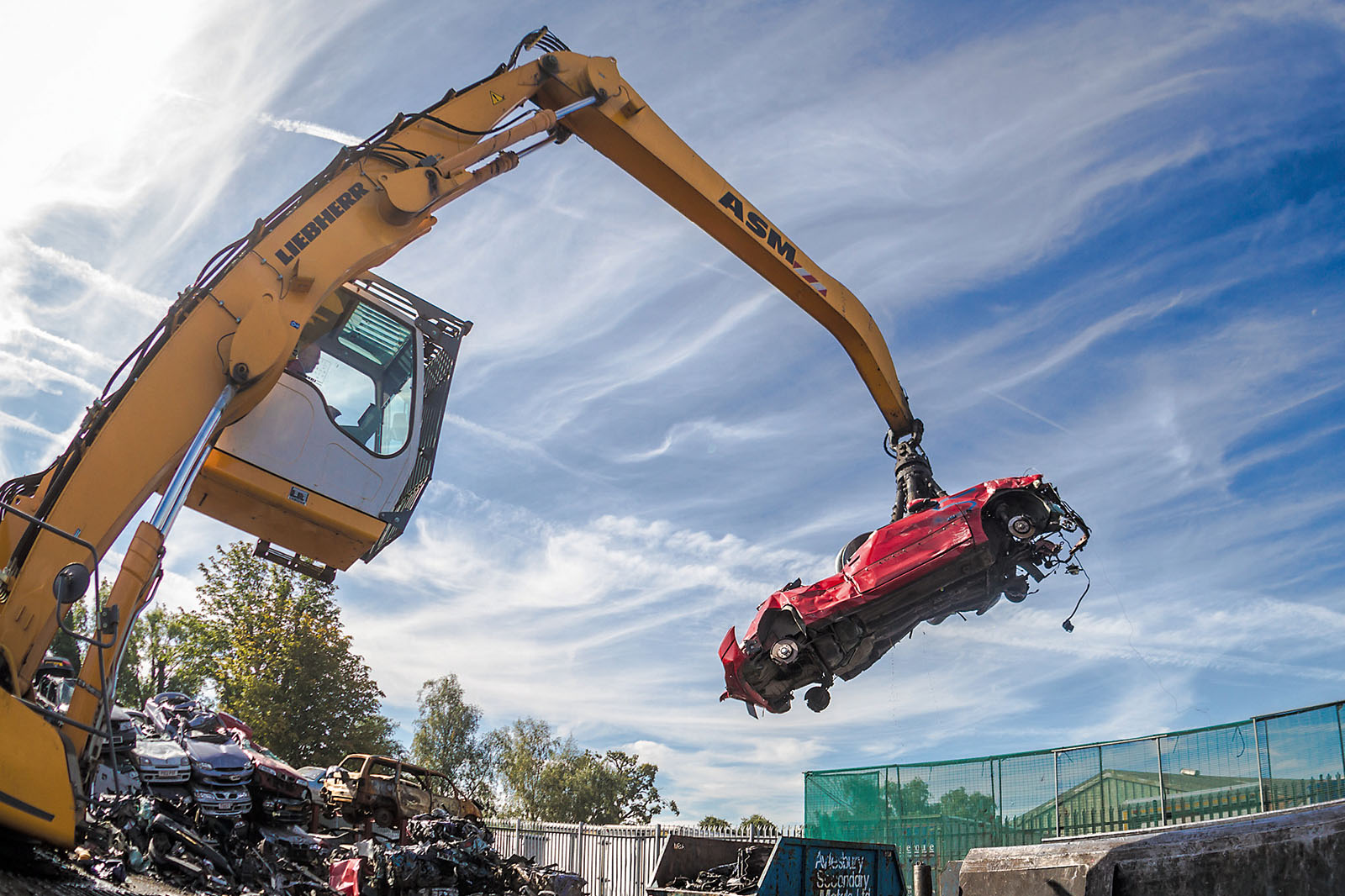
However, be prepared to have the vehicle scrapped, stripped of its saleable parts and what’s left crushed into a cube – called a bale – before being shredded into pieces no larger than a tennis ball. Then watch as these balls are broken into still smaller bits and passed along a conveyor under a vacuum to have any lightweight materials sucked away, before magnets draw out heavier steels and ferrous materials. Finally, gaze in astonishment as what’s left is passed through a so-called ‘heavy media separator’ containing a fluid where non-ferrous metals (for example copper, aluminium and brass) can be separated out by flotation.
Et voilà : glinting dimly among the resulting pile of non-ferrous metals will be your two-pence piece.
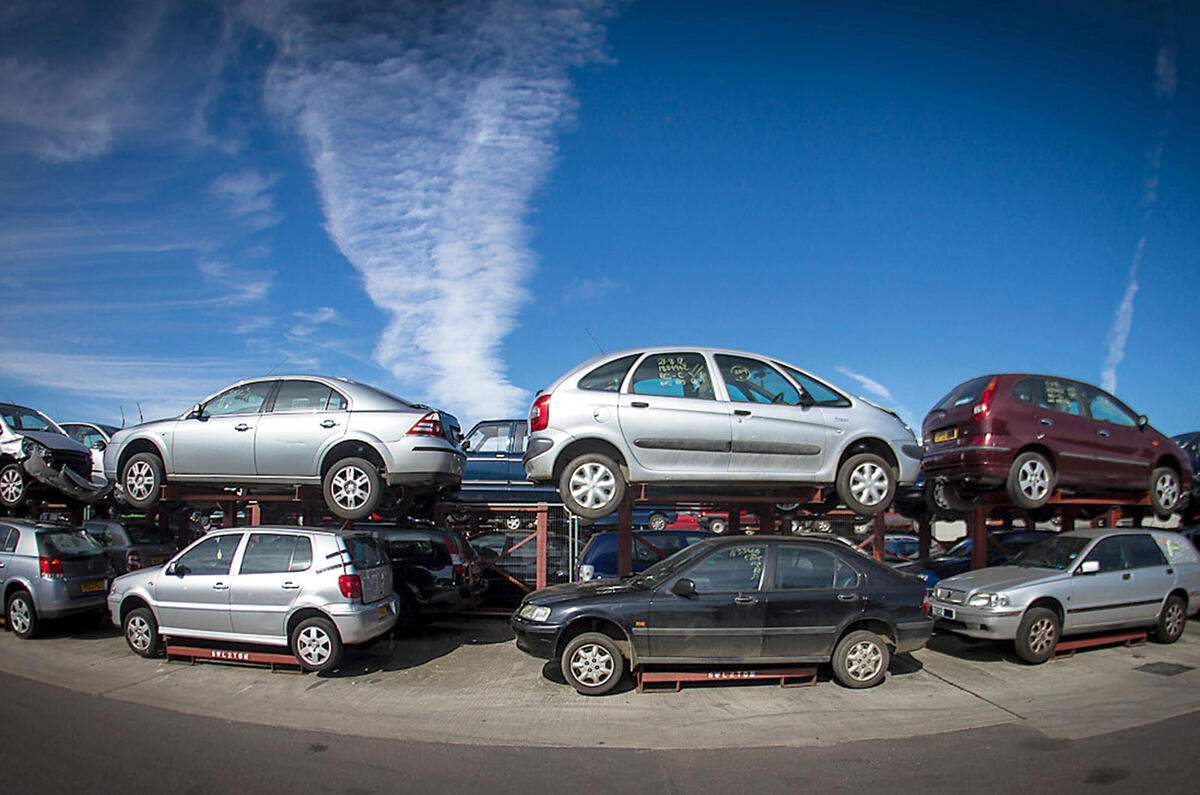
EMR, a multinational recycling company, is one of the unsung heroes of the automotive world. Although most people are familiar with the 2200 licensed authorised treatment facilities (ATFs) – vehicle scrapyards and breakers to you and me – on the fringes of our towns and cities, the likes of EMR are a relative mystery.
Which is amazing, since each year EMR alone recycles more than four million tonnes of waste, much of it old cars. Ferrous and non-ferrous metals are resmelted, window glass ends up as aggregate for the construction industry, and foams and certain plastics undergo a process called gasification to generate electricity.
Earlier this year the motor industry’s mouthpiece, the SMMT, published its annual UK Automotive Sustainability Report. It trumpeted how the industry has met its 2015 target for 95% of a vehicle (by weight) to be recycled. It also reported on the growth in remanufacturing – worth £2.4 billion annually – citing the example of Ford’s engine and GKN’s driveshaft recycling schemes. It applauded what it called the industry’s continued co-operation with regulators and the recycling industry.