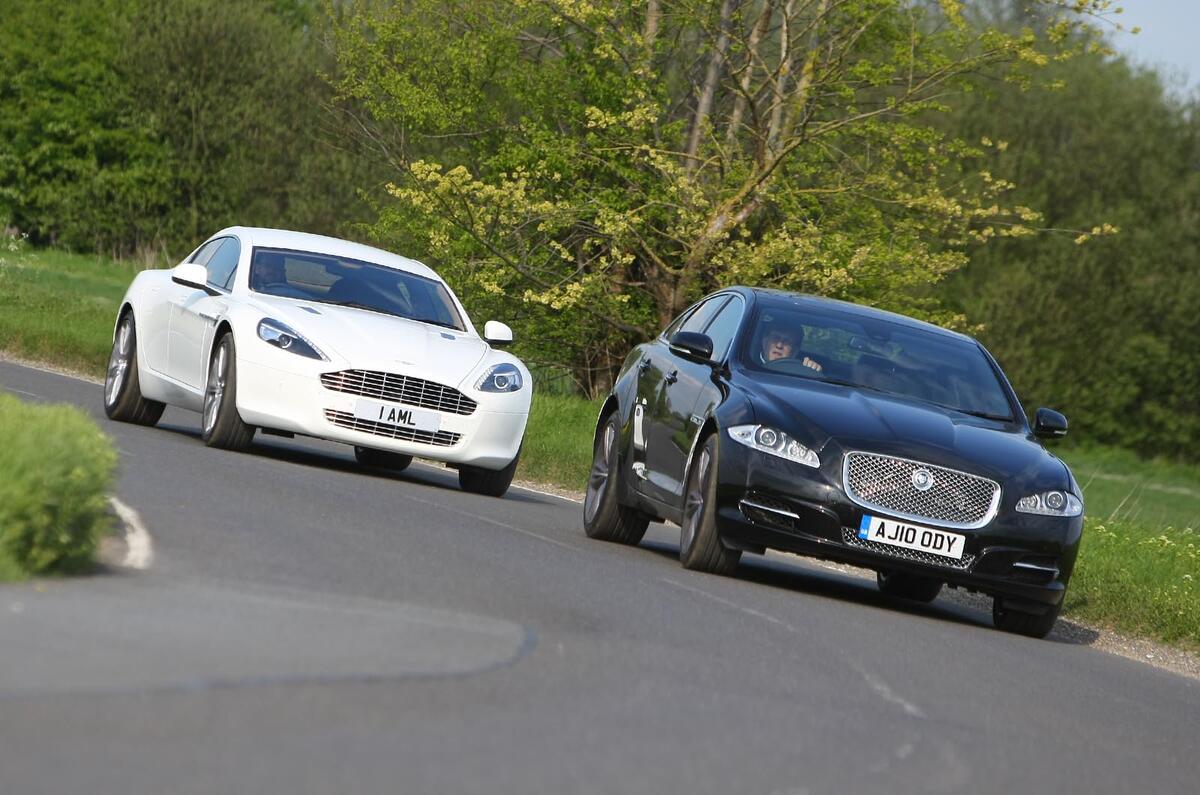
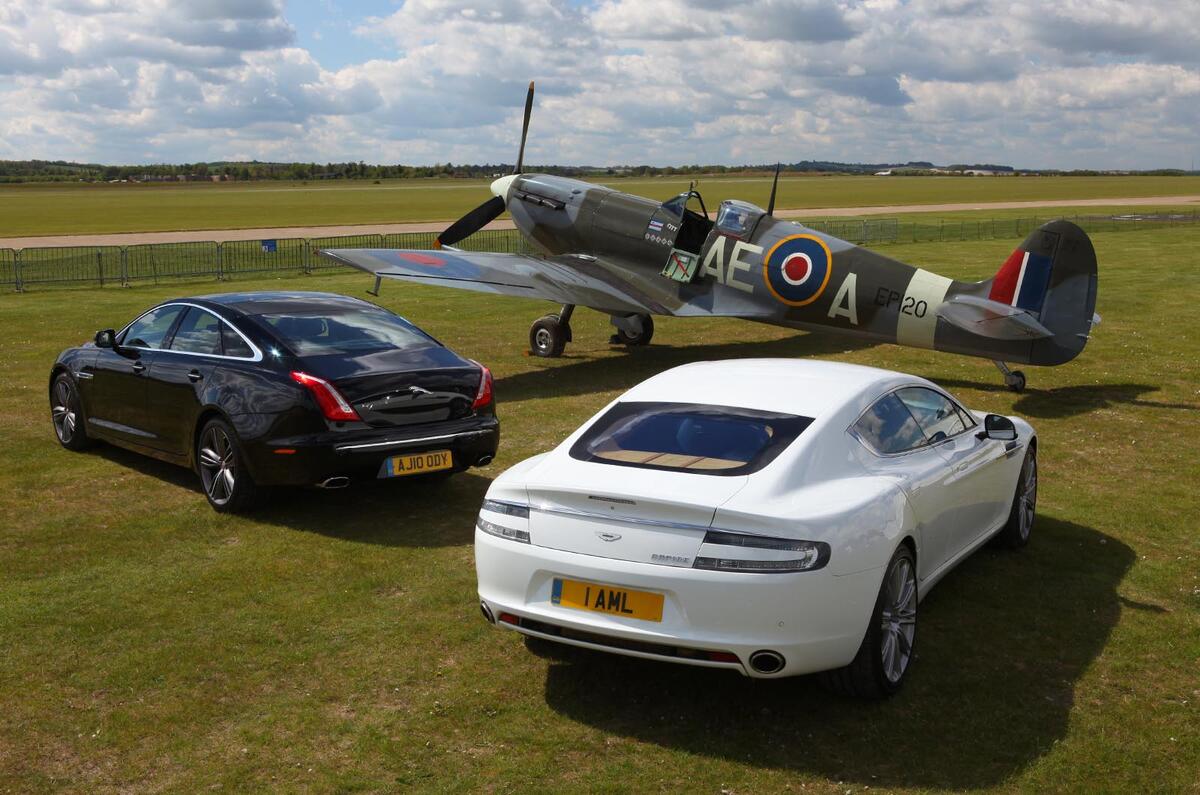
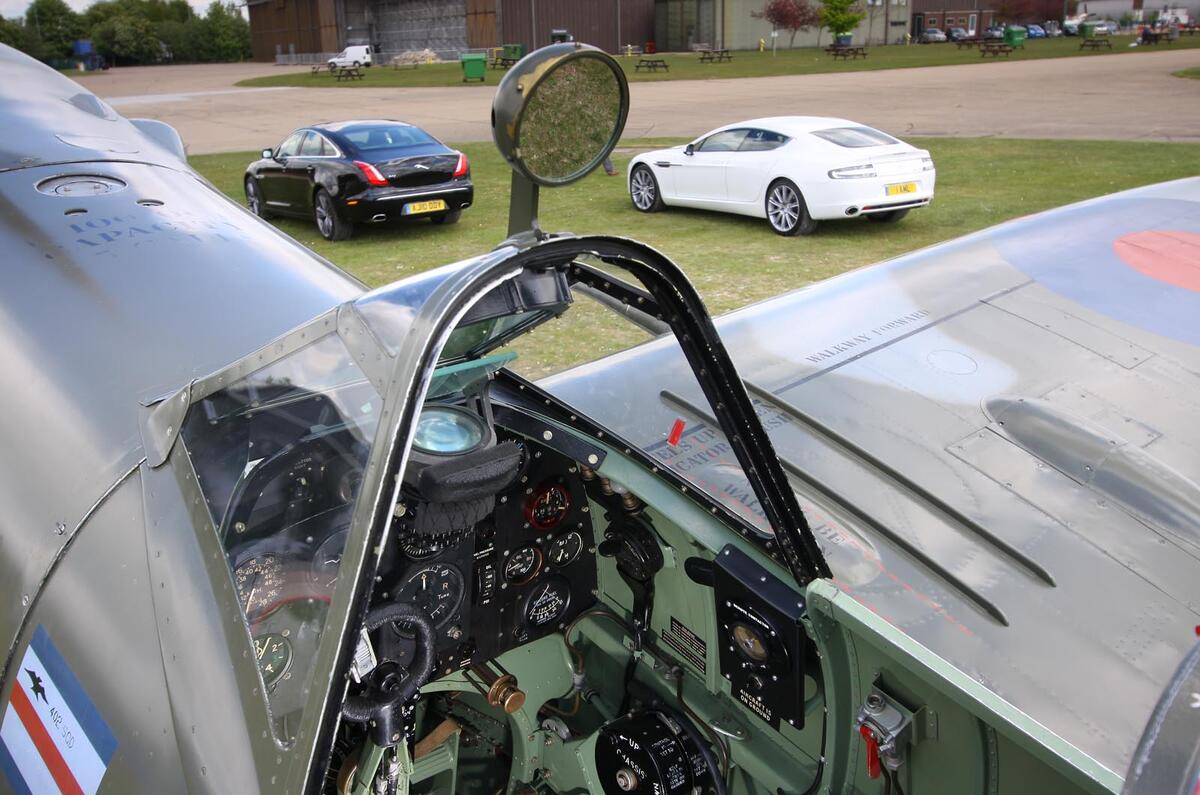
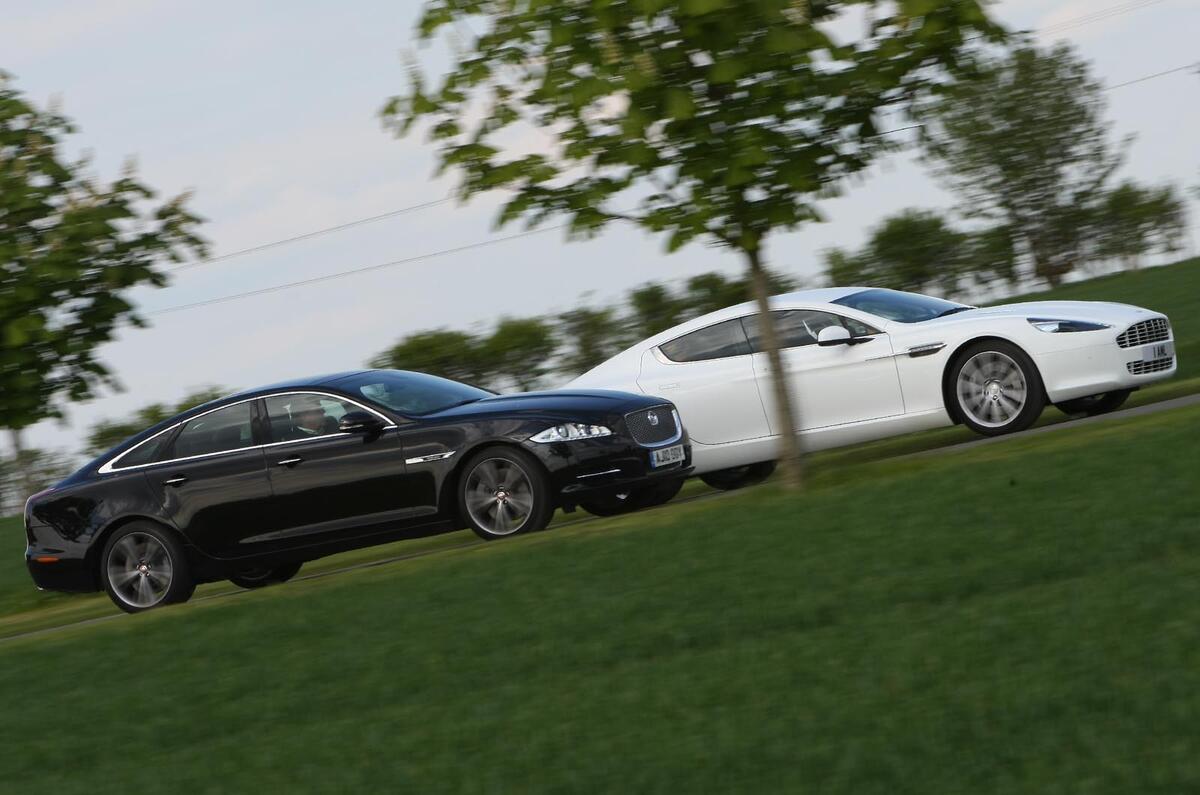
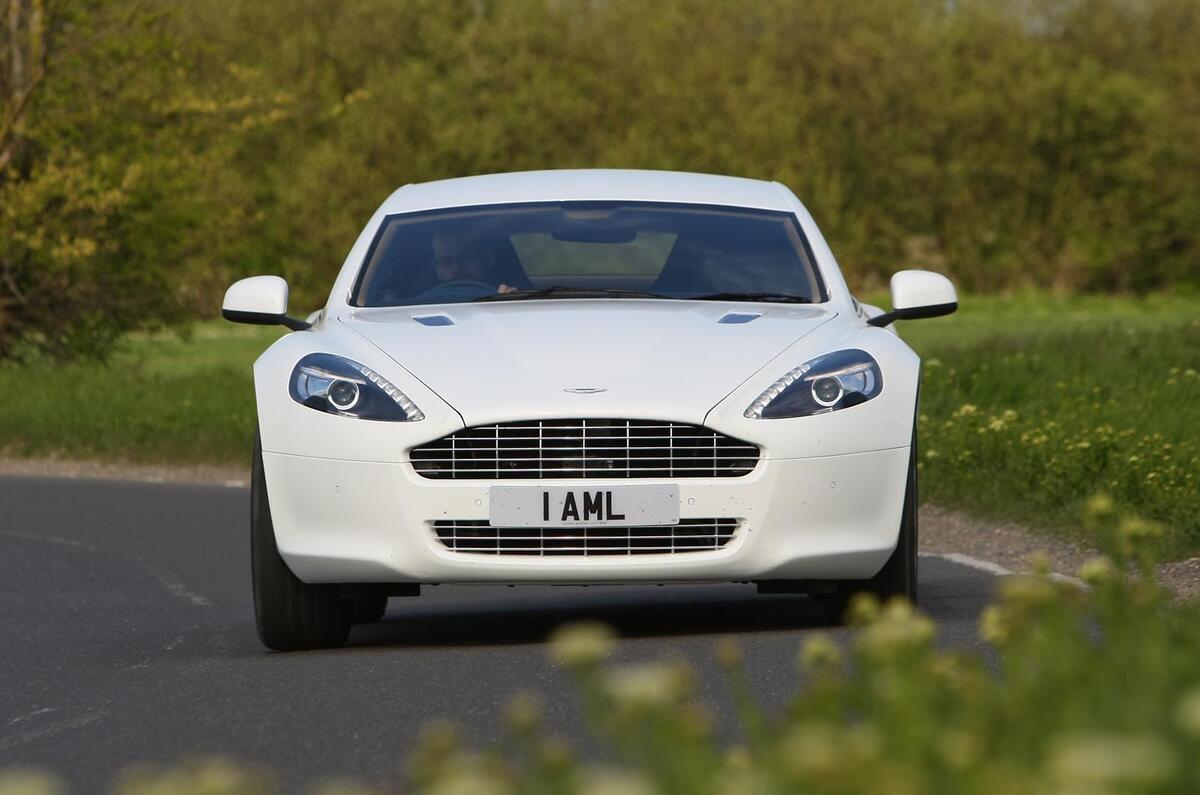
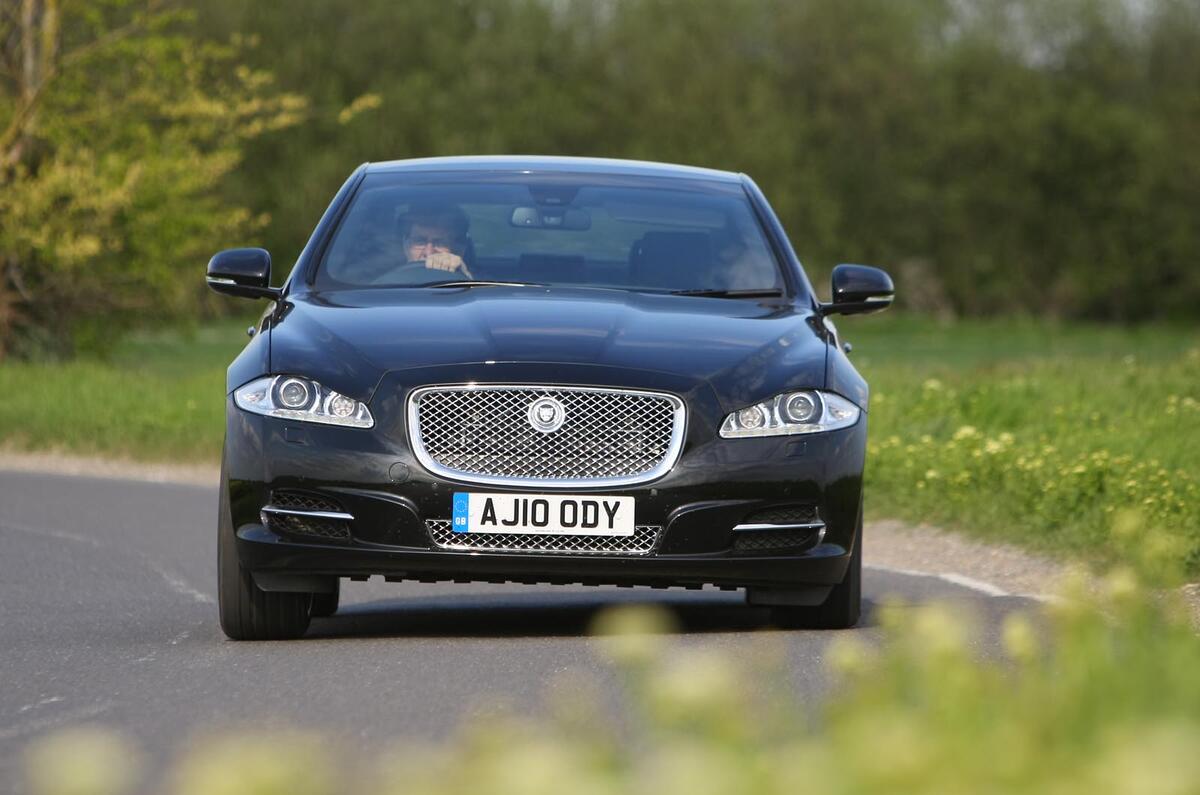
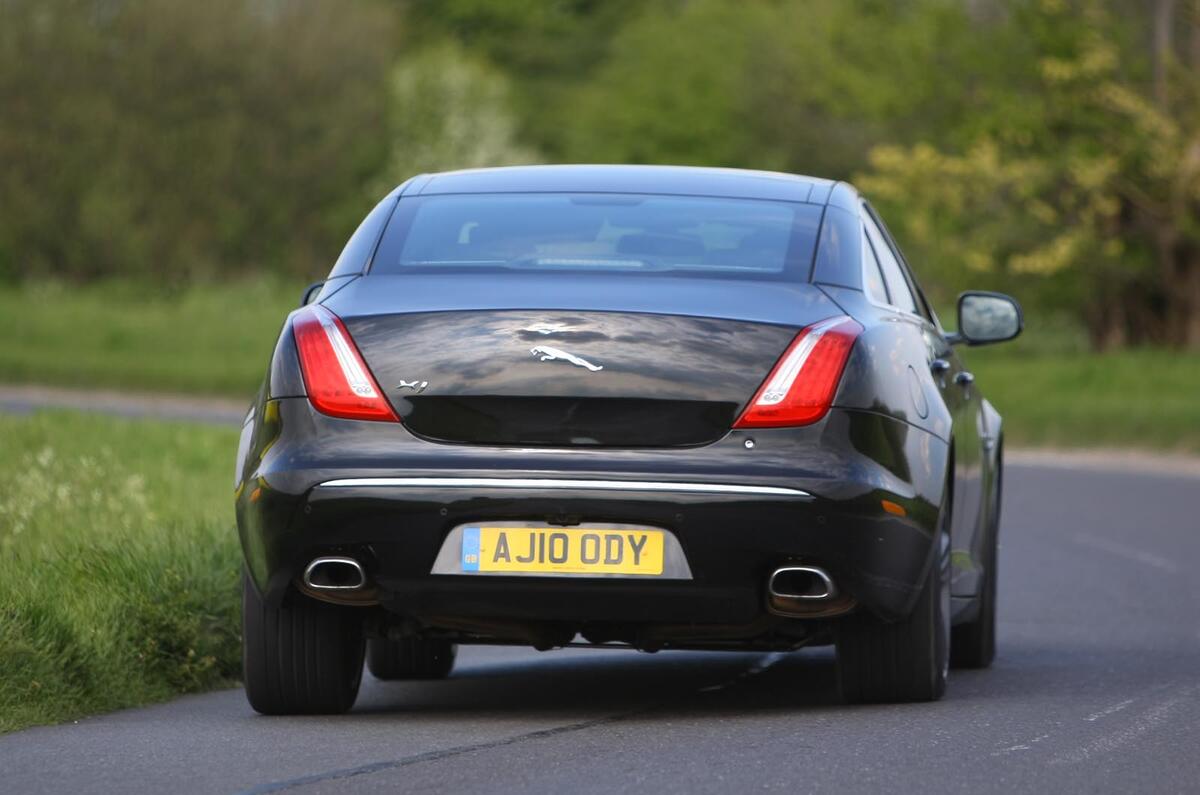
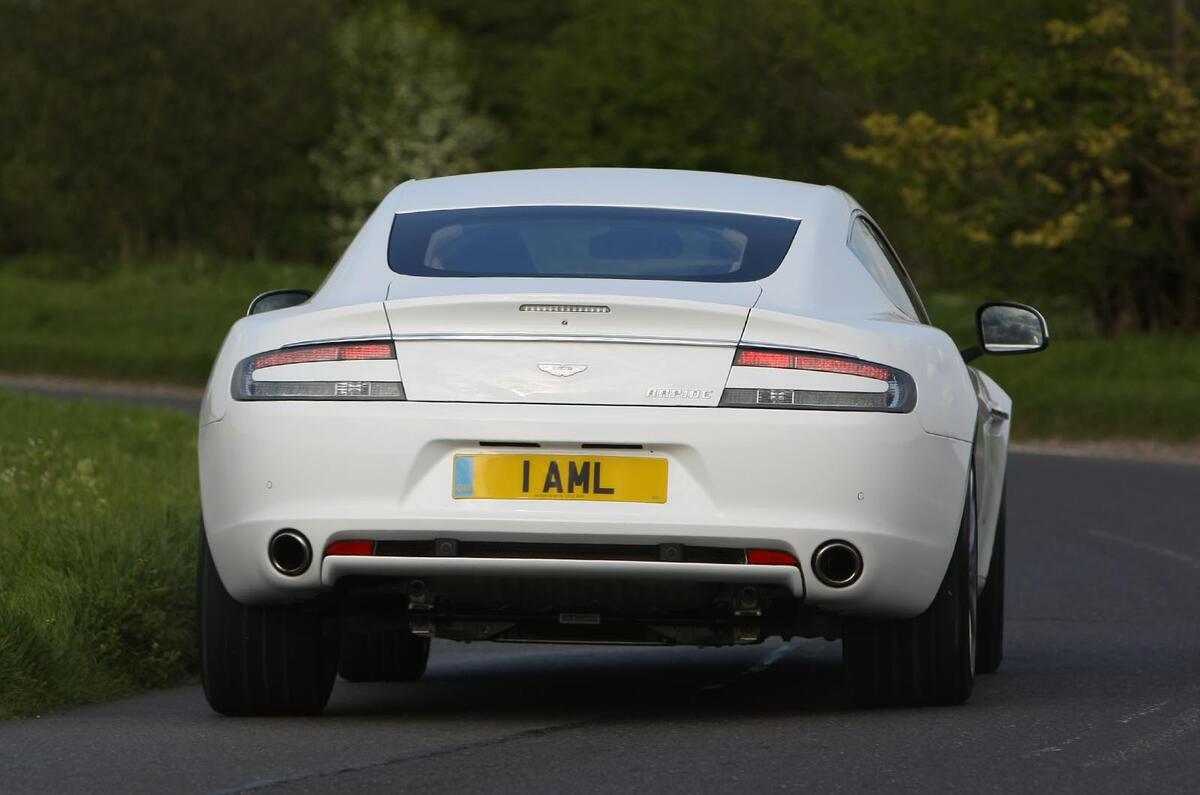



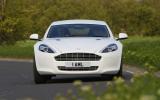

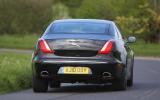


The Jaguar XJ Supersport and Aston Martin Rapide state-of-the-art mega-saloons have been pitched head-to-head.
Although they are separated by £55,000 - the short wheelbase Jaguar costs £85,000 and the Rapide £140,000 - they are very similar in many ways.
See the exclusive Jaguar XJ v Aston Rapide pictures
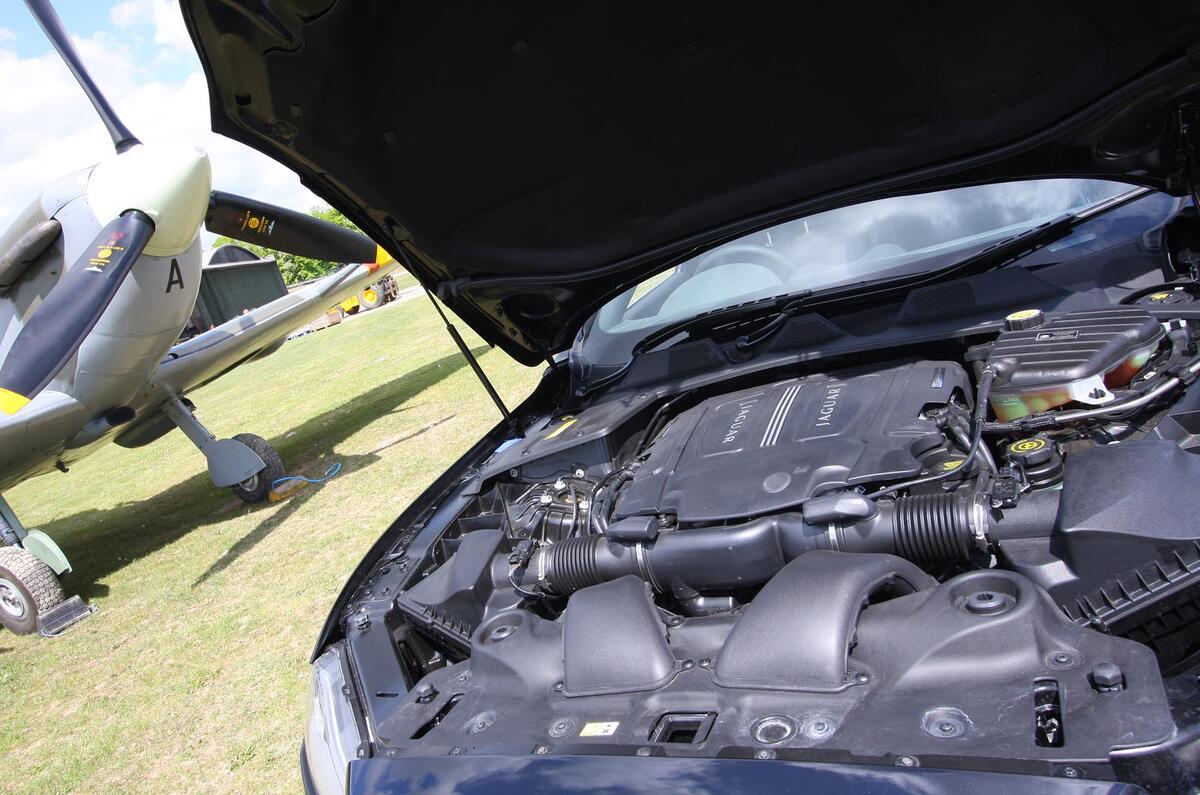
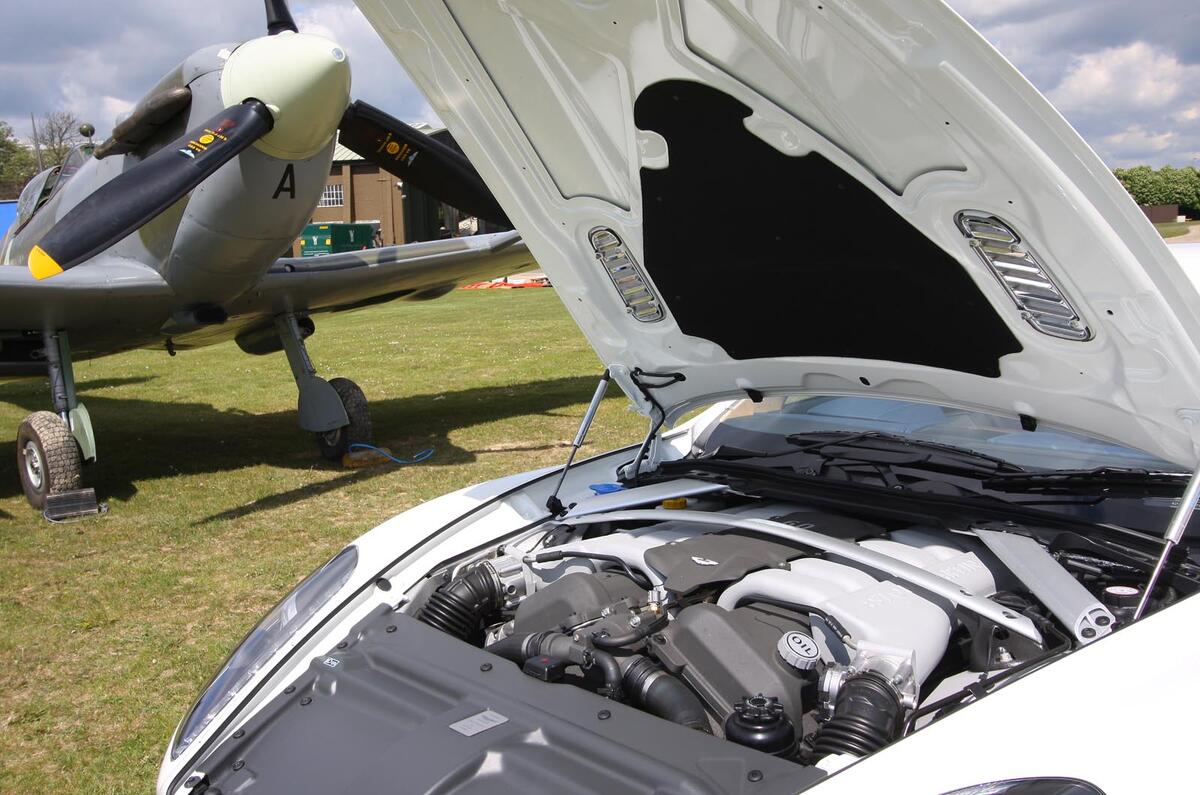
Both weigh close to 2000kg (the Jaguar about 90kg the lighter) and are a little over five metres long. Each has a large 'bent; engine mounted north-south in the nose.
But whereas the Aston has the kind of snug rear compartment you get by adding only 30cm of length to a coupe, the Jaguar has rear seats big enough for premiers and potentates, even before you specify the long wheelbase version.
On the road
In Supersports guise, the Jaguar's supercharged 5.0-litre V8 (503bhp at 600rpm) has a 10 per cent advantage over the Aston's normally-aspirated 6.0-litre V12 (469bhp at 6000rpm). The Jaguar's torque output of 461lb ft at 2500rpm just shades the Aston's 443lb ft at 5000rpm.
These figures translate into genuine high-performance. The Jaguar easily achieves the 0-60mph sprint in 4.7sec, but is limited to 155mph. The Aston achieves 0-60mph in 4.9sec, but will go on to 184mph. On the roads of Essex there was no perceivable performance difference between the two.
The engines are fairly different, though, in smoothness and sound. The Aston's V12 starts with the brief, even whirring of a starter motor, then bursts smoothly into life with a sound so sophisticated and seamless that there is hardly a clue to the fact it's made up of separate impulses. Rev the engine and it gets a little louder but no rougher.
The Jaguar is quiet and smooth, of course, just as its limo character requires. But what surprises you is its guttural growl at full noise, along with the muted but unmistakable whine from the blower. This is a British luxury car with the merest whiff of Nascar available on request.
There are other quirks about the XJ's character. The car's ride is quite a lot firmer and sportier than equivalent Audi, Mercedes or even BMW models. Its suspension rates are variable via a push-push Sport button on the centre console, and there's a Dynamic mode that also varies the steering weight, accelerator response and transmission regime.
The XJ has grip and directional ability to match the very best, along with a sweetly responsive steering system that feels tauter when you select Sport and then Dynamic mode. It's a big car, though, and you sit higher than in the Aston, so it feels a little more cumbersome in tight going.