


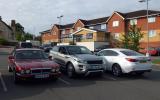
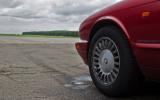
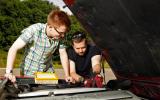


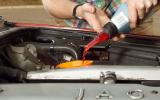
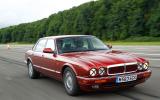
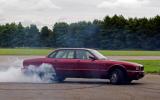
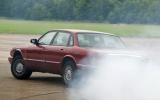


Editor: “How cheaply can you do 150mph?” “Five hundred quid,” I said, confidently.
“Well, you’ve got five days,” came the reply. Worse still, my mission wasn’t to find any old lash-up, but a clean and usable car with some tax and test to its name.
My mind started whirring. Before I’d even got to the classifieds, I was mentally shortlisting the likely candidates for the job, like the V8-engined Lexus LS400, a BMW 7-series or numerous turbocharged Saabs and Volvos. A quick bit of research later and the Lexus remained the favourite, although others like the turbocharged 20v Fiat Coupé and Vauxhall Omega V6 had promise.
A methodical trawl of every classified site available eventually dug up two candidates that were nearby and potentially within budget. One, a clean-looking 1996 Lexus LS400, would have been capable of around 155mph when new. It was ready to go and the seller was open to offers, but I was ultimately outbid.
The other, a 154mph Alfa Romeo GTV 3.0-litre V6, had covered an interstellar 221,000 miles and was up for £800. I rang up and told the dealer I’d give him £500 for it, on the basis that I was probably the only person on the planet who would actually buy a GTV with 221,000 miles on the clock. He said something unrepeatable, which closed that particular line of enquiry.
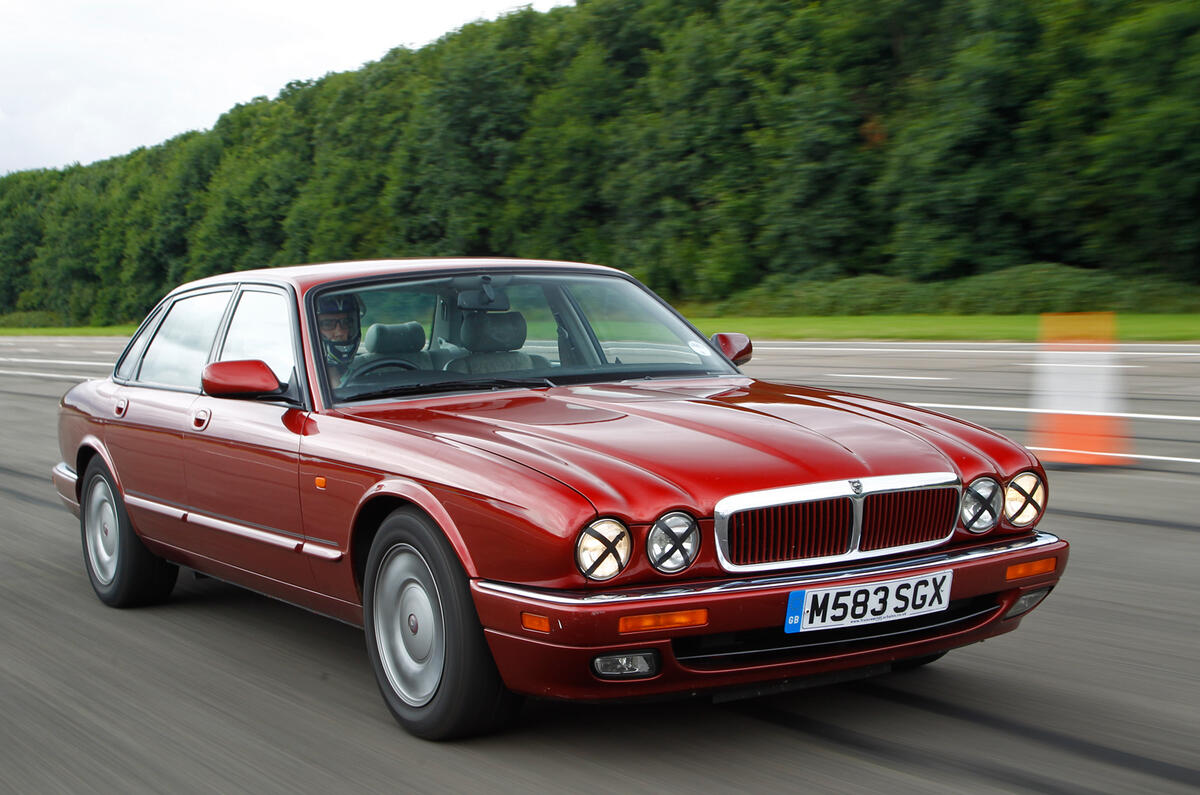
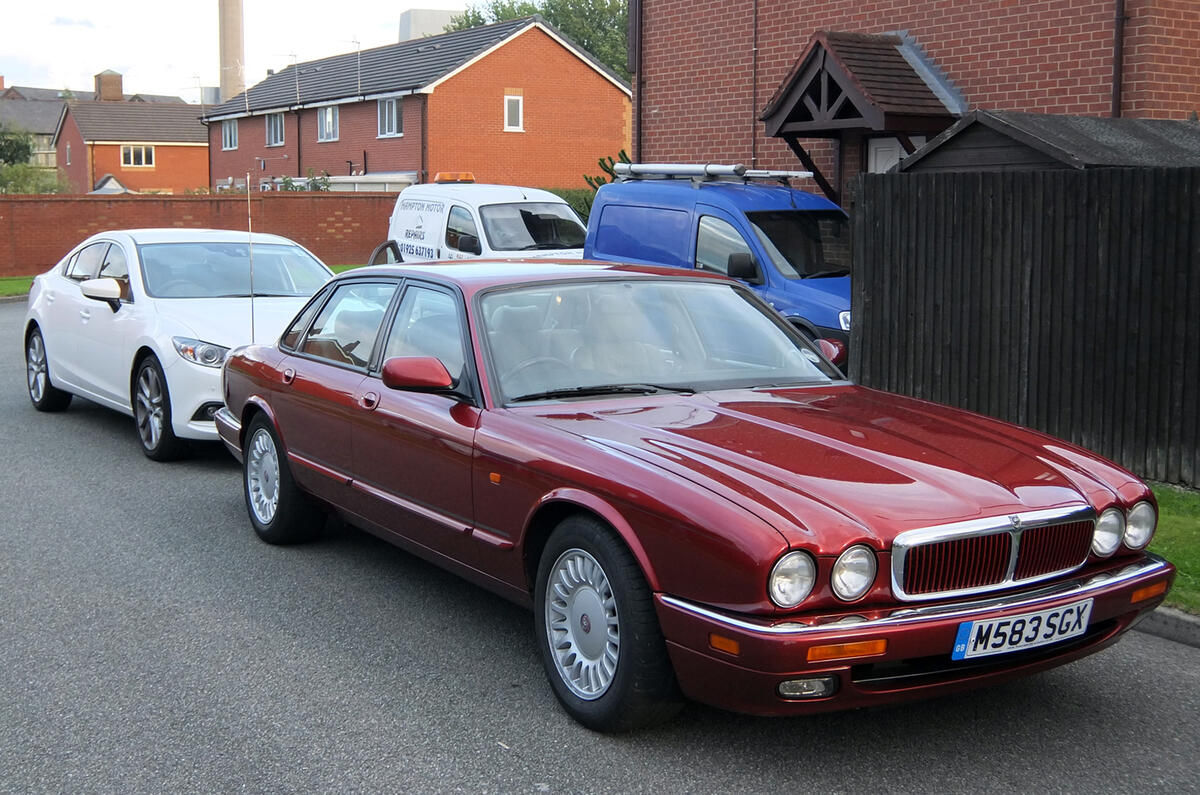
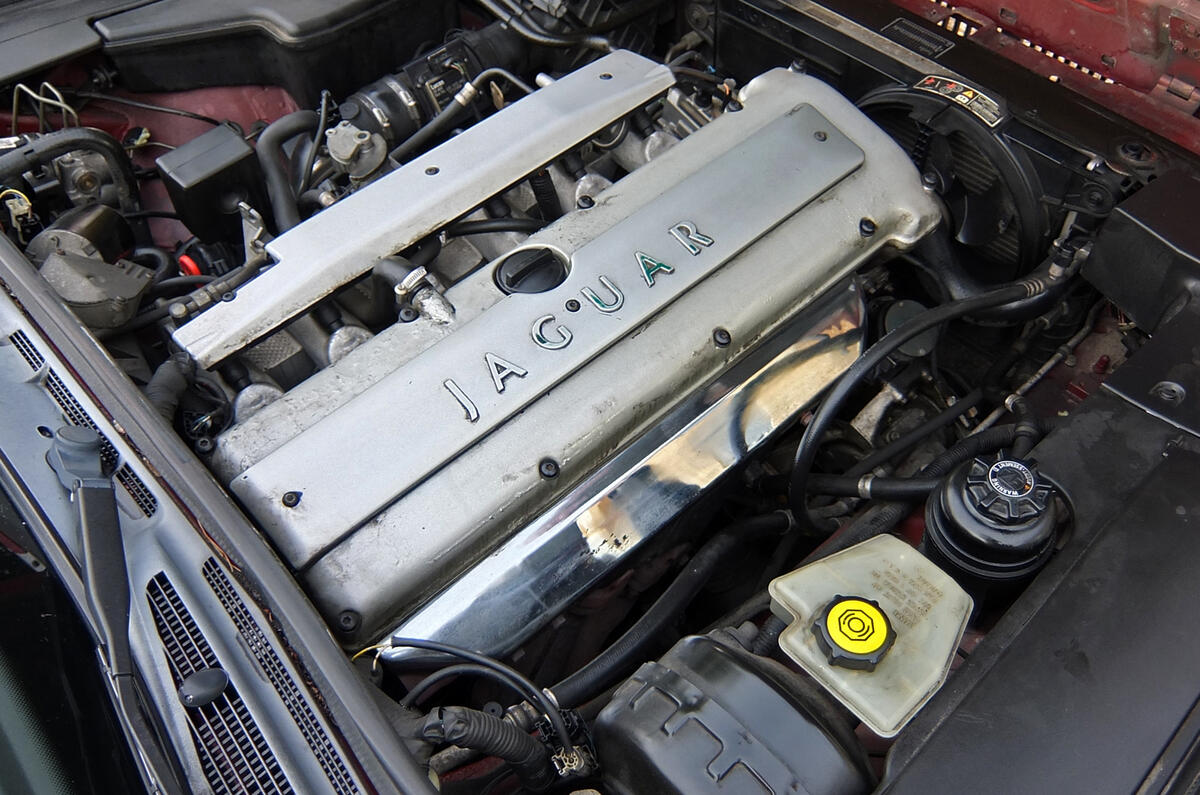
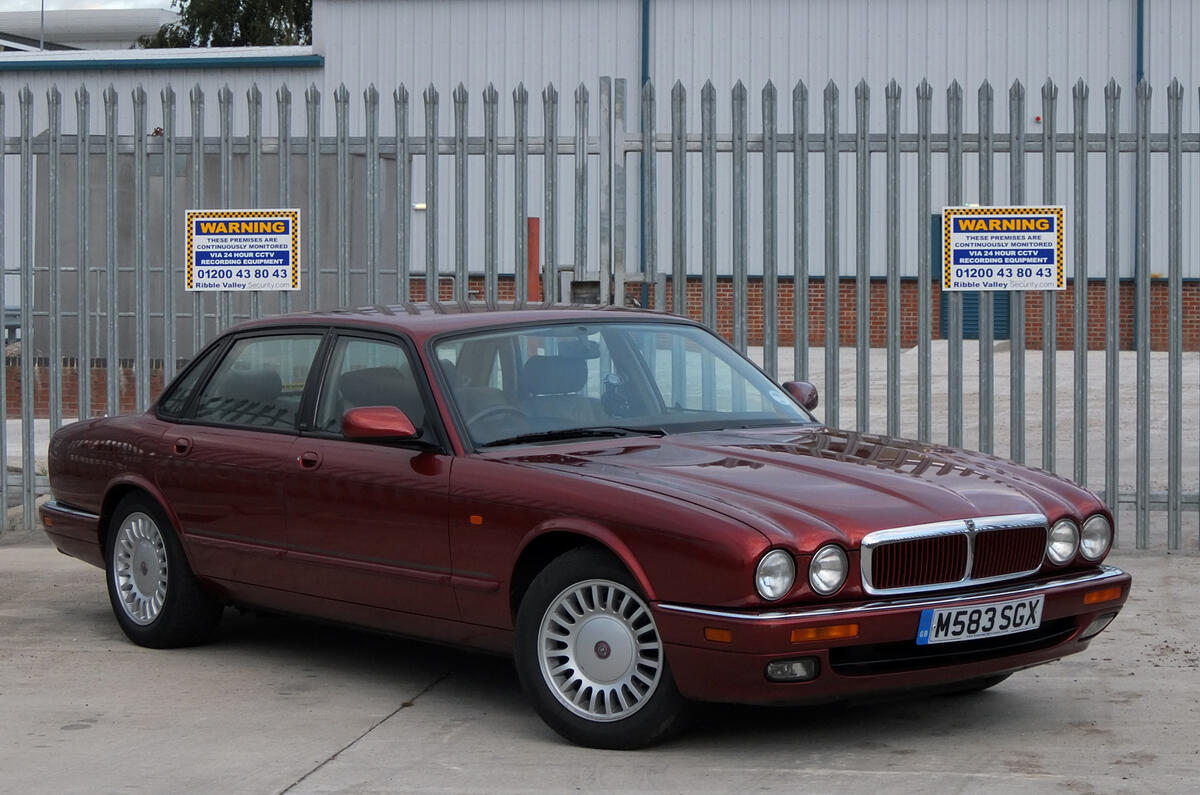
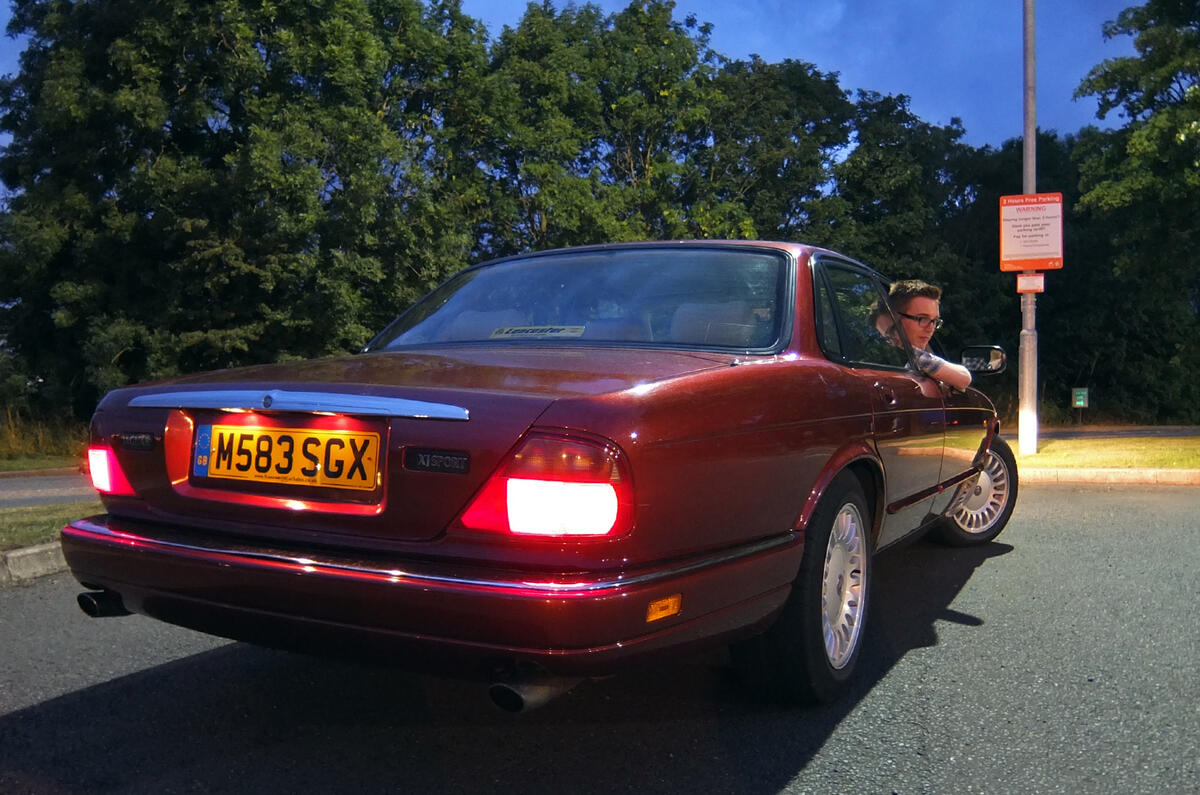
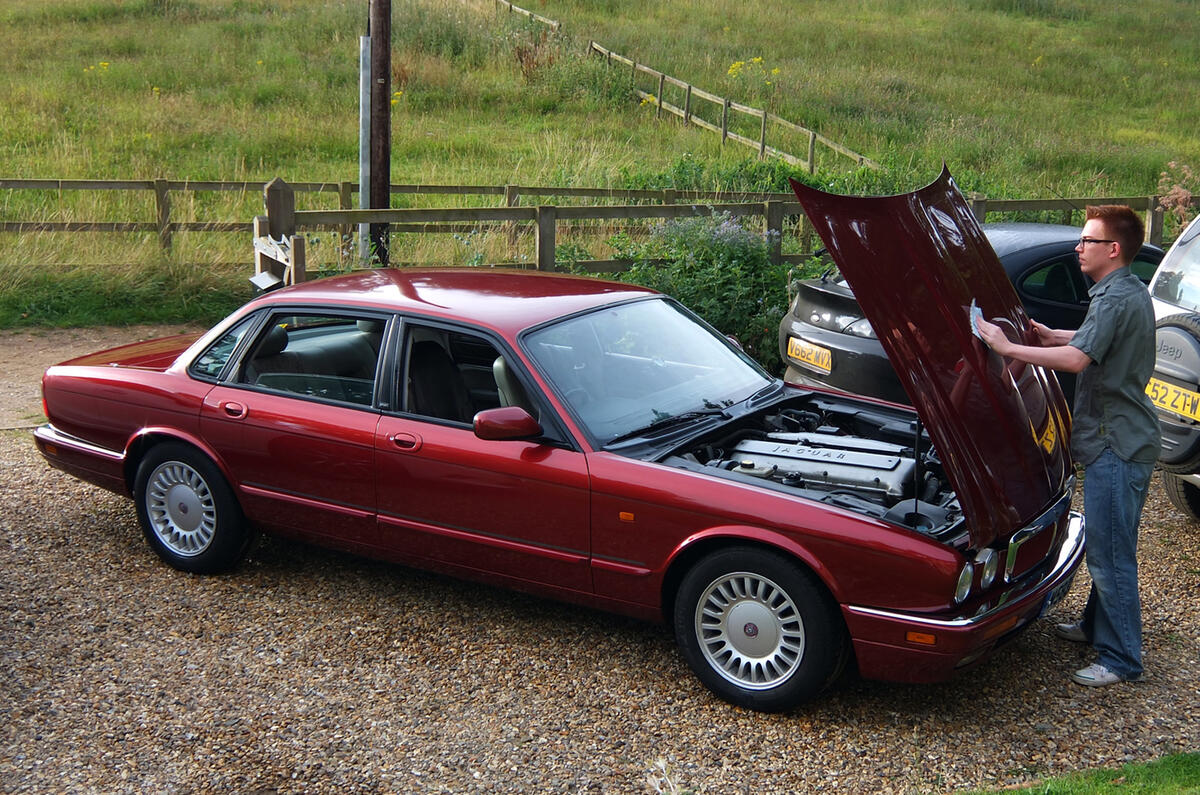
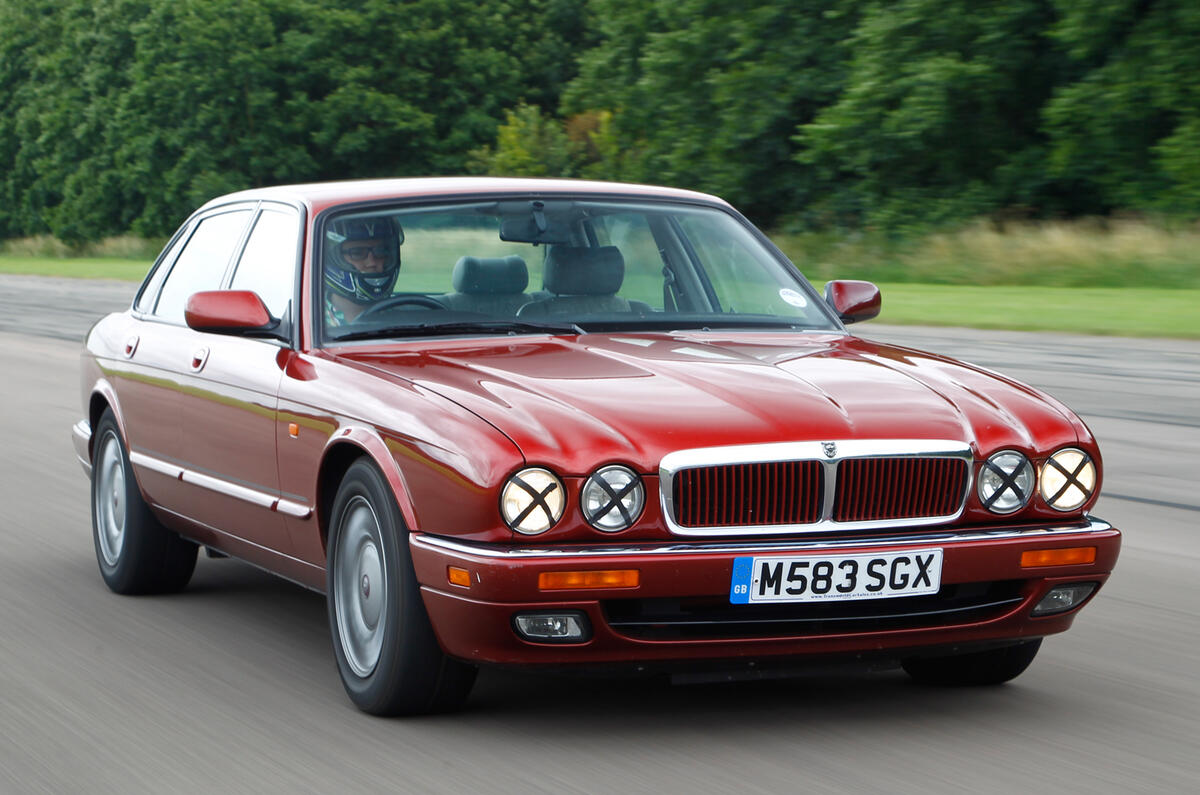
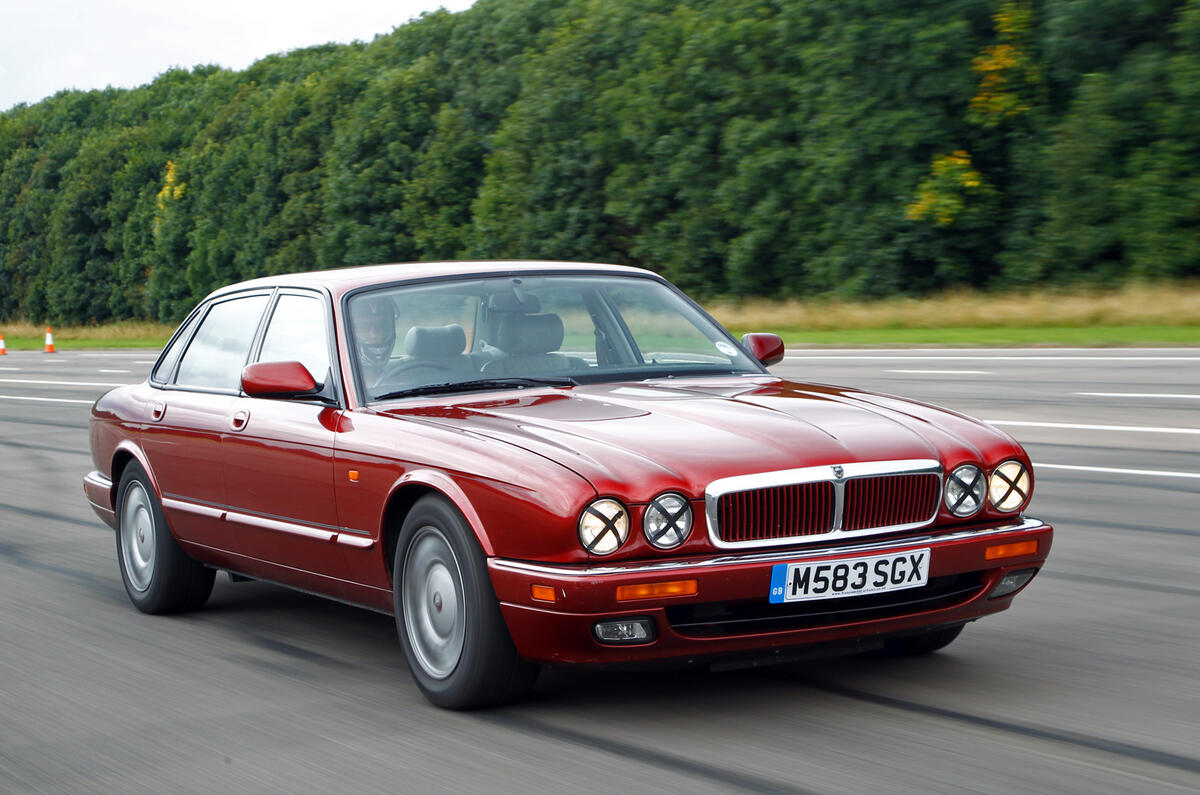
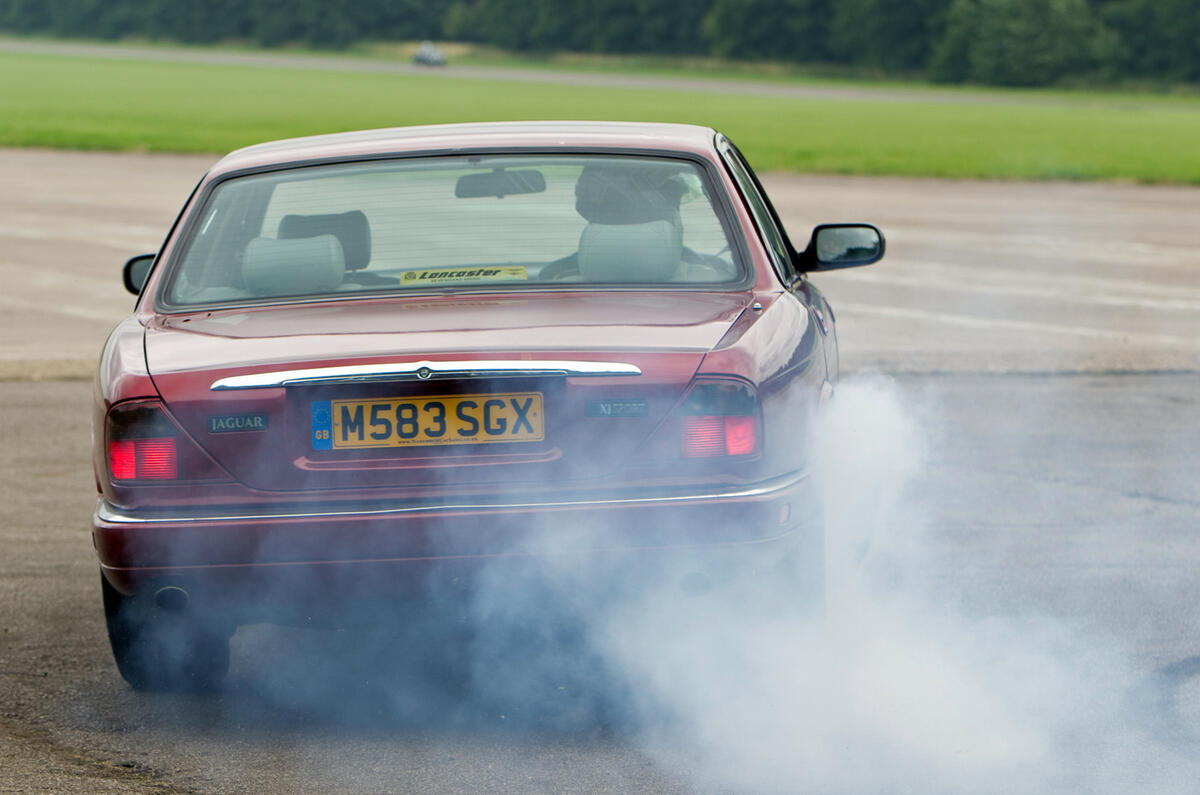
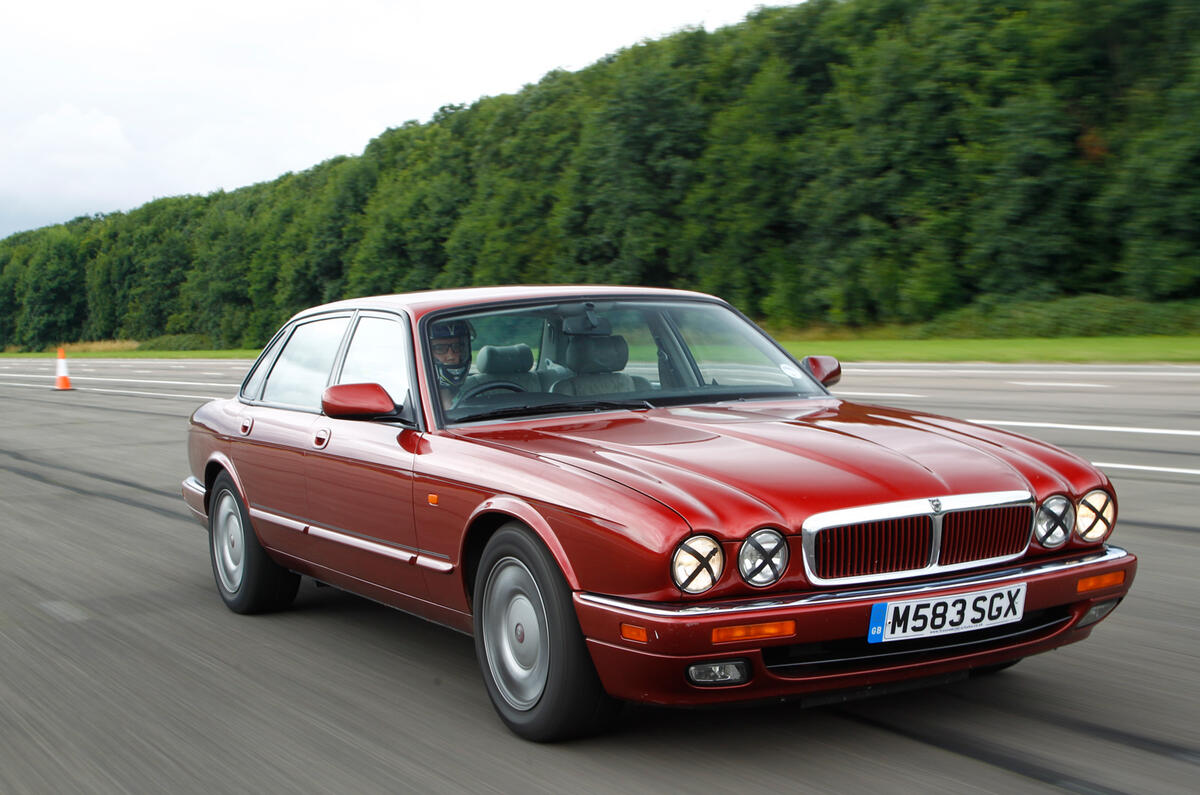
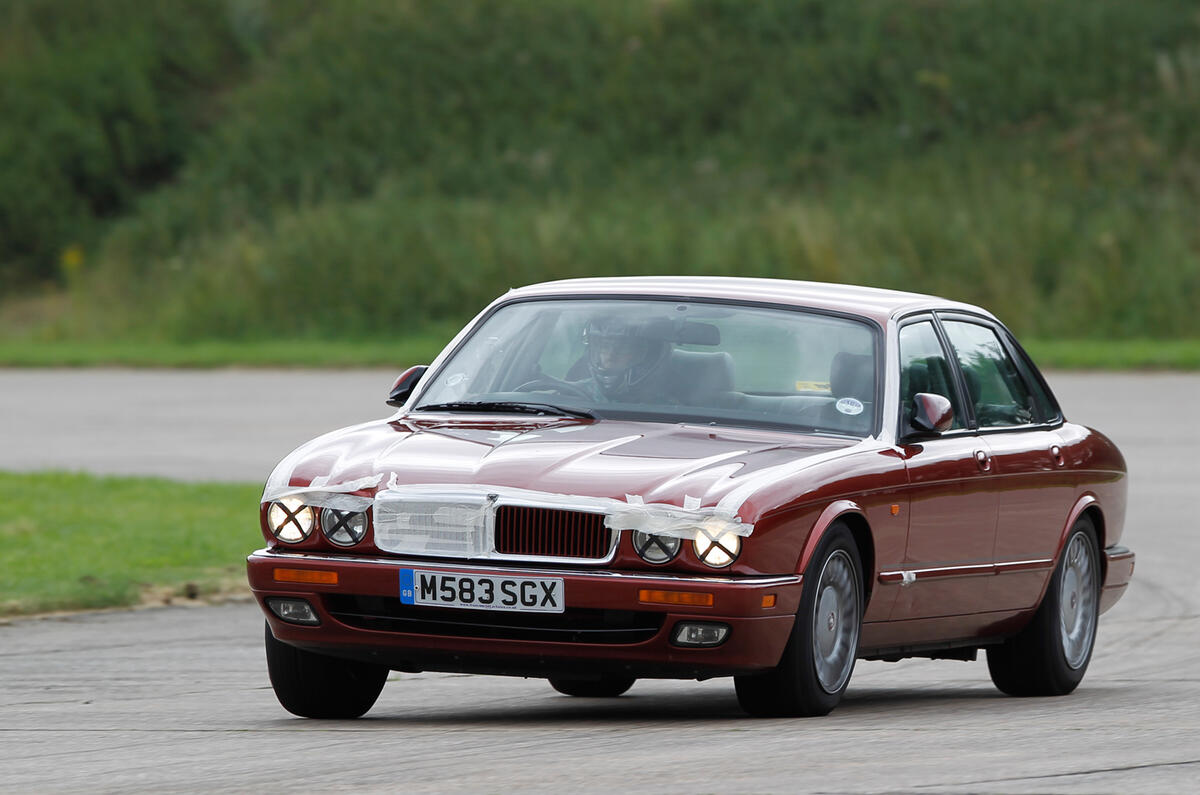
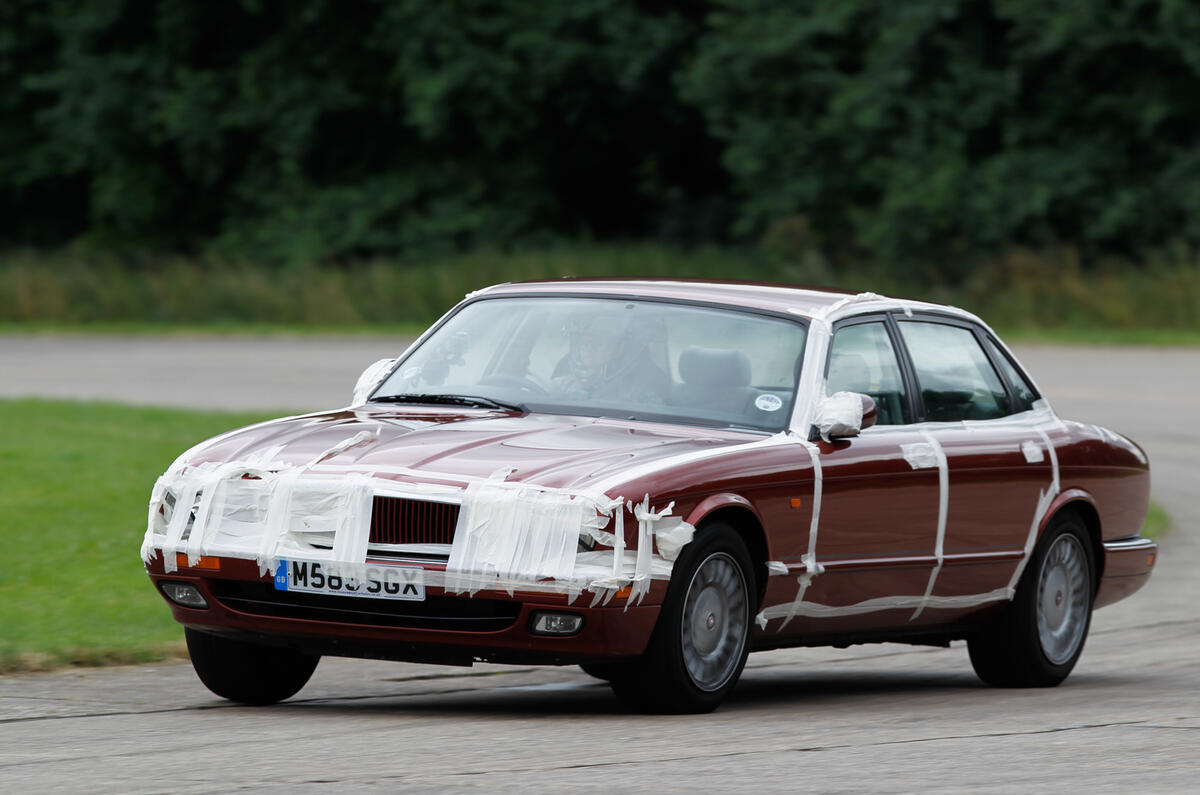
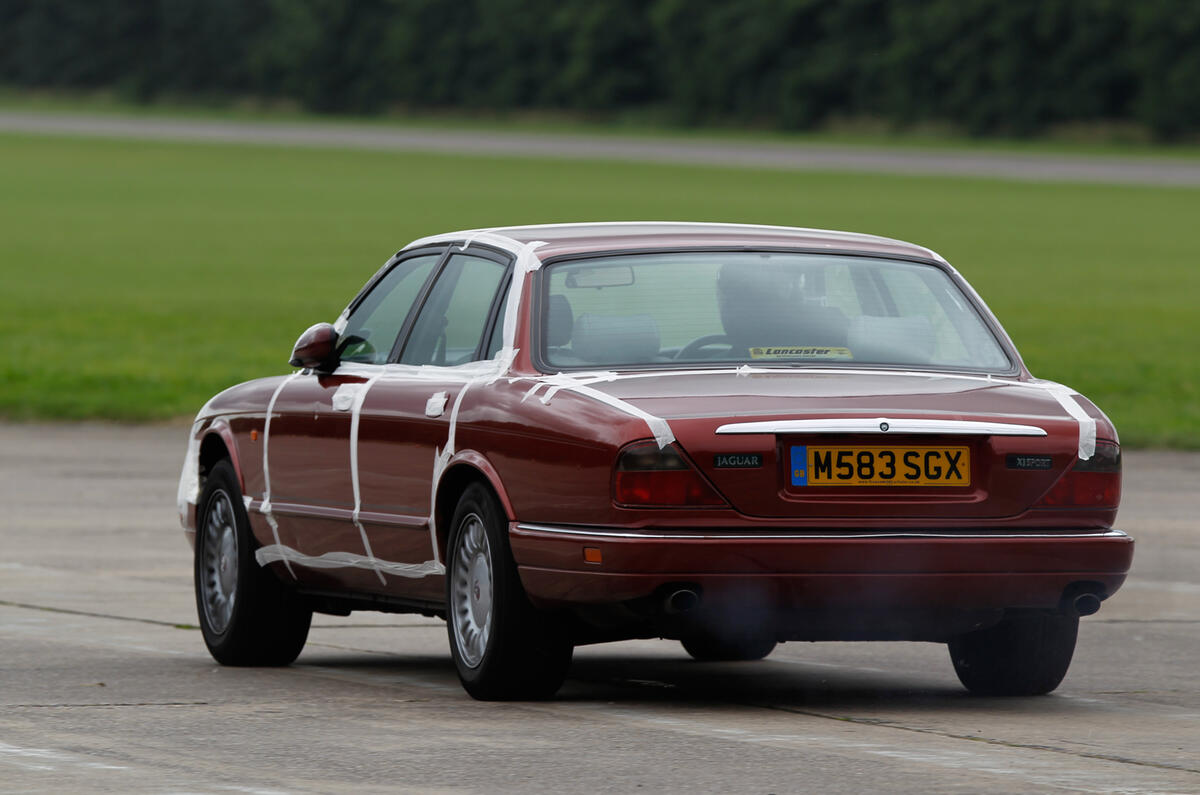
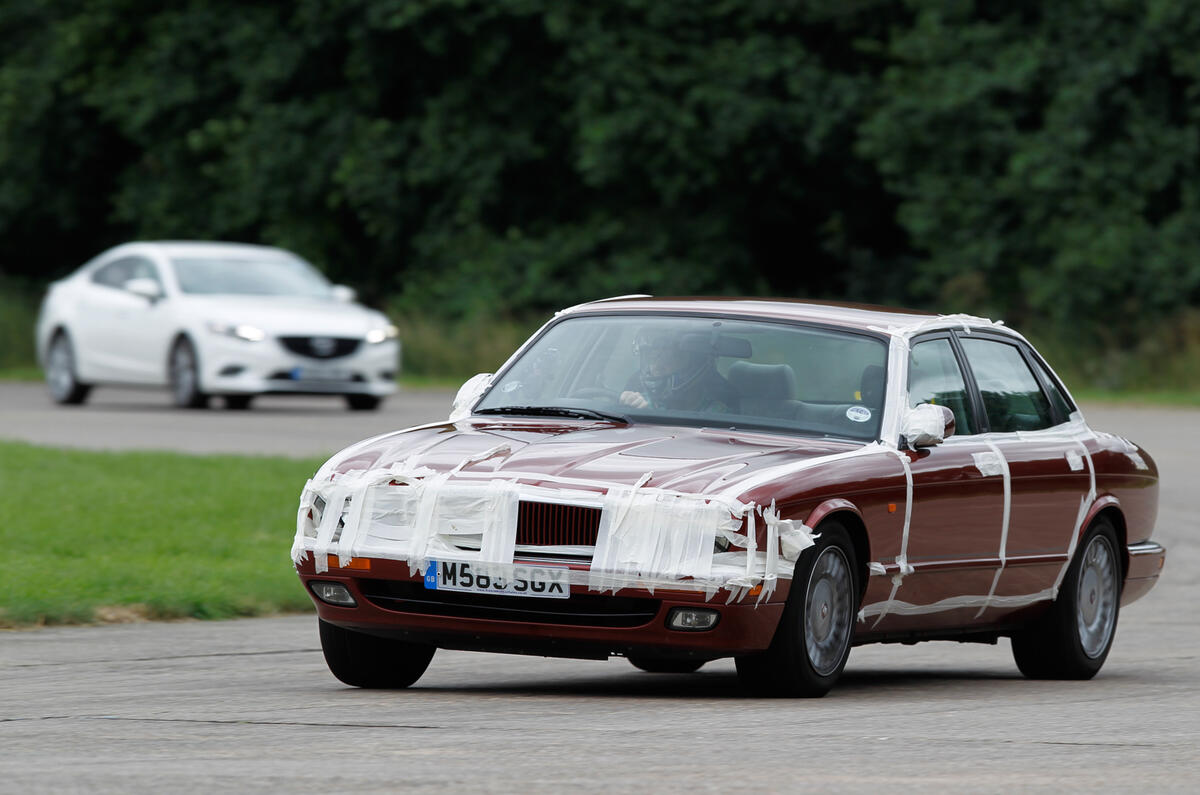
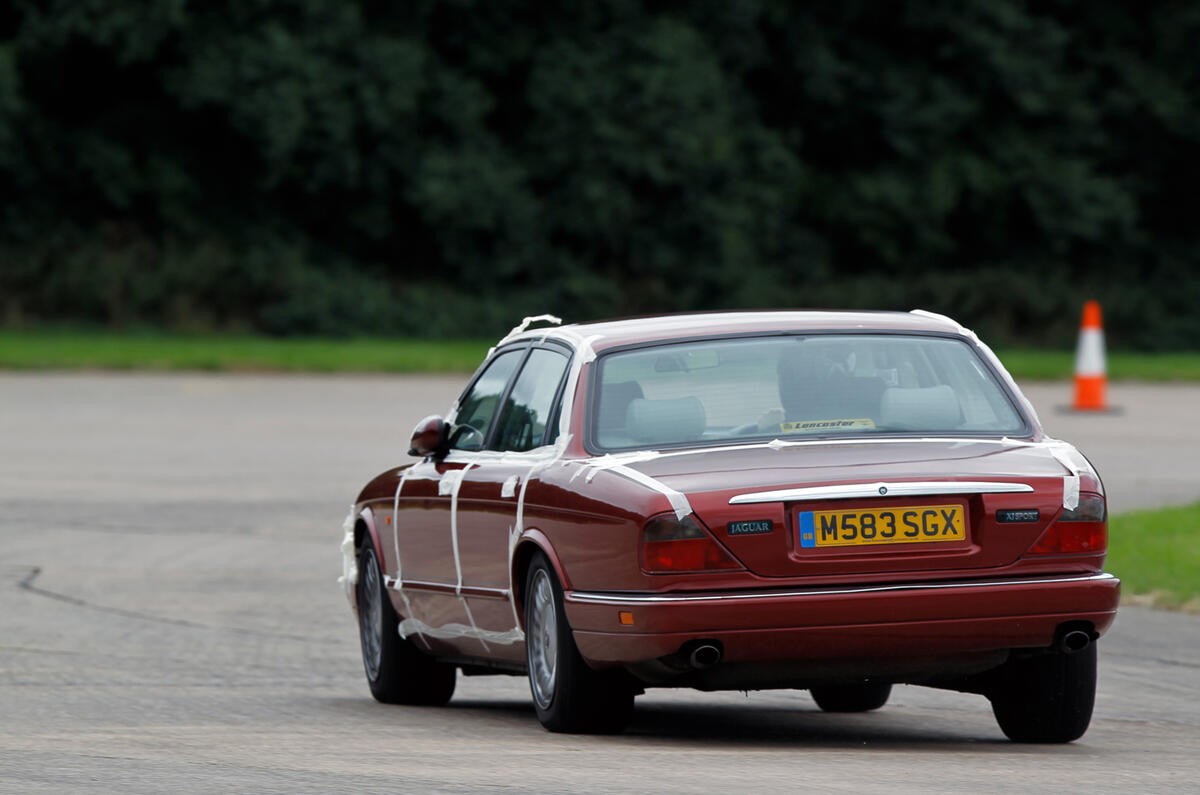
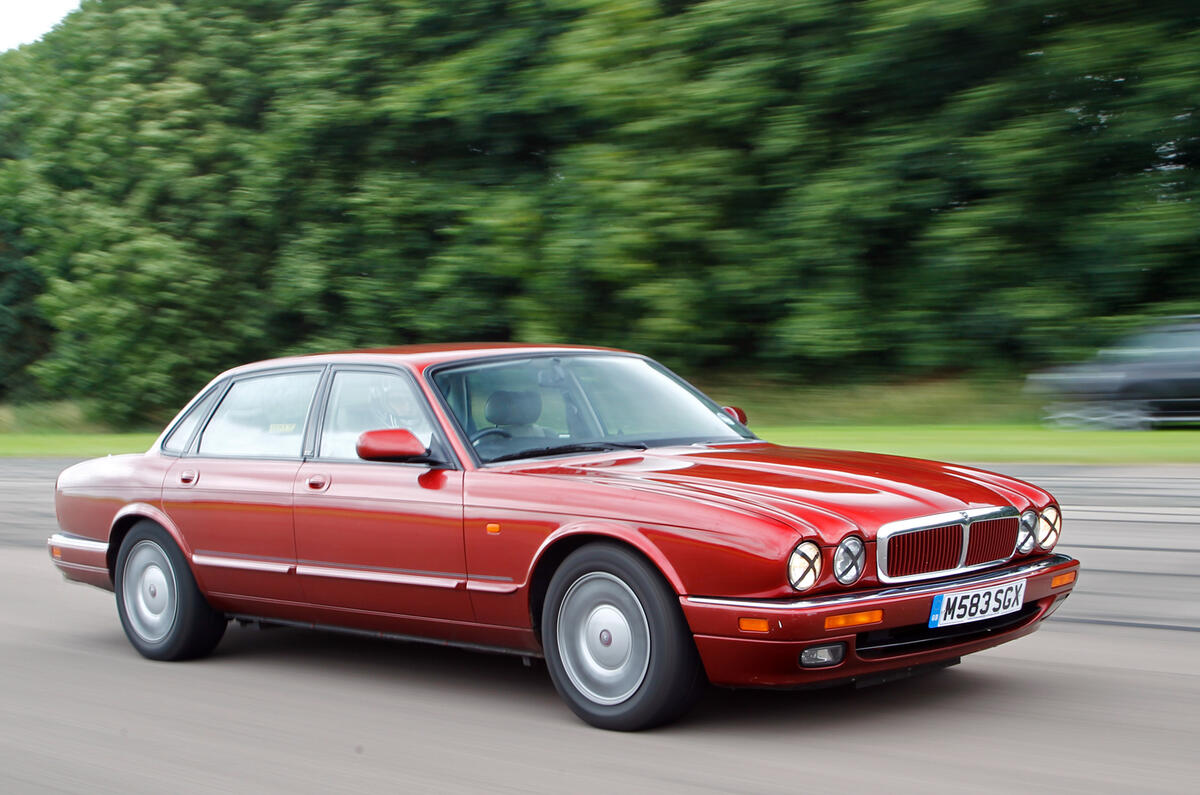
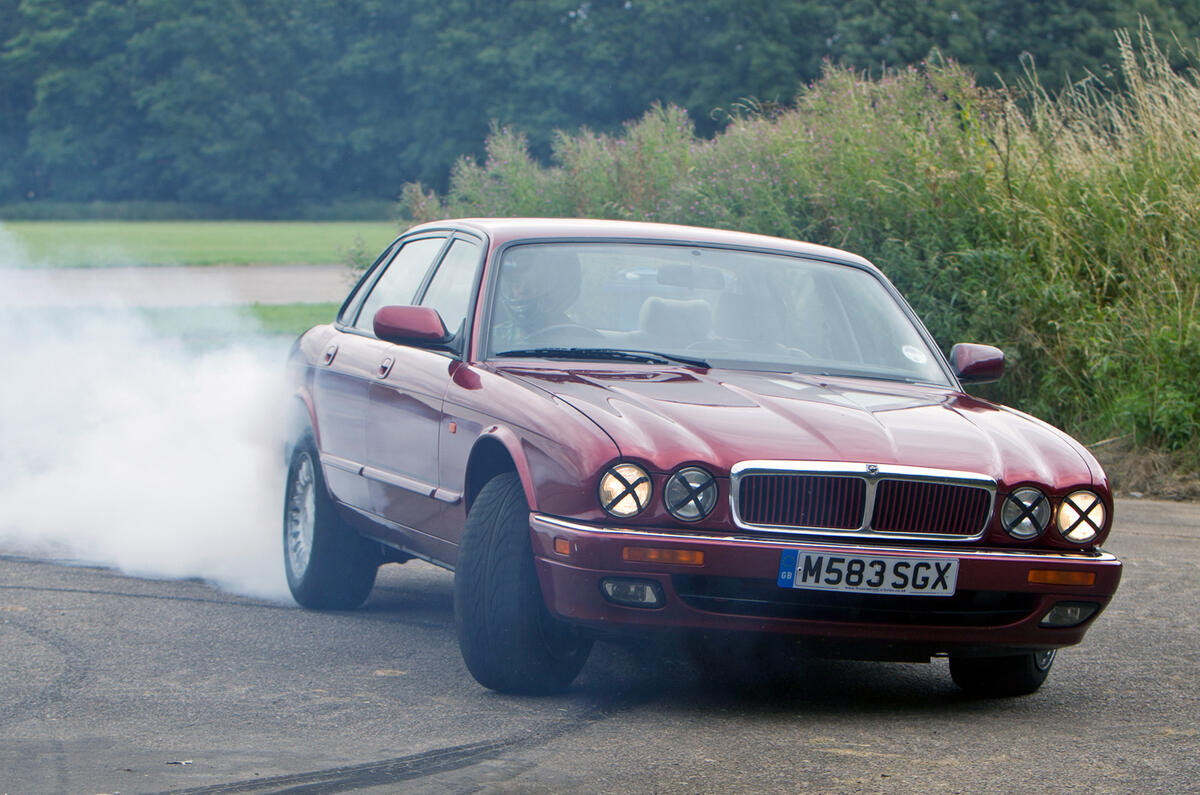
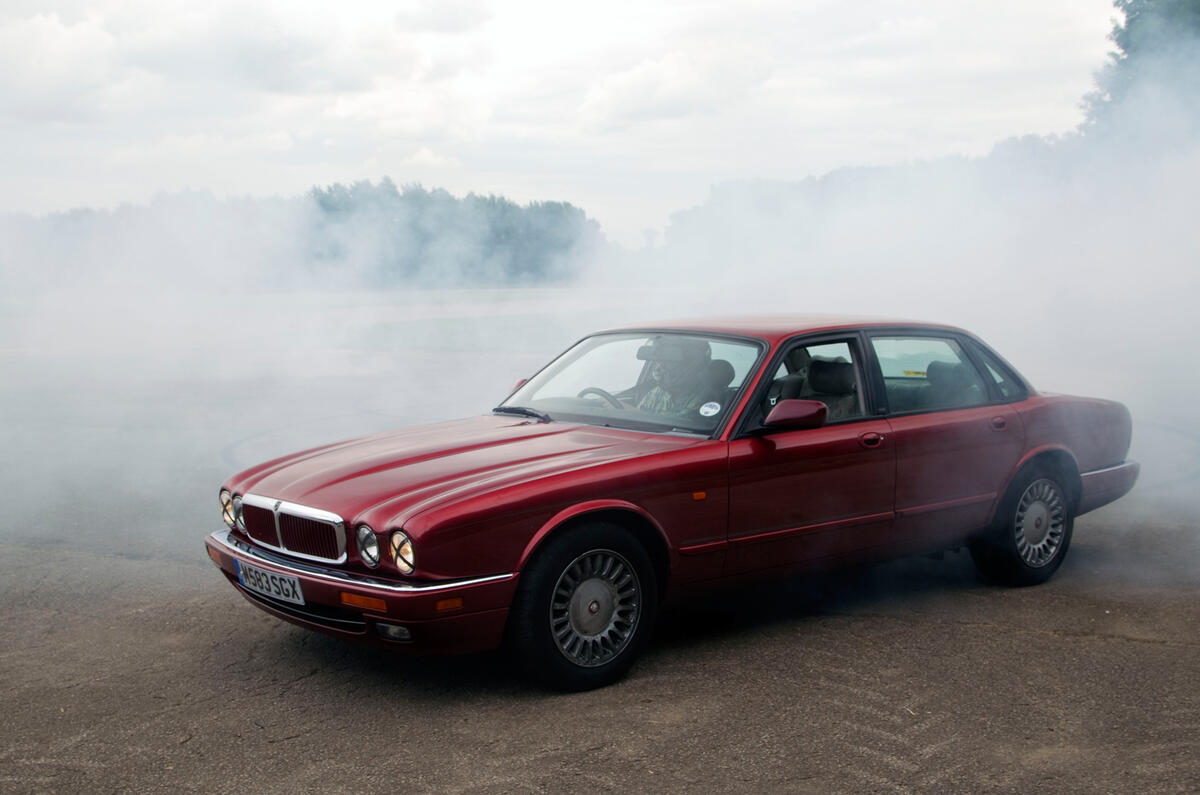
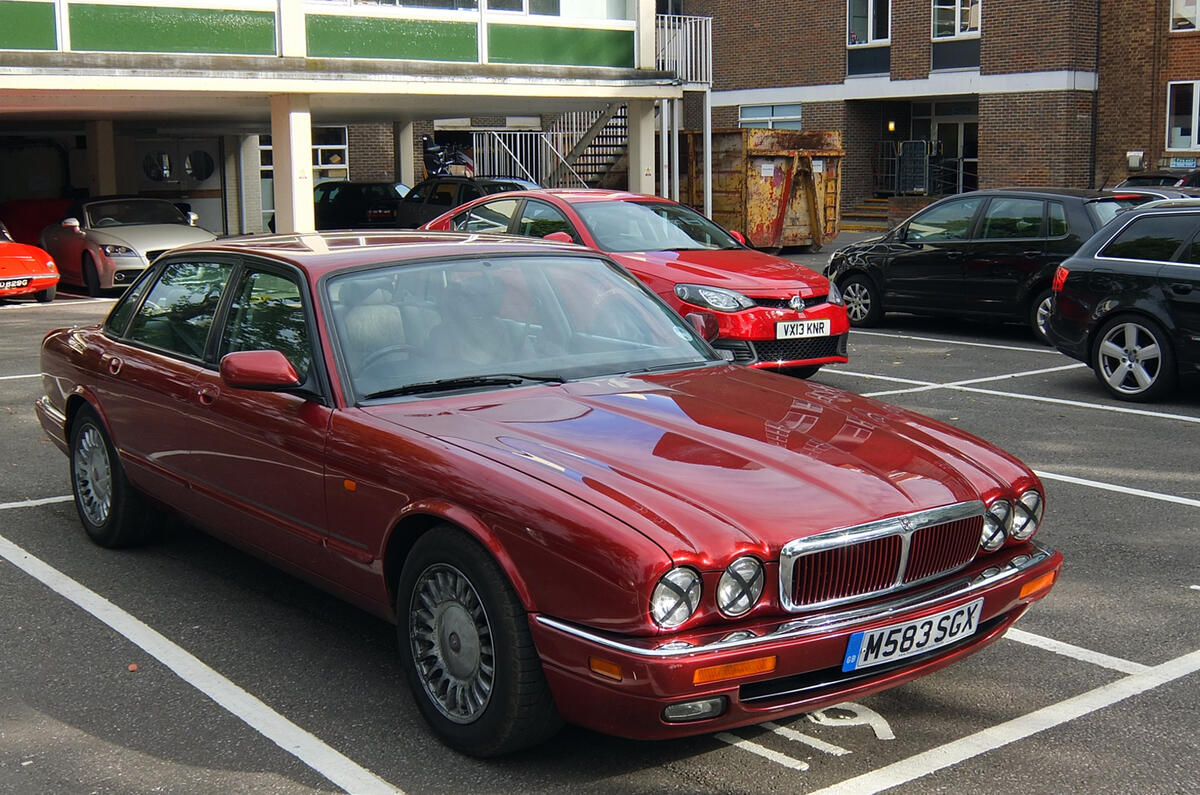
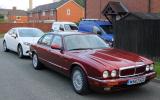
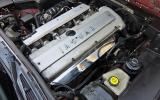
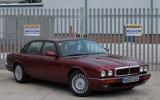
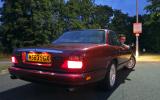
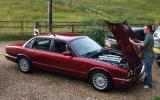
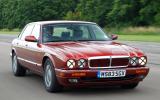
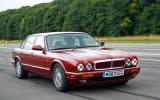
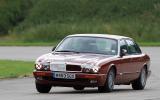
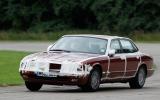
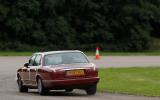
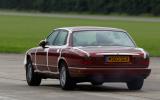
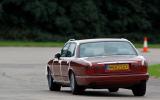
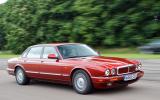
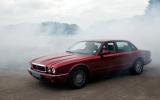
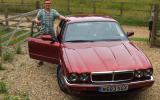
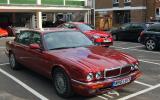
With the deadline rapidly approaching, I started widening the search. Then, there it was: a classified advert for a 1995 Jaguar XJ Sport, with the smooth and durable 4.0-litre ‘AJ16’ straight six. When it was factory fresh the XJ would have been capable of clocking 143mph, but I convinced myself that Jaguar had probably downplayed its top-end performance in order to create a bigger differentiation between it and the 155mph supercharged XJR.
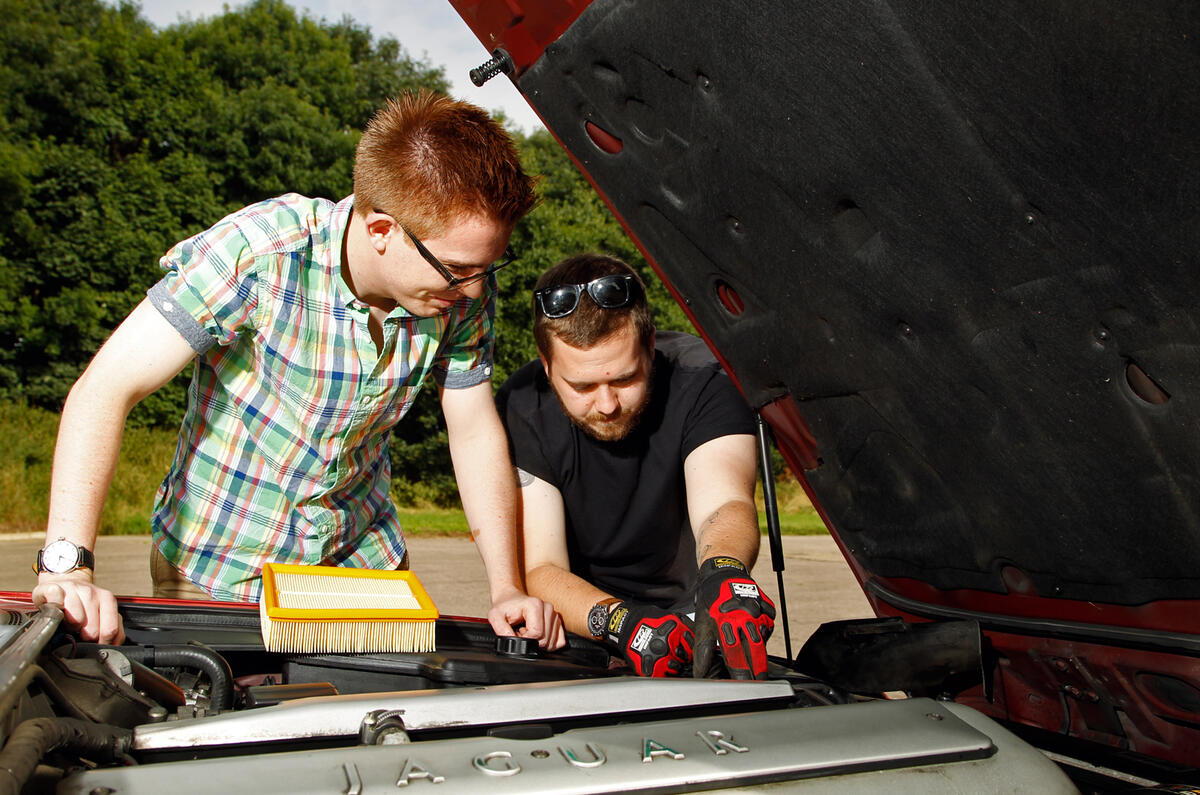
The XJ's engine also benefitted from a timing chain, rather than a belt. So many cars on my list used cambelts, which were all no doubt long past their recommended servicing intervals. I dreaded the thought of hearing a distant 'snap' and the subsequent terminal chatter of valves being introduced to pistons at a vast rate of knots.
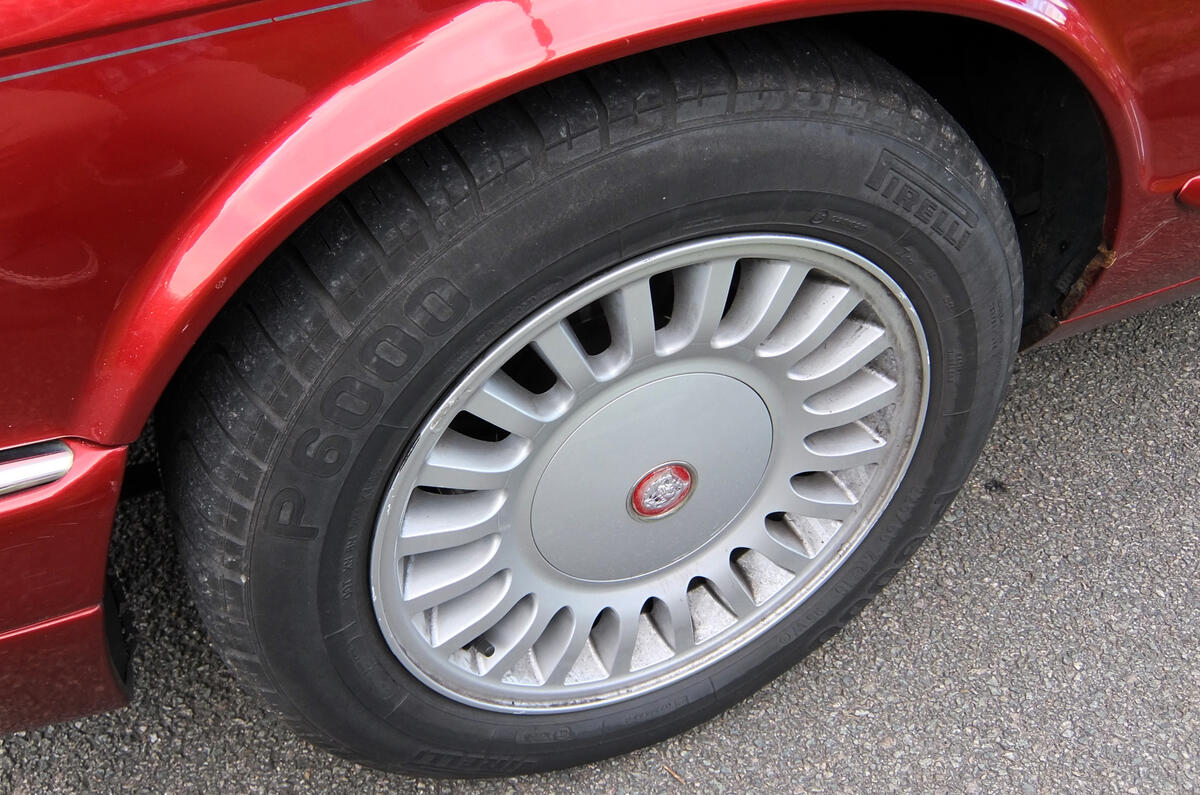
A quick bit of bistromathematics suggested that the Jaguar was theoretically geared – on its current wheel and tyre combination – to do over 160mph. I just hoped the XJ wasn’t a tachophobic. It was advertised for £575, but I figured the seller would probably take £500 cash for it and put in a call.
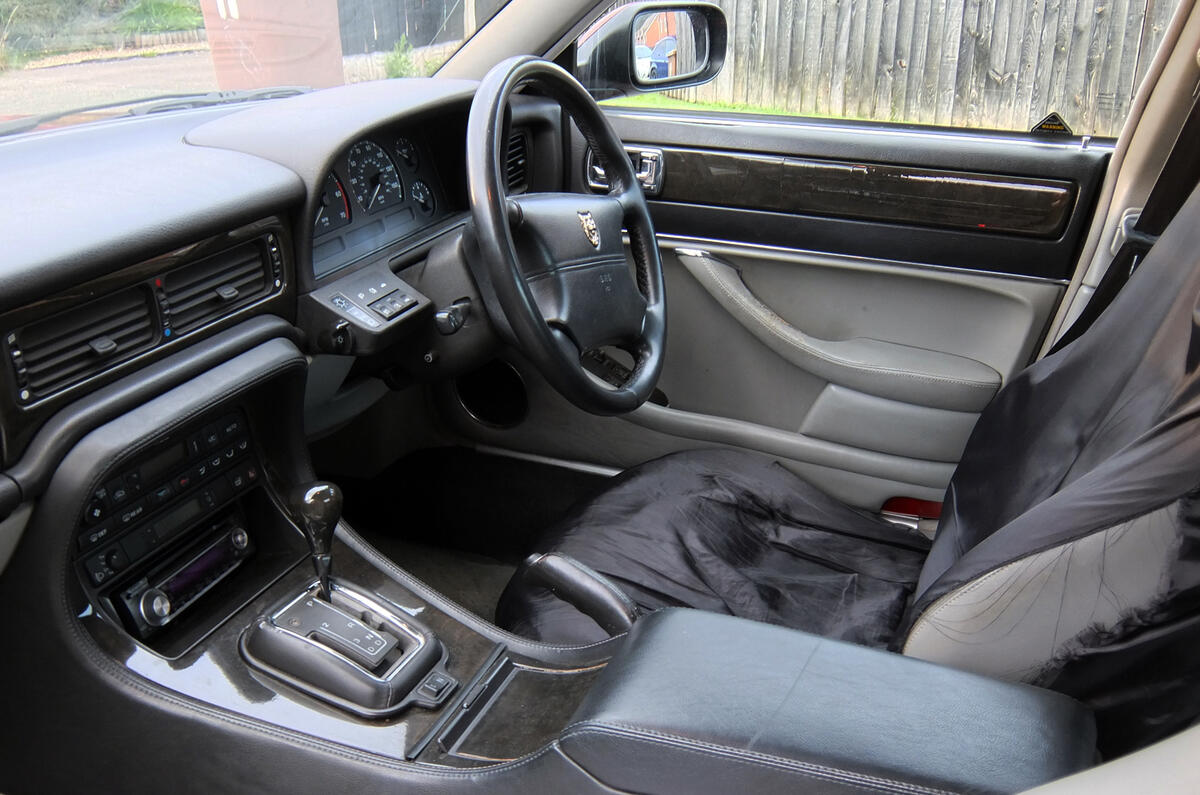
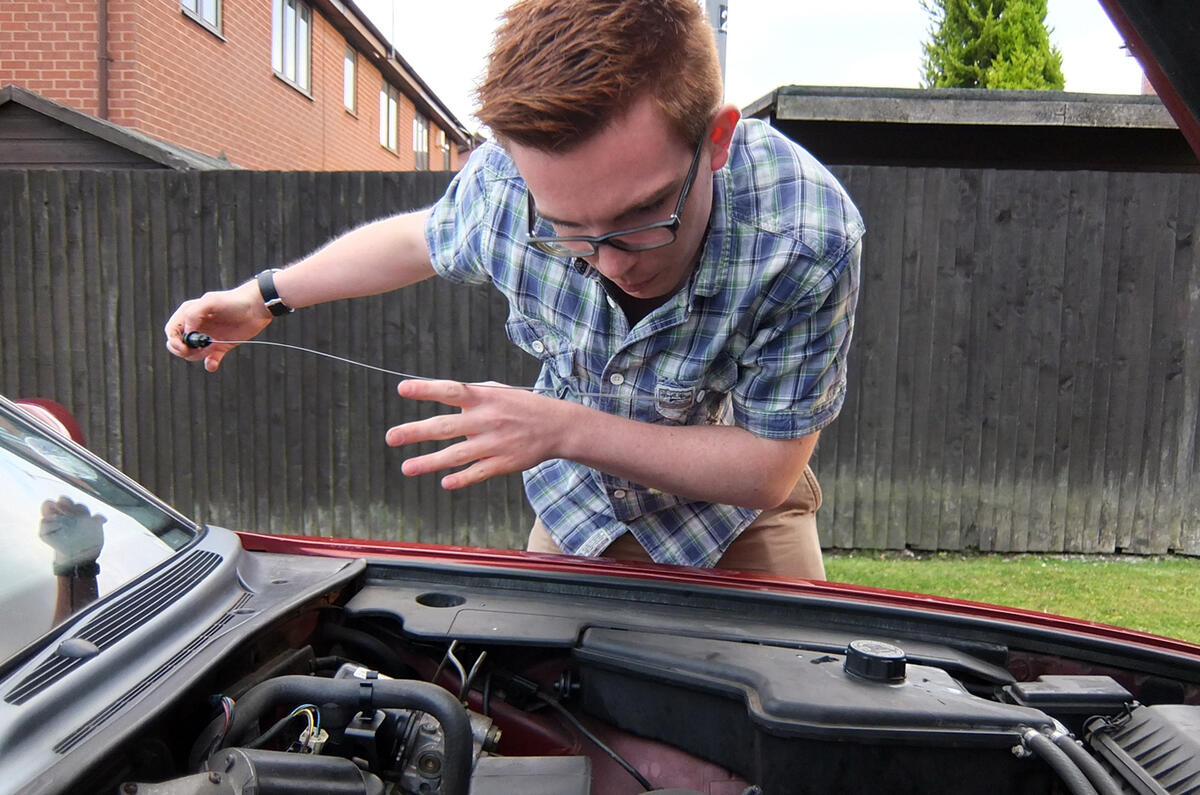
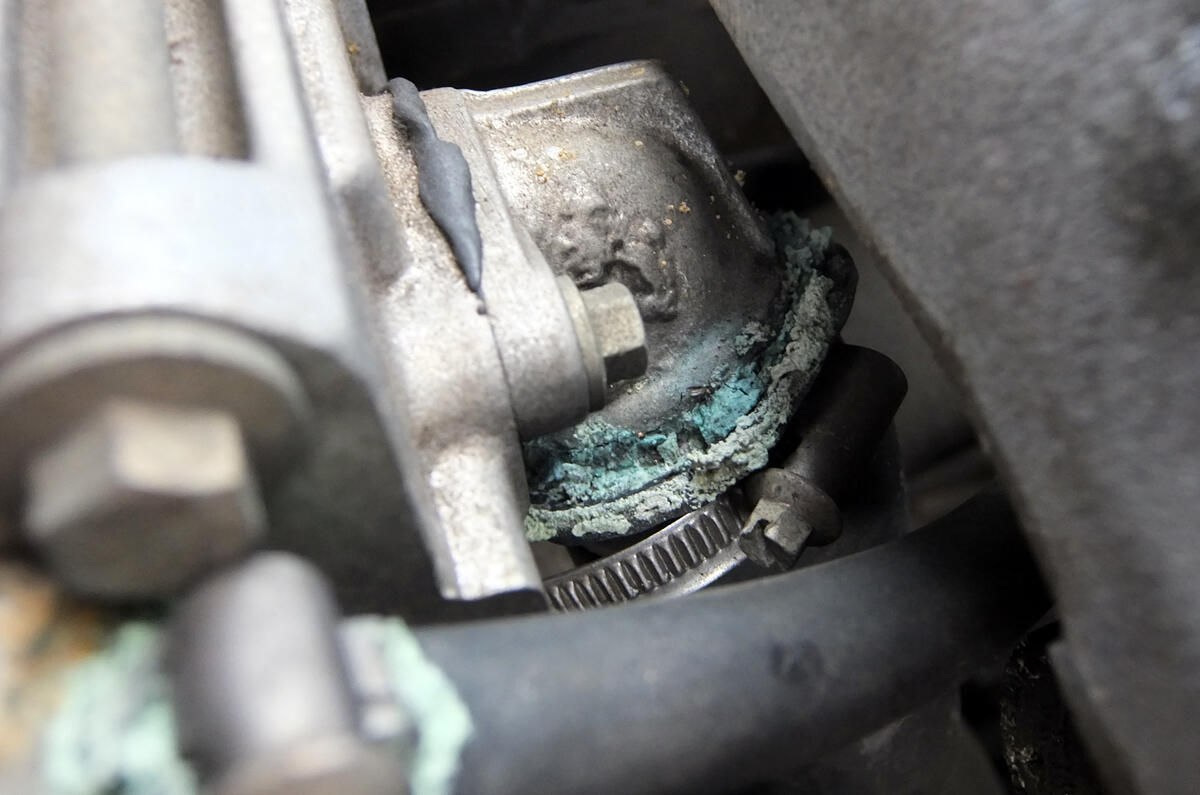
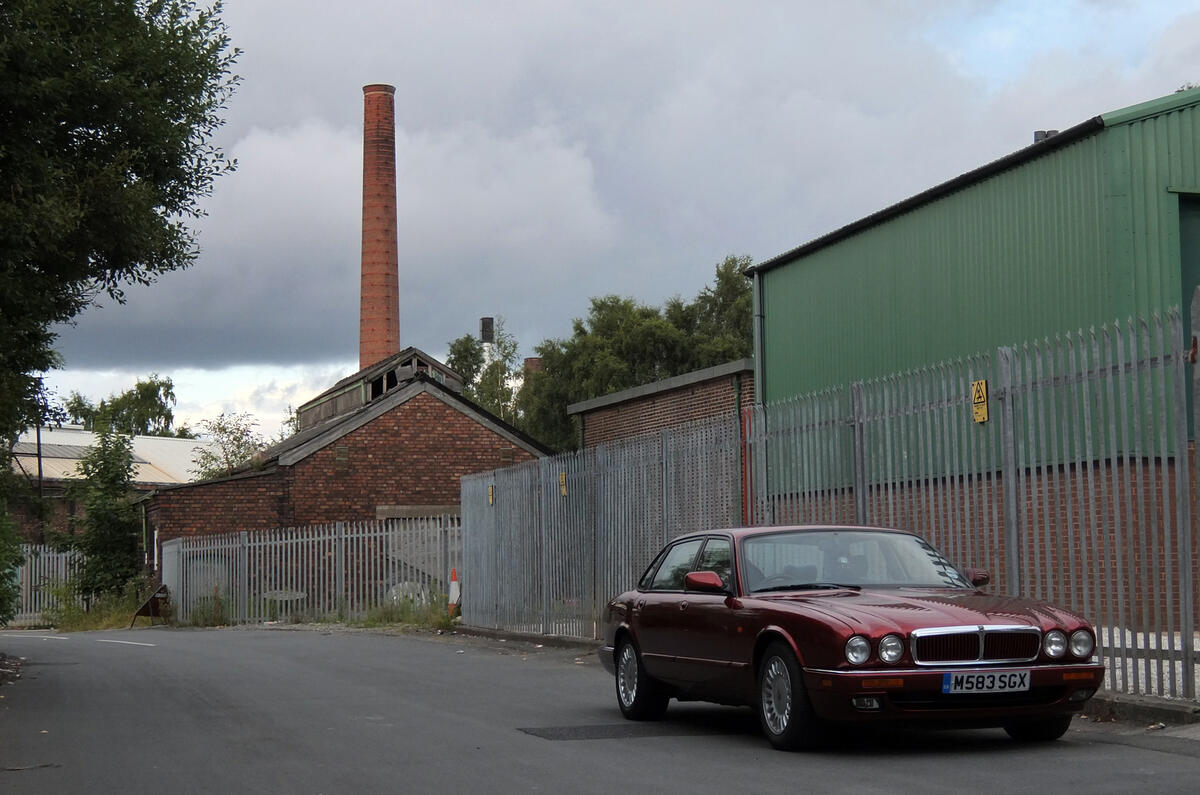
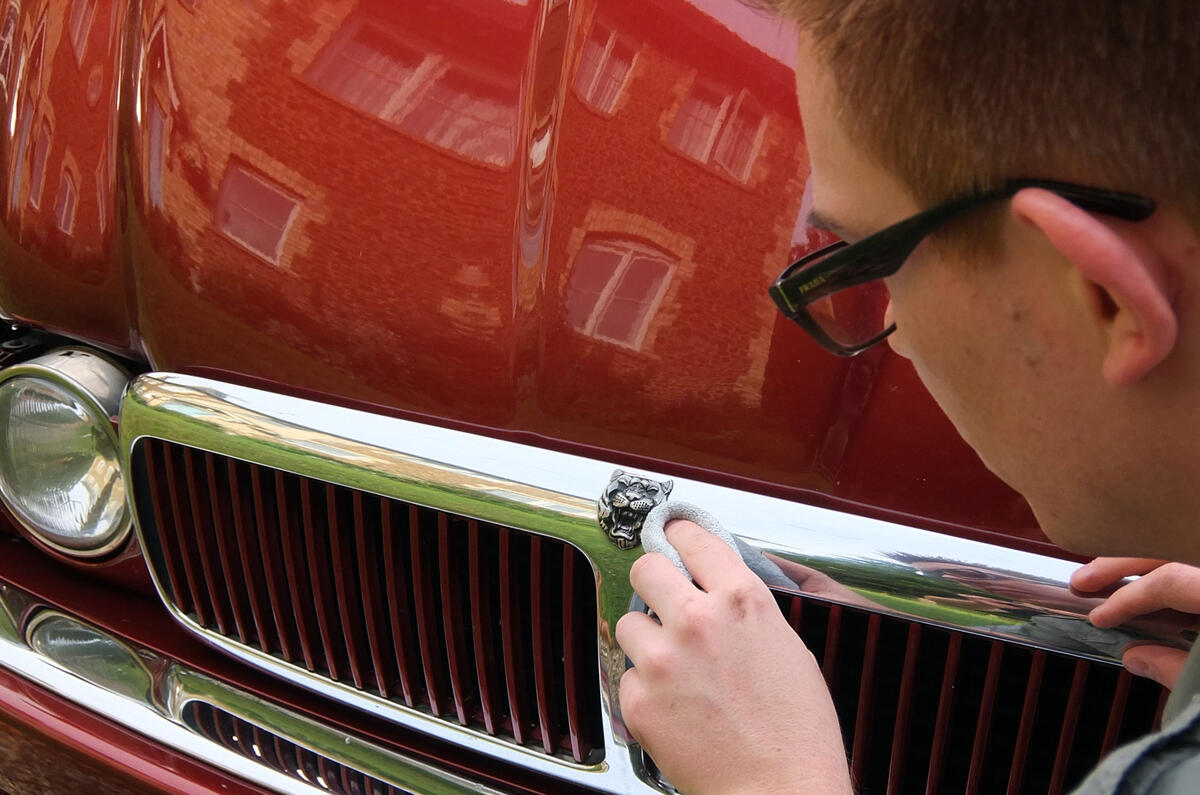
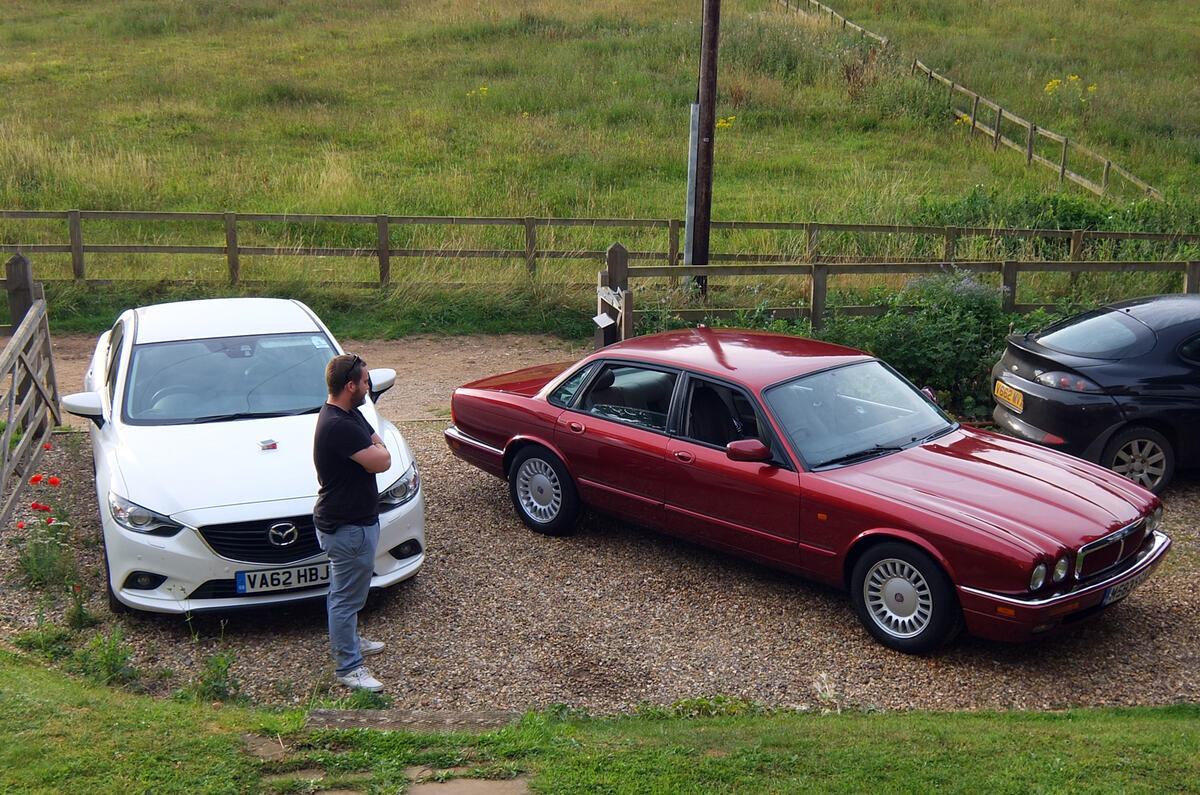
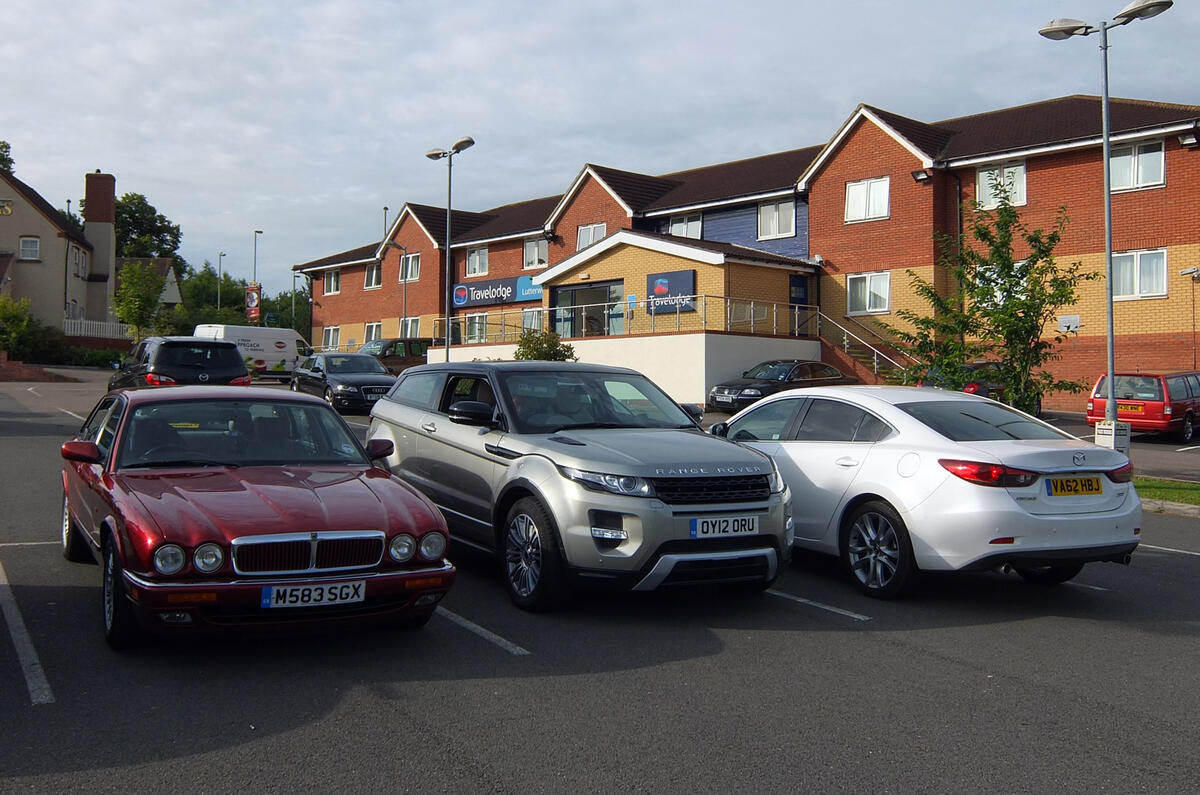
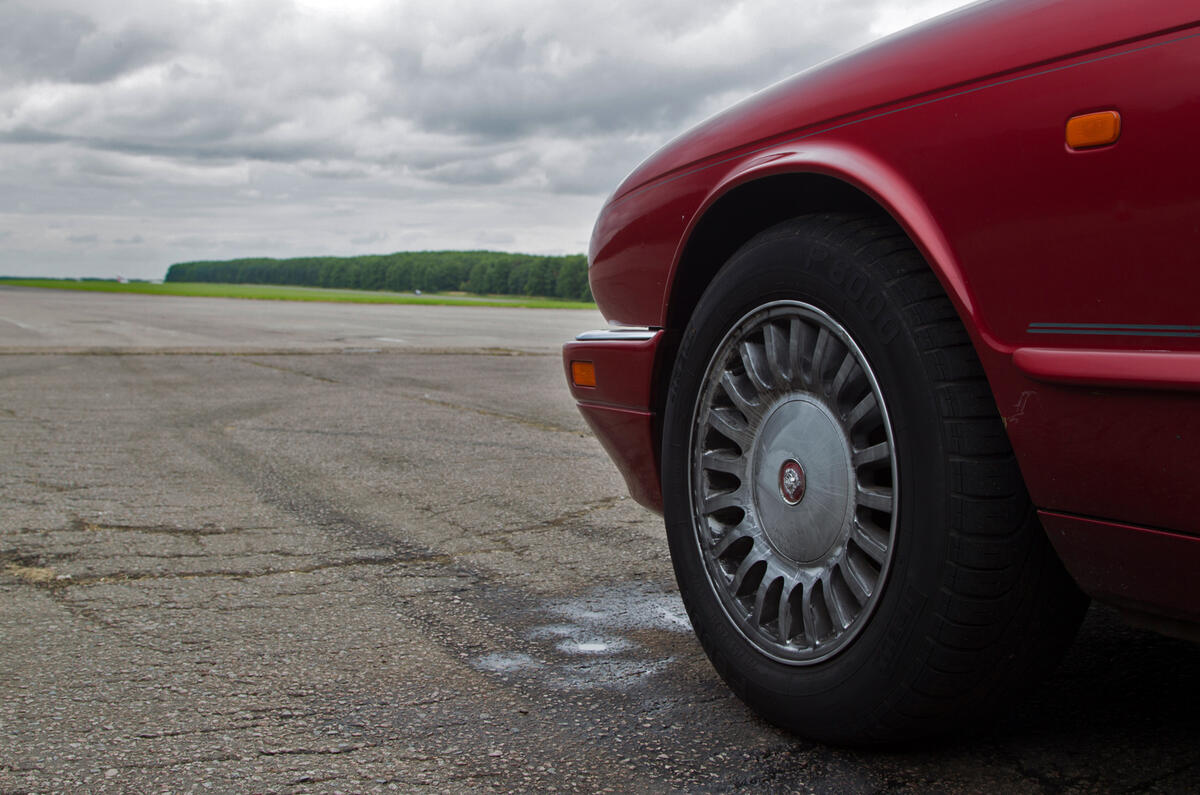
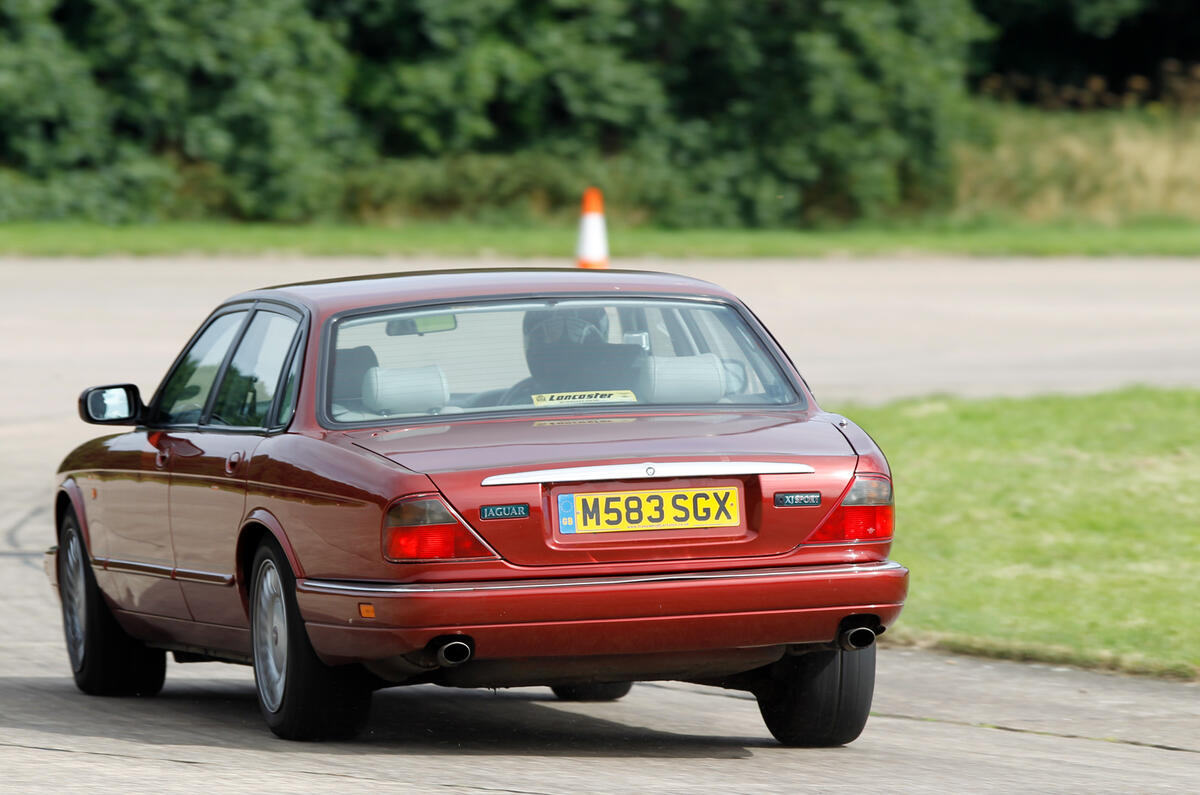
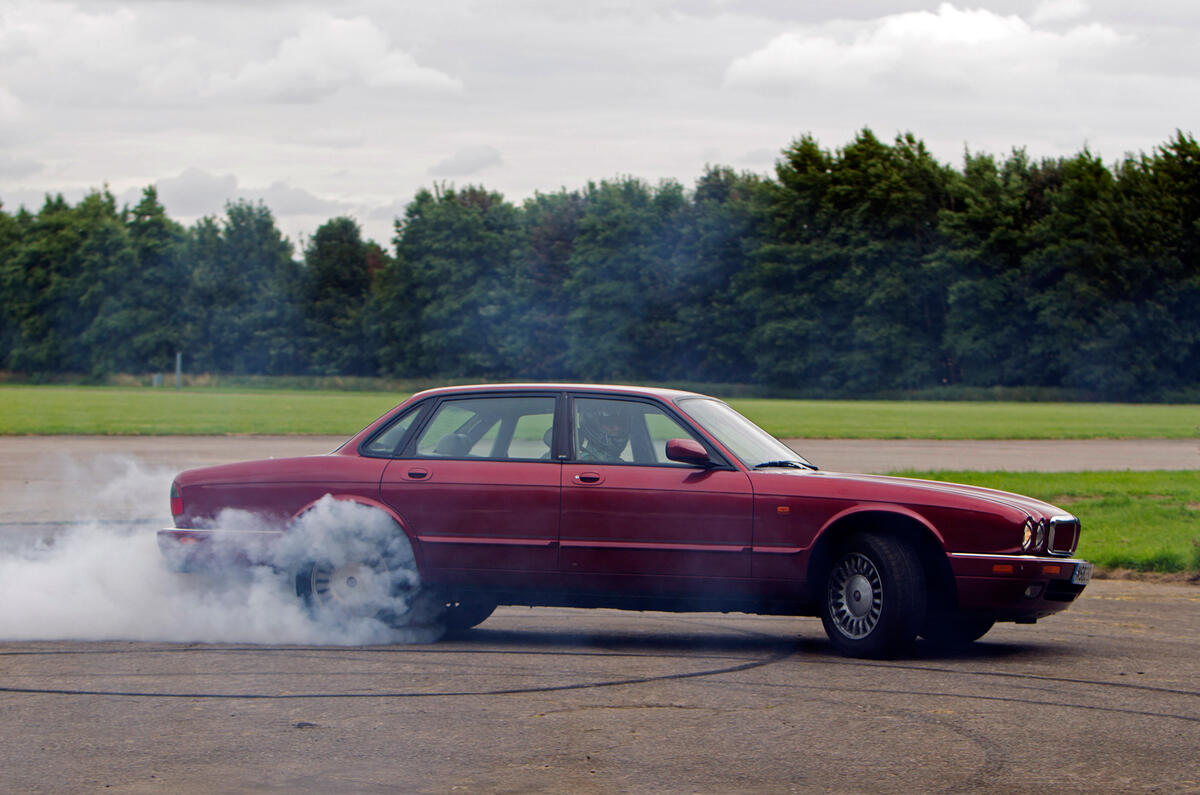
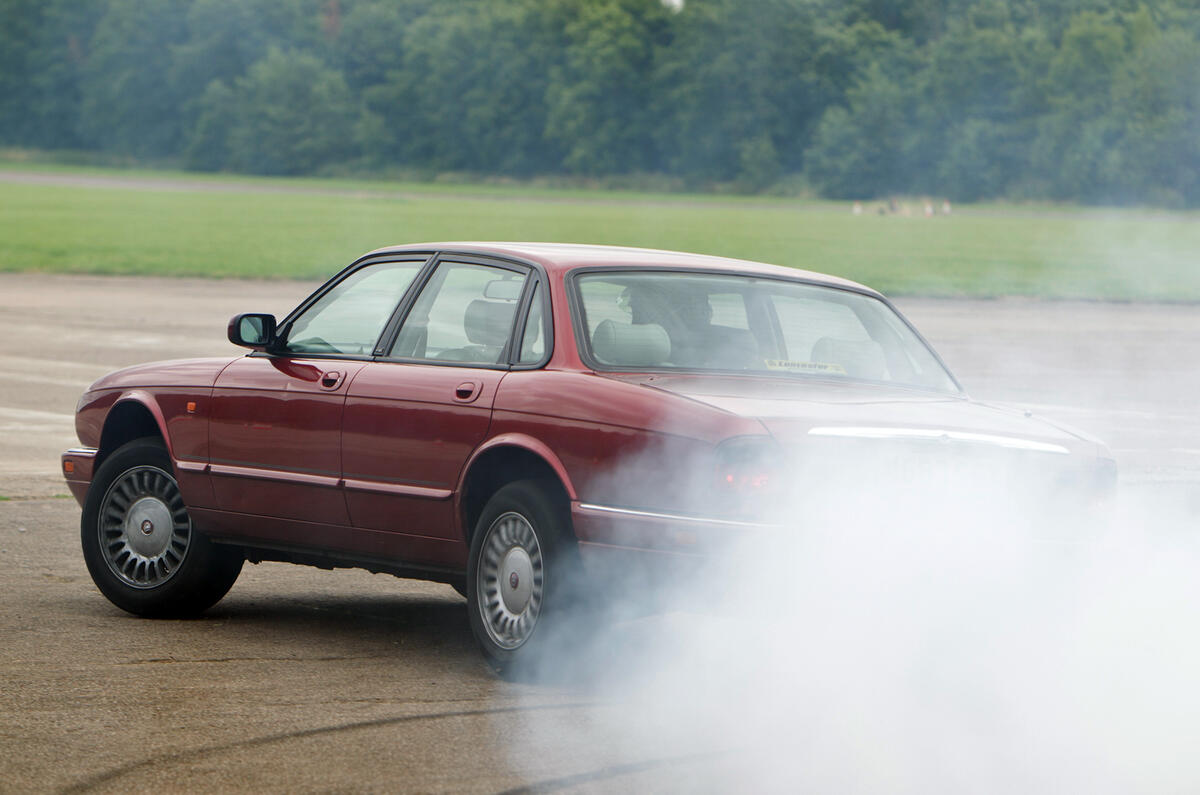
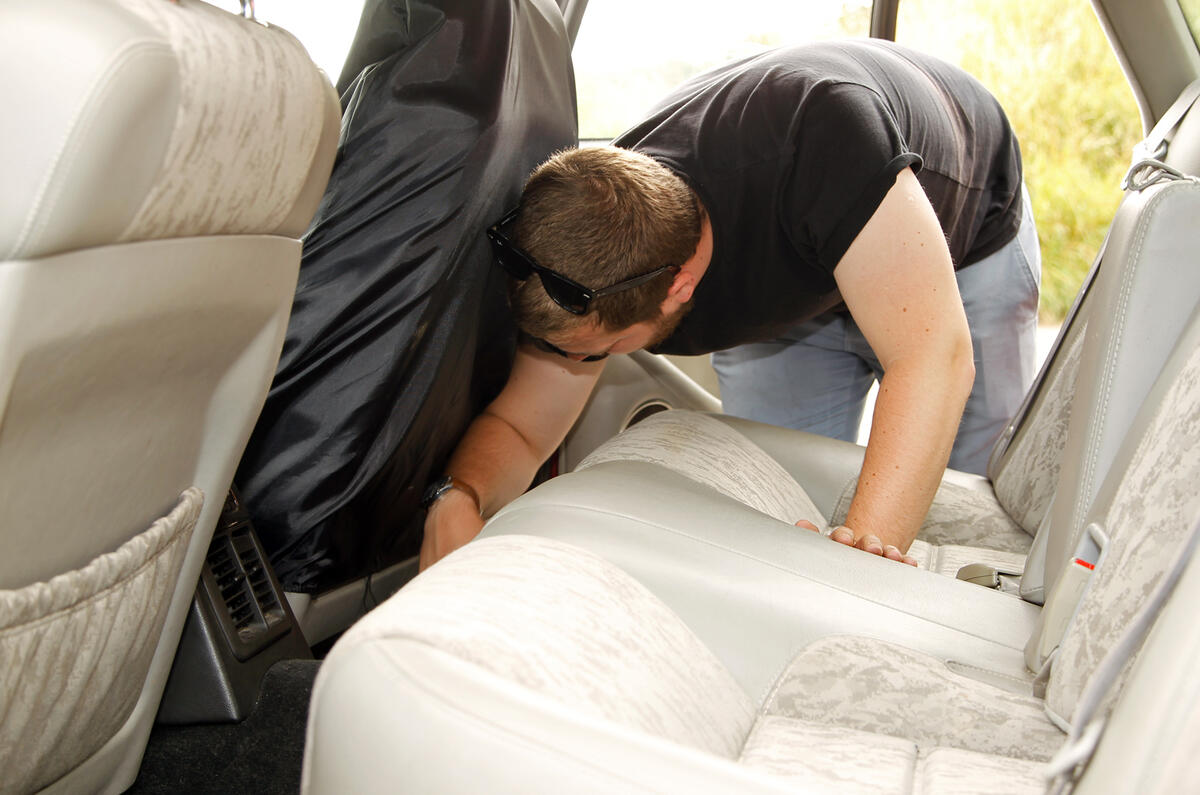
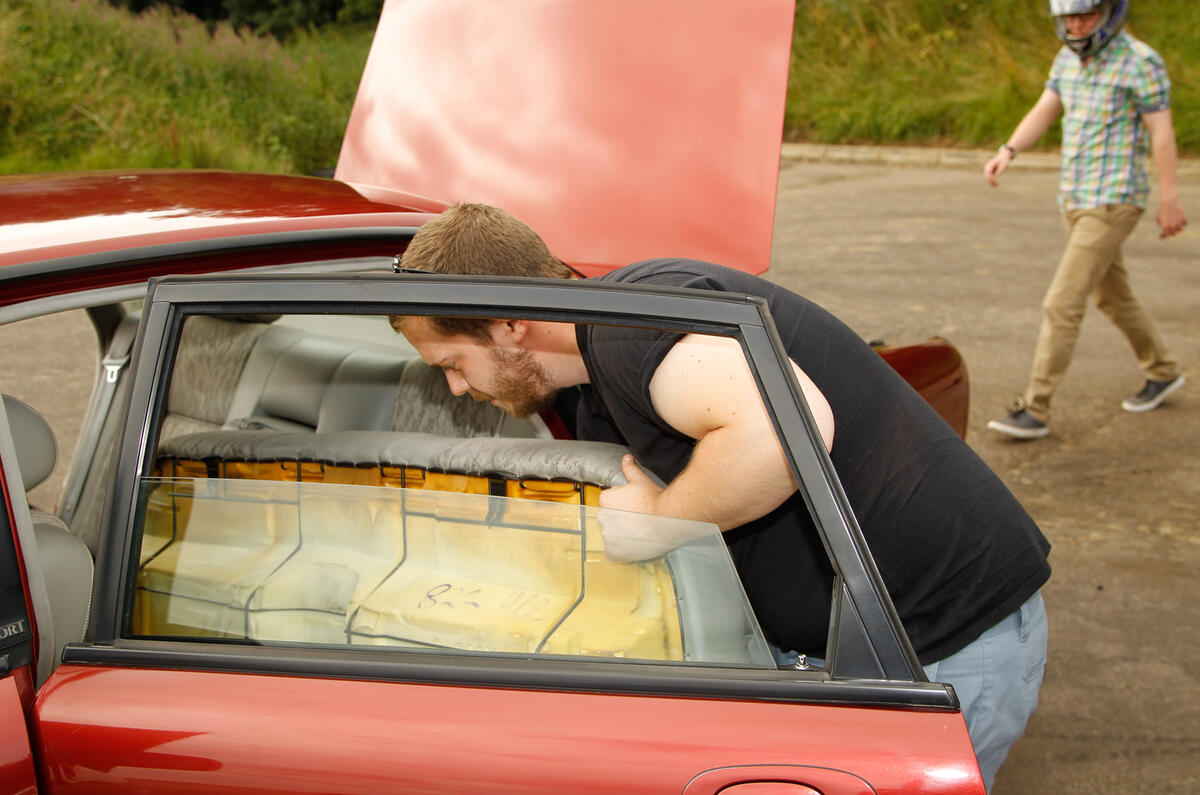
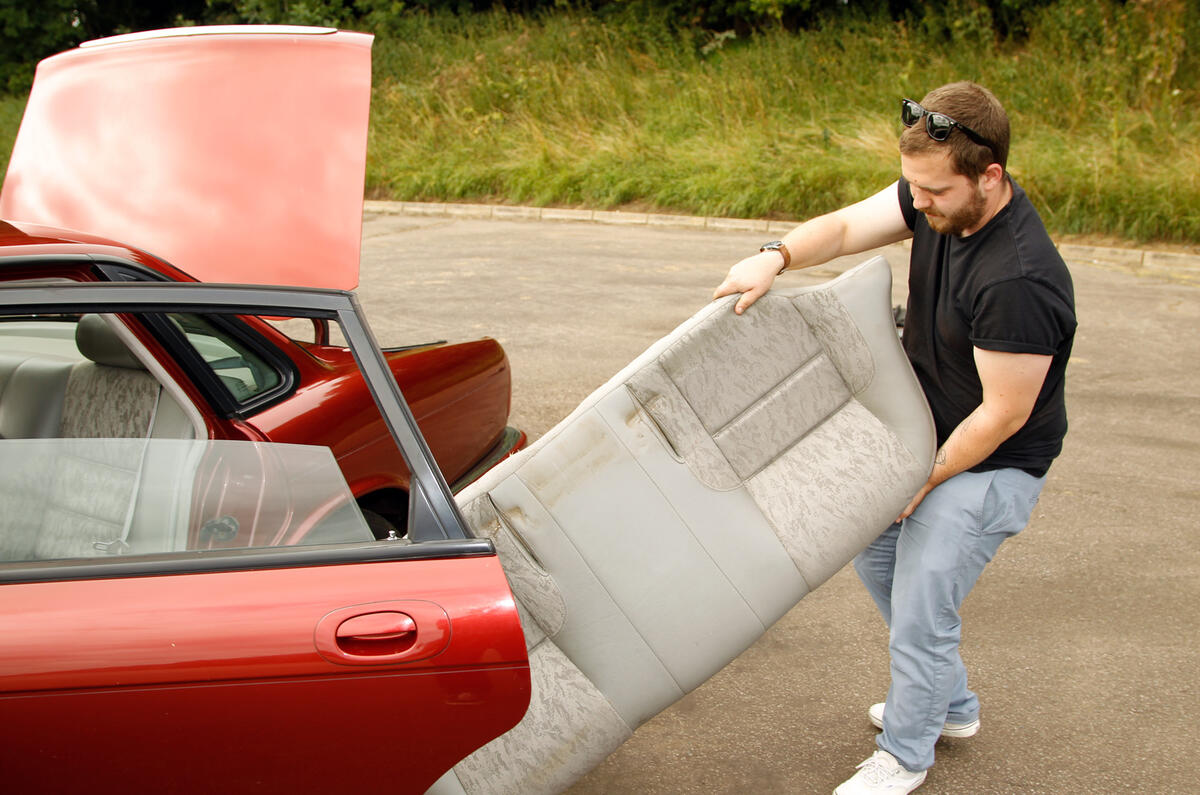
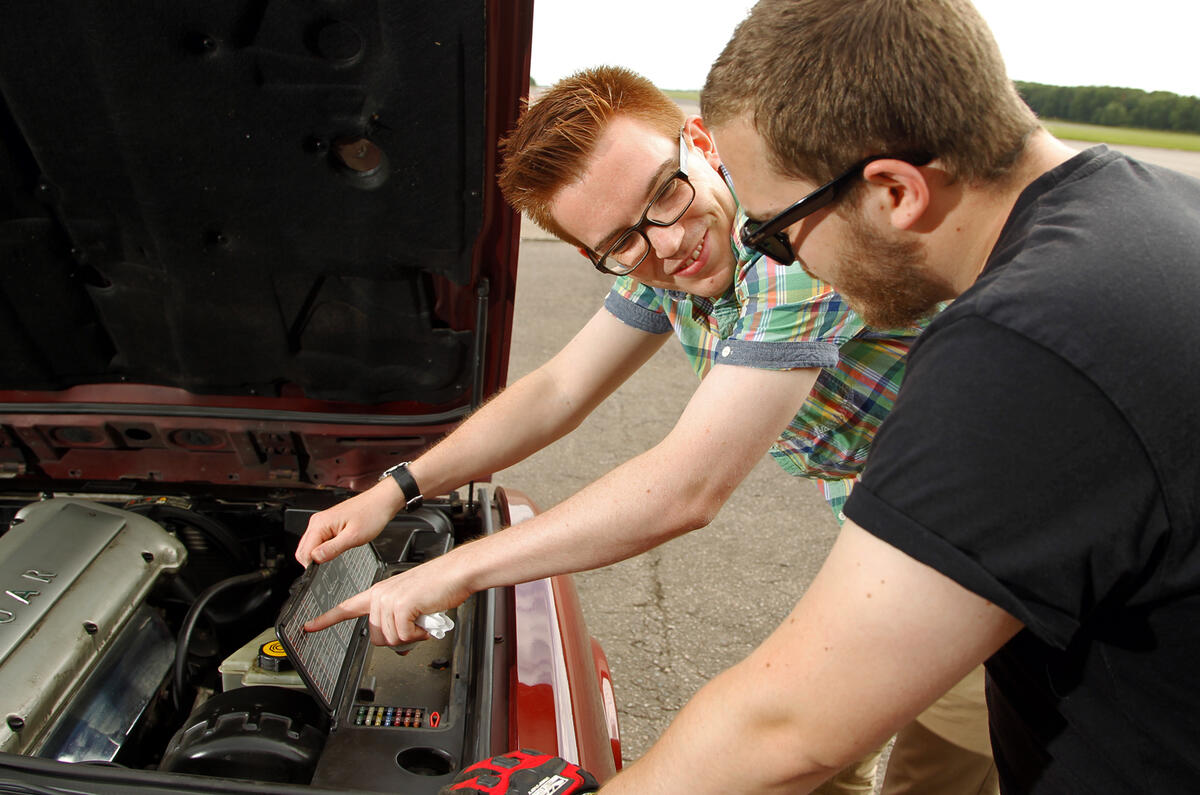
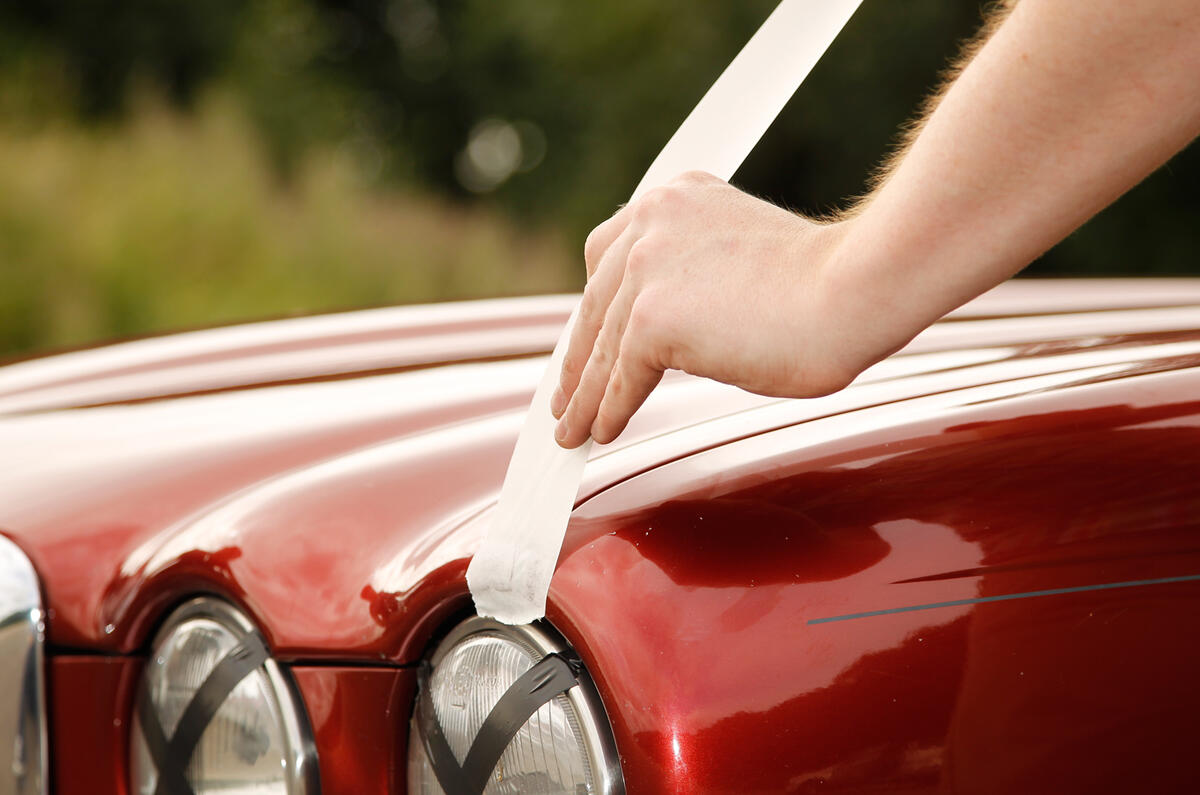
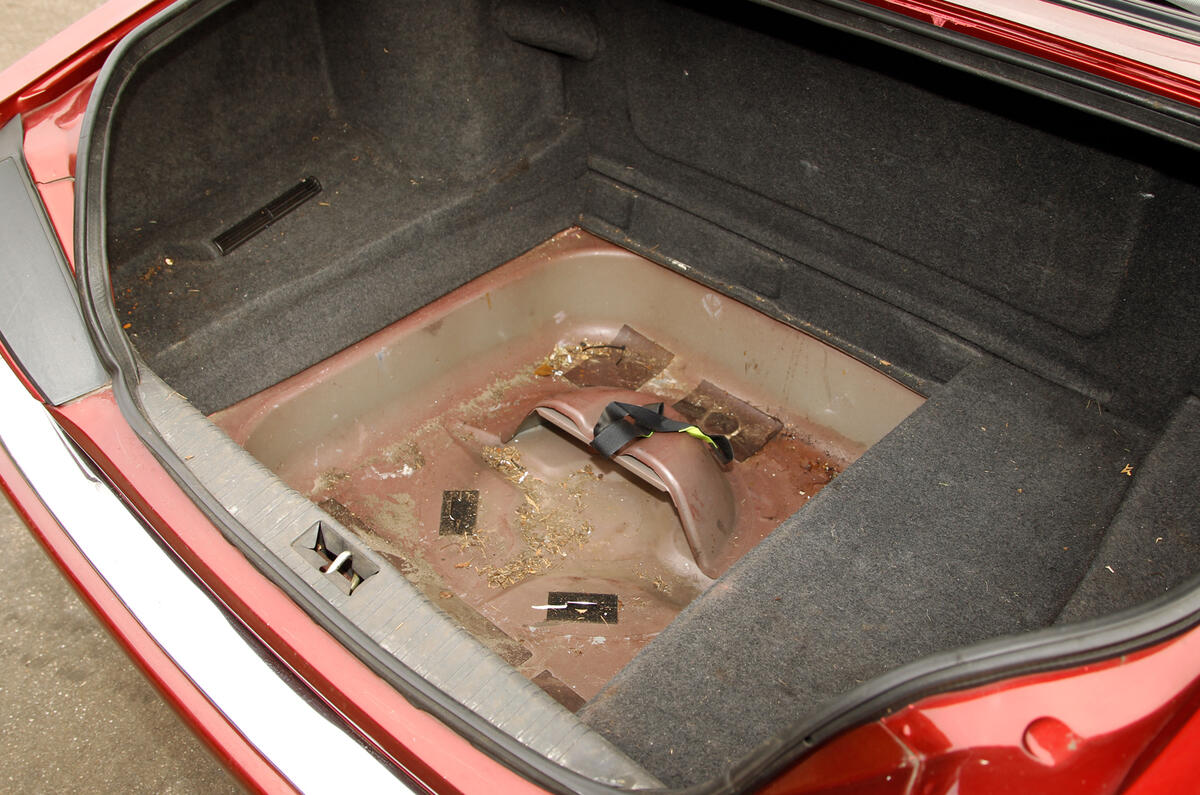
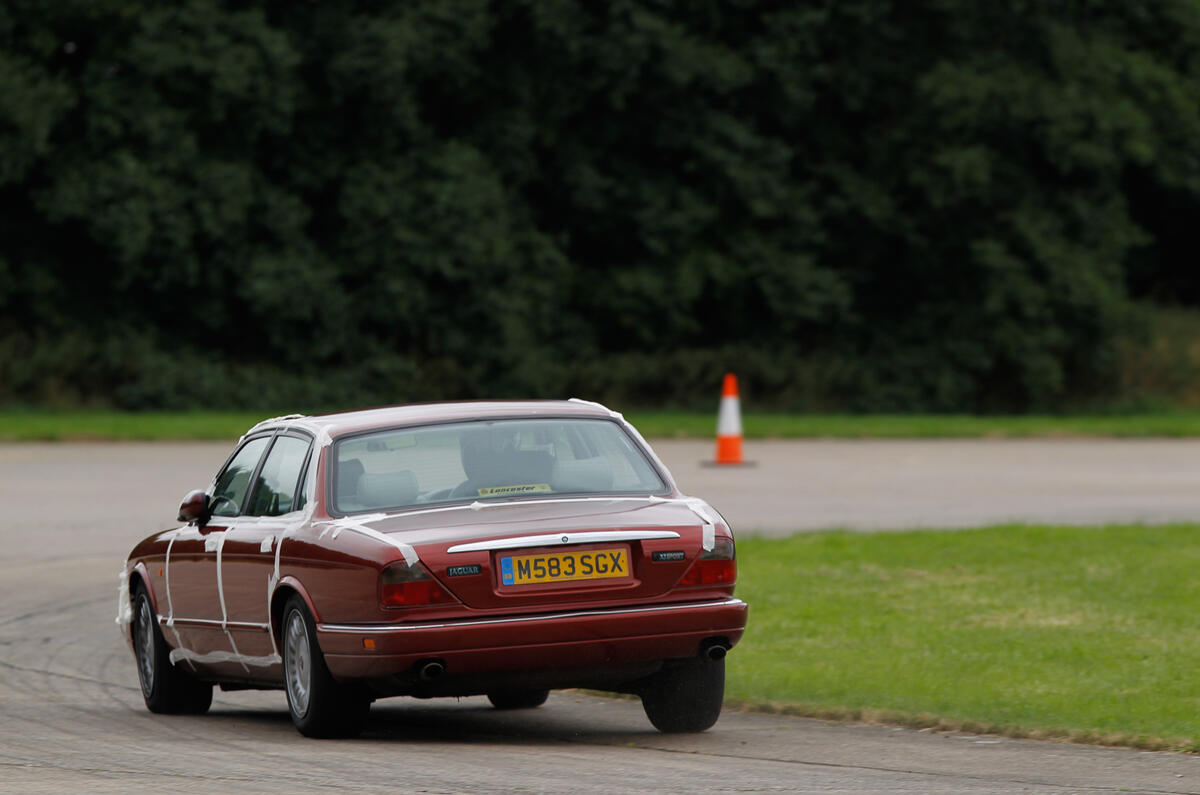
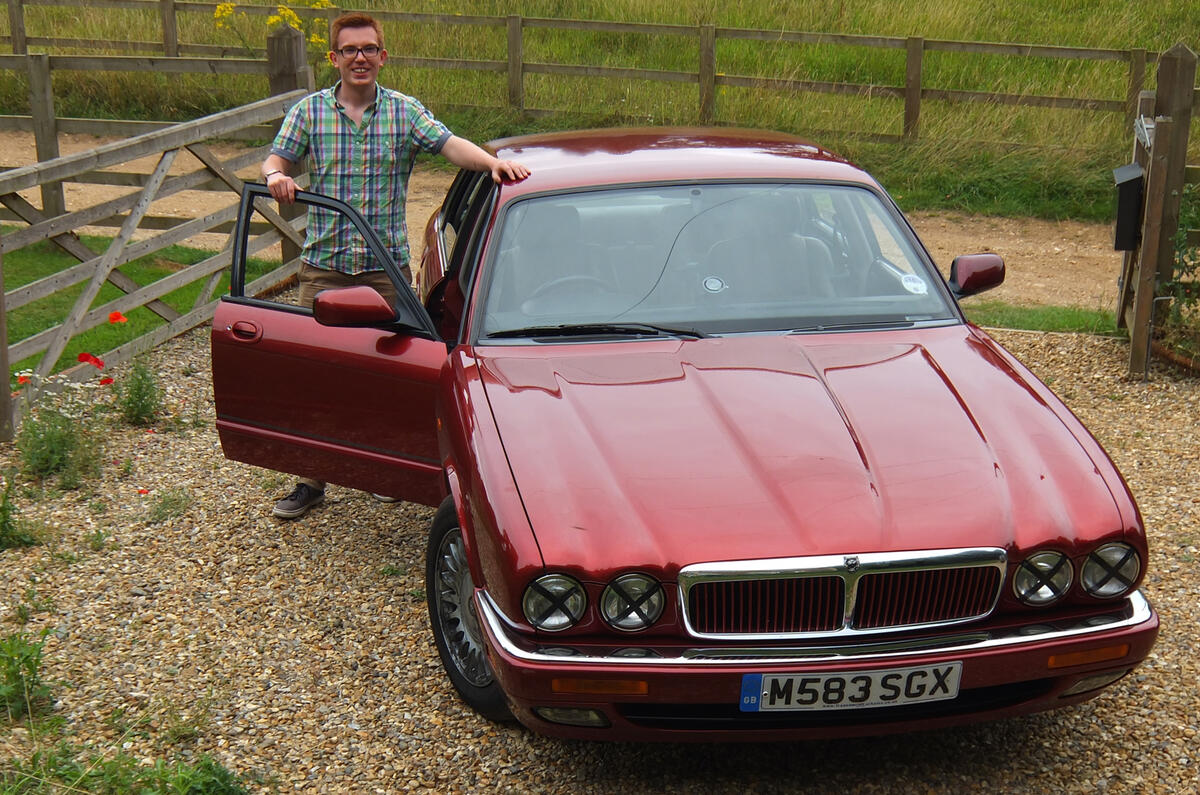
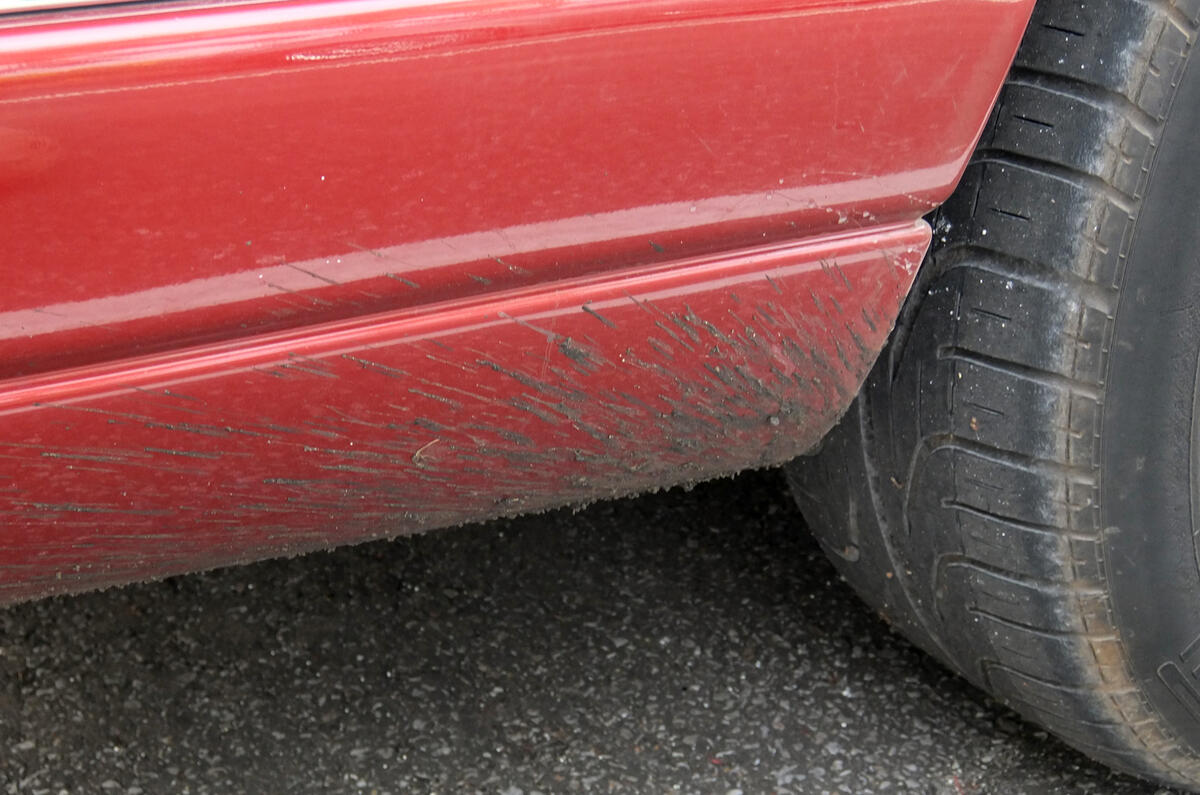
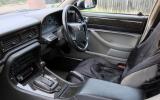
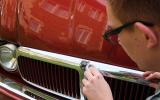
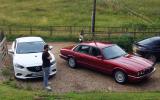
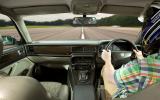
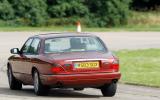
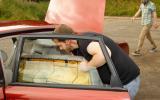
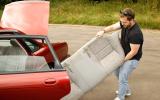
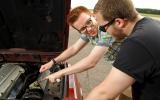
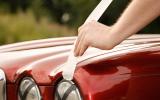
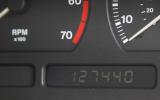
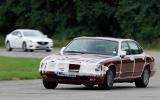
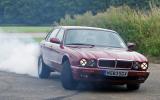
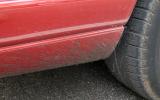
Two days and a holding deposit later, the XJ proved to be much as expected: a well used 18-year-old example with some minor dents, light corrosion, missing bits of trim and a tired driver’s seat. Everything important worked, though, and the car was very solid overall. Four decent matching tyres also made me feel a little more confident. A quick test drive revealed it to be delectably wafty, so, with the negotiations completed, it was mine.