








Ever listened to an F1 commentator and thought you could do better? Well it’s not as easy as it sounds.
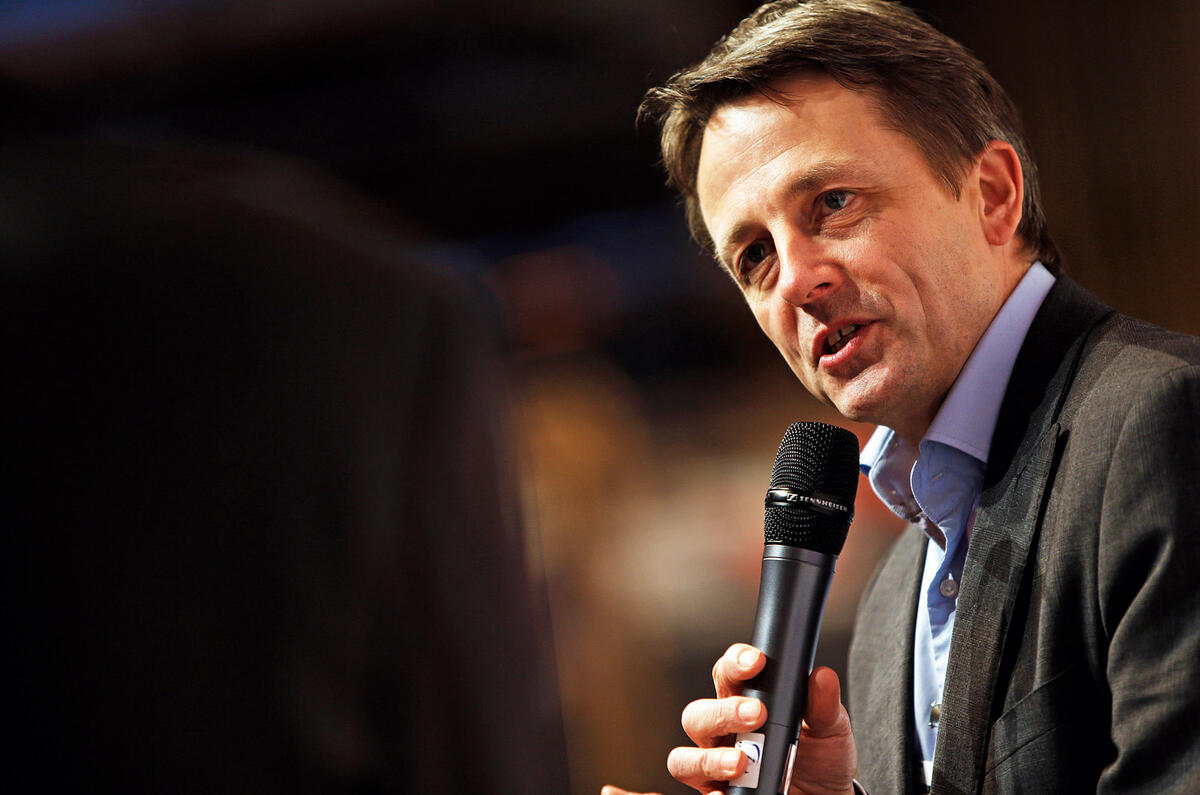
Until standing down at the end of last year, Ben Edwards had been the voice of F1 on UK terrestrial television since 2012, first for the BBC and since 2016 for Channel 4.
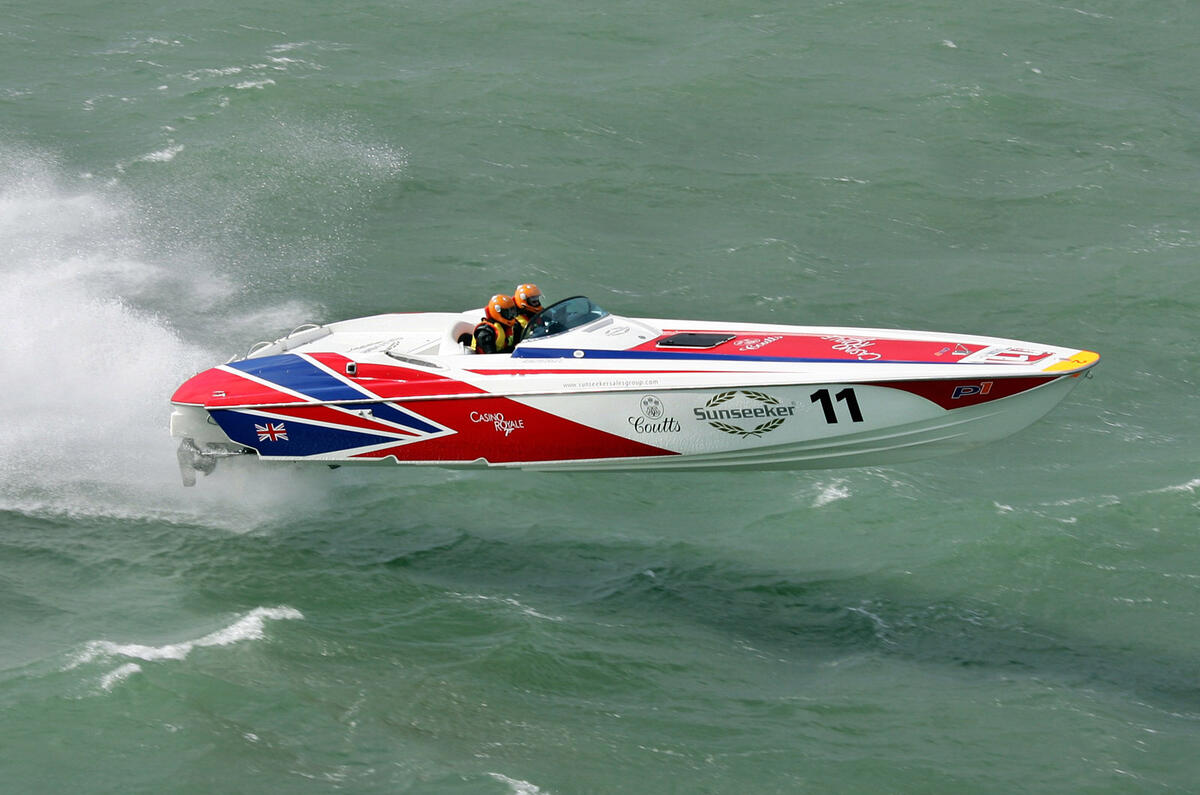
That was actually Edwards’s third stint commentating on F1: he voiced coverage for Eurosport in 1995 and ’96, and later for the Sky’s short-lived F1 Digital+ service in 2002. He has also put his voice to a host of other motorsport categories: he did international commentary for the US-based Champ Car series in the late 1990s, and was the long-time commentator for the British Touring Car Championship. He’s also commentated on A1 Grand Prix, British F3 and GT, rallying and even power boat racing.
Here's Ben's view on commentary, and his tips on how to get it right:
Commentating on motorsport has been my passion for 30 years and while I have stepped back from Channel 4’s F1 coverage, the microphone is still a part of me. That moment of going ‘live’ on-air and communicating with the viewer never fails to boost adrenalin levels and sharpen my mind.
Raceday build-up is intense; I avoid drinking too much coffee as my heart rate is already increasing and I steer away from a generous lunch as I don’t want to be heard burping on the formation lap. Walking through the paddock near race time helps me pick up the vibe of the event as drivers are suiting up and heading for their cars.
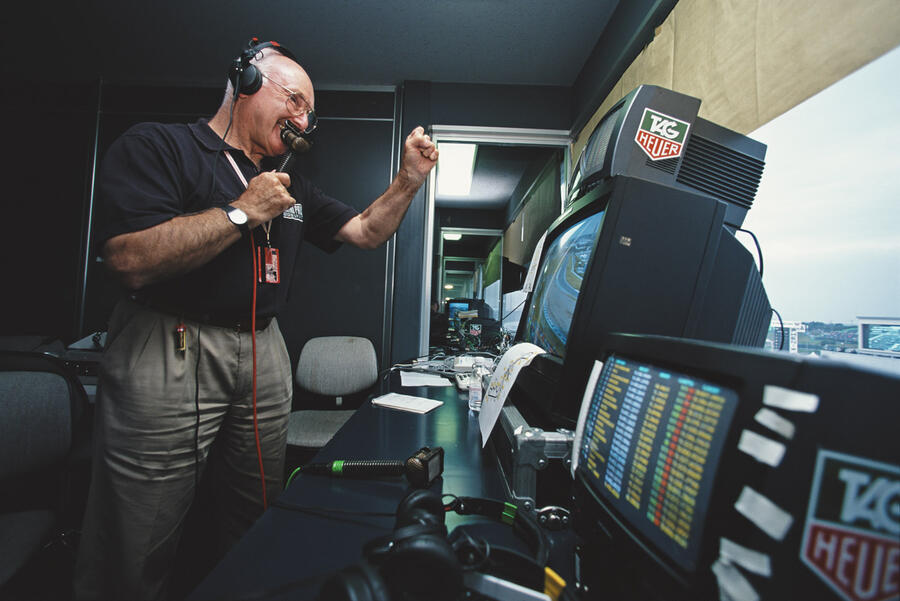
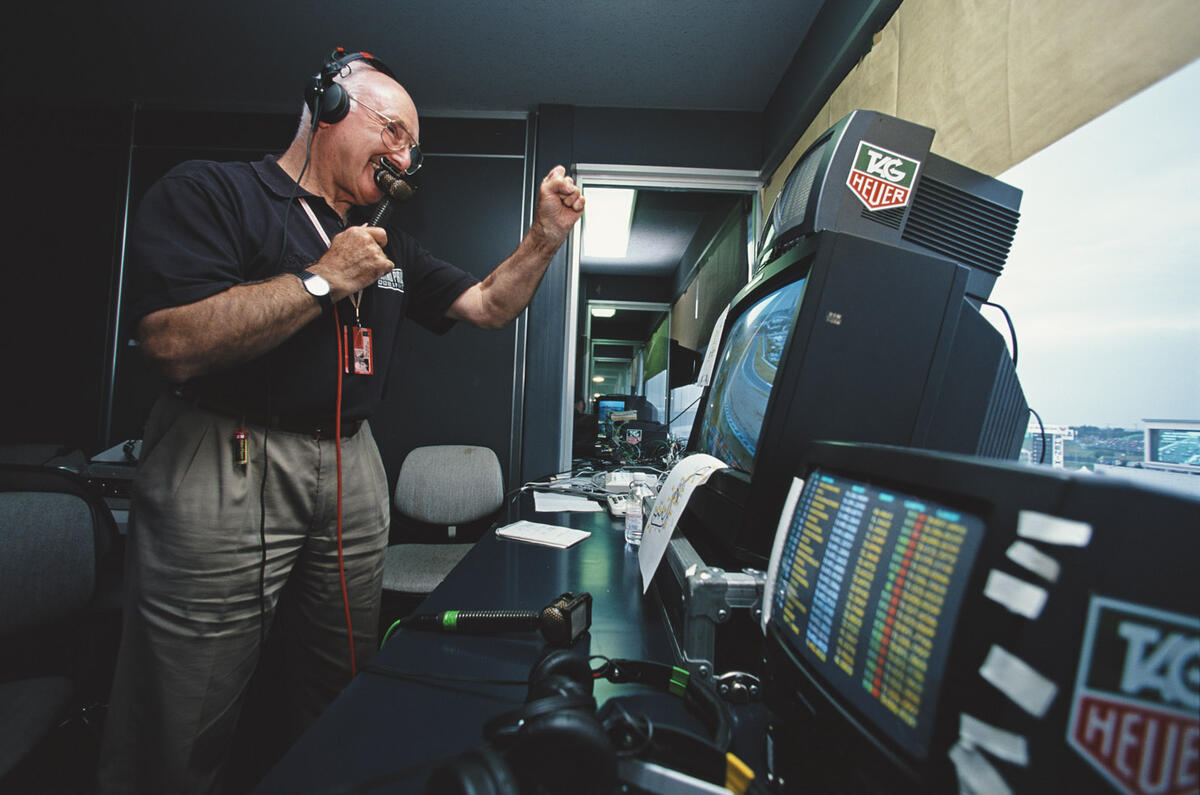
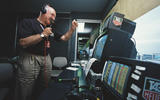
Over the years, I have had several jet lag induced dreams of being caught in a crowd and failing to reach the commentary box before the the grid takes off; I make sure to be settled in my booth at least 20 minutes before ‘Lights Out’. My environment is normally a small rectangular room mounted high in a grandstand with TV screens and timing monitors blocking much of the view out of the window, but I learnt many years ago to focus on the screens alone because that is what the audience is watching.