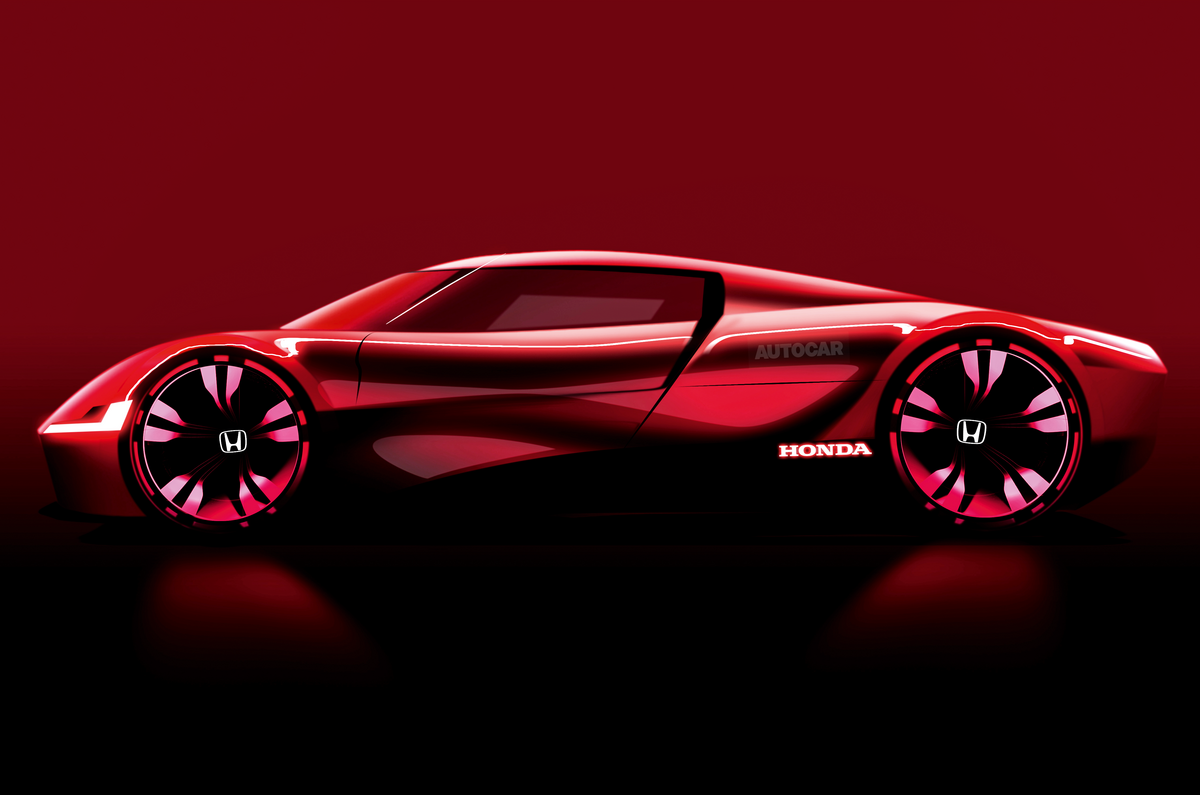
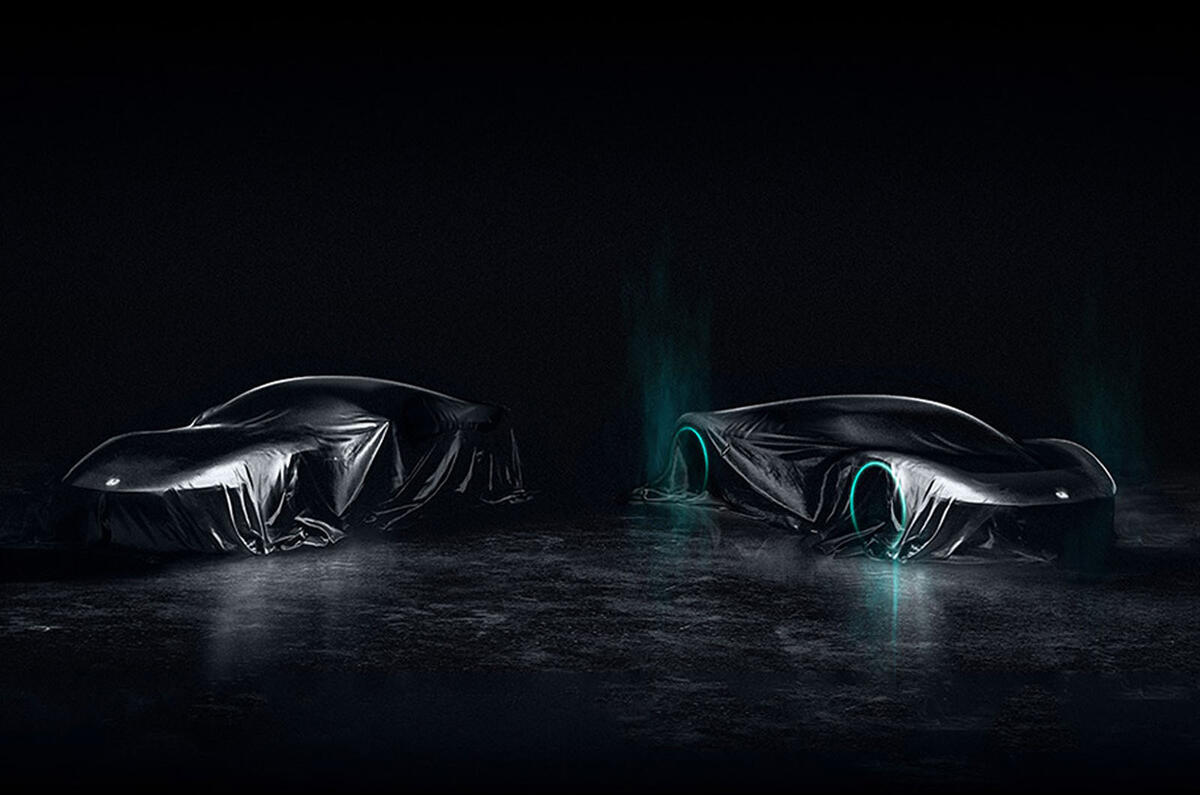


The Honda NSX will return as a supercar flagship for a 30-strong line-up of electric vehicles that Honda will launch as part of an ambitious £31 billion electrification strategy.
The supercar will be part of Honda's commitment to launching 30 new pure-electric vehicles globally as part of the strategy.
The Japanese firm has outlined its shift to electrification, pledging to achieve annual EV production volumes of more than two million units by 2030, ushering in solid-state battery technology and launching a pair of all-electric sports car flagships.
Honda aims to achieve net carbon neutrality by 2050 but says "a multi-faceted and multi-dimensional approach" to electrification is needed, "not a mere replacing of engines with batteries".
To this end, it will allocate a portion of a committed eight trillion yen (£49bn) R&D budget to developing hydrogen powertrains and battery-swapping hardware as a means of facilitating the phase-out of combustion powertrains over the next 10 years. Some five trillion yen (£31bn) is reserved exclusively for "electrification and software technologies".

Honda has also given initial details of its rapid-fire global EV roll-out in the run-up to 2030, which most shockingly looks to include an all-electric successor to the Honda NSX supercar and a new grand tourer flagship.
"Honda always has a passion to offer fun for its customers," the firm said, giving no details of the new sports cars but promising they will continue to offer a "sports mindset and distinctive characteristics".
The Honda NSX is currently in its third generation as a 573bhp hybrid with a mid-mounted V6 and will bow out of production at the end of this year. This latest announcement is the first official indication that Honda plans to remain in the supercar segment as it transforms its business.