
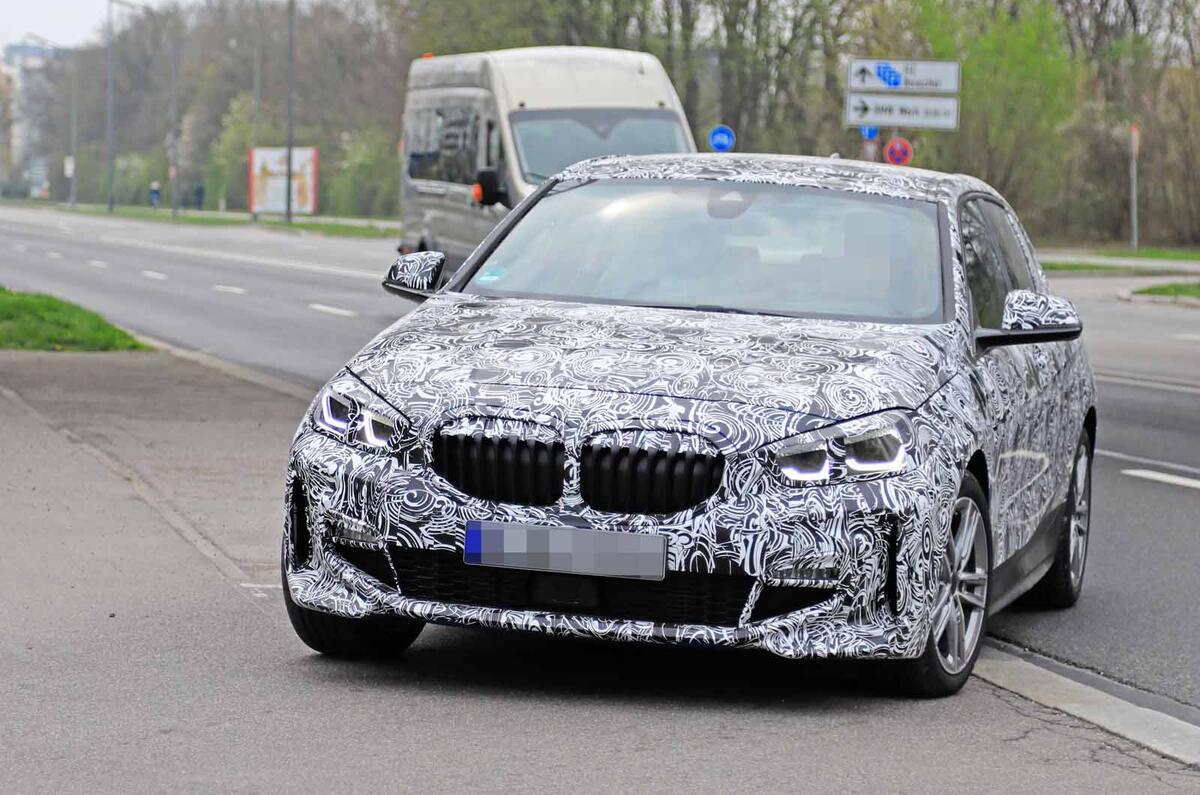
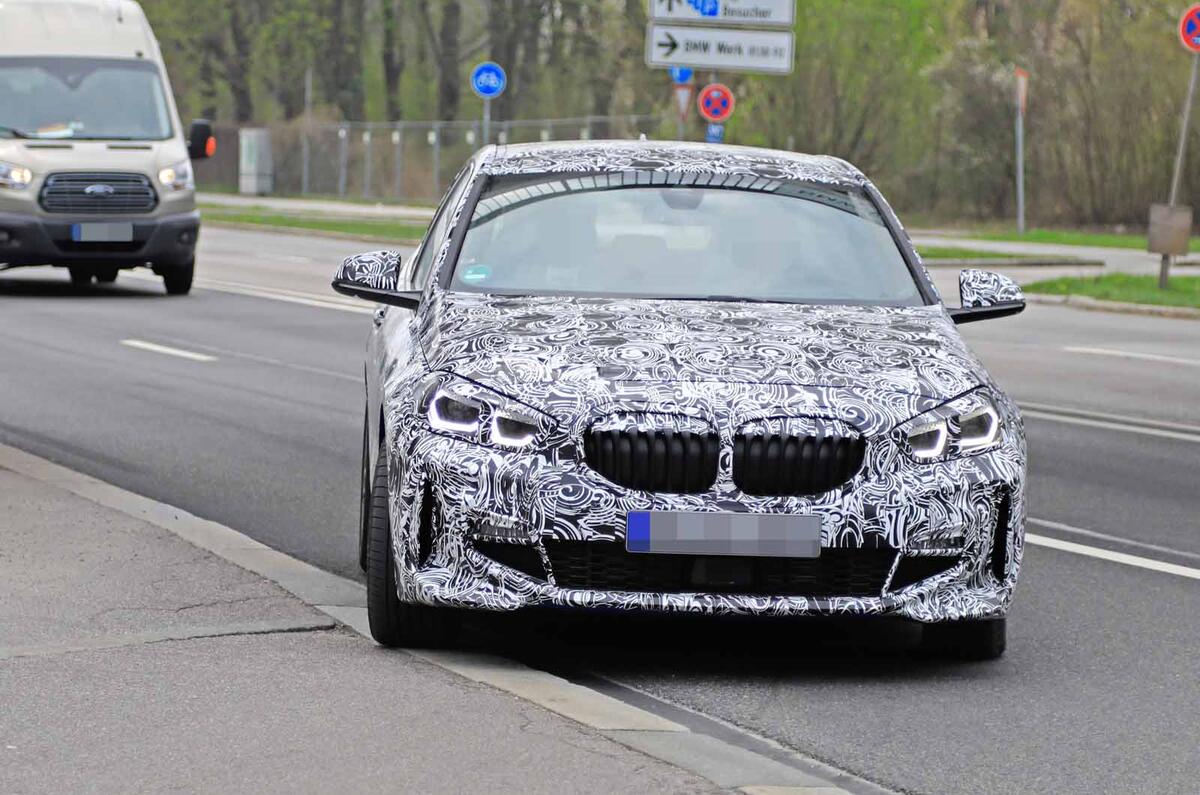





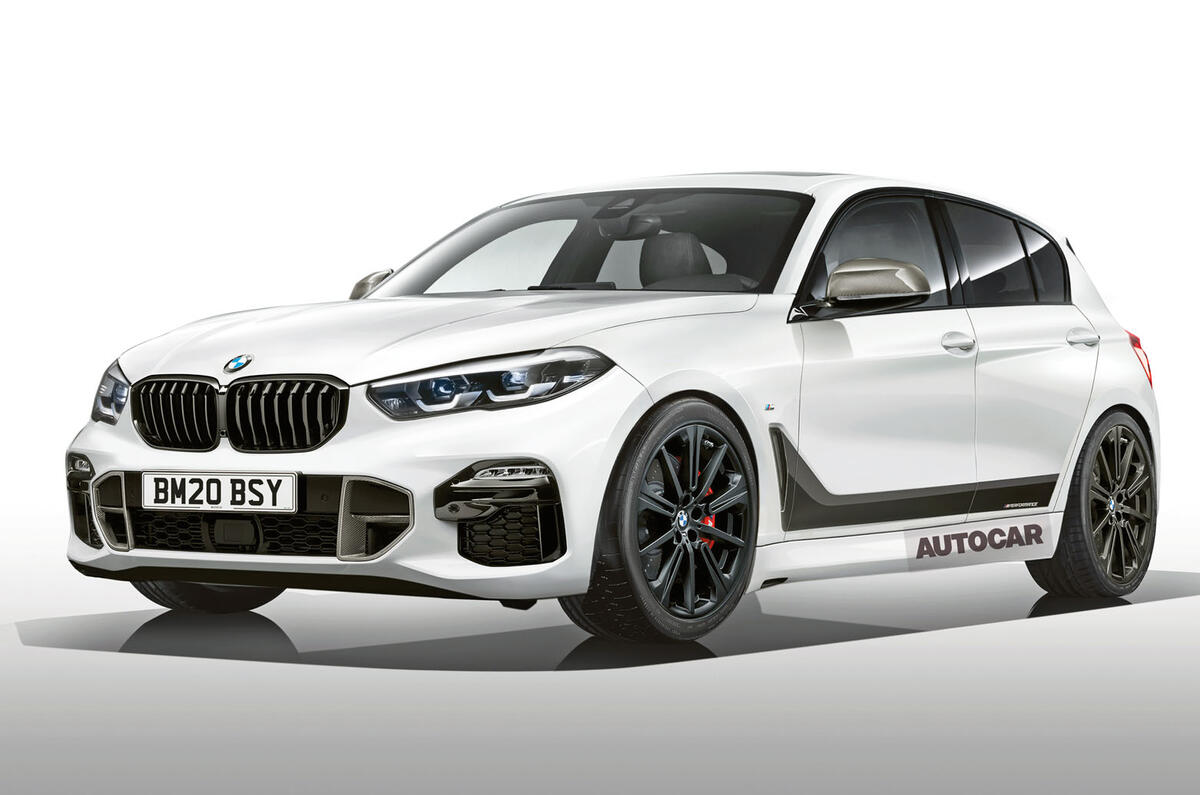
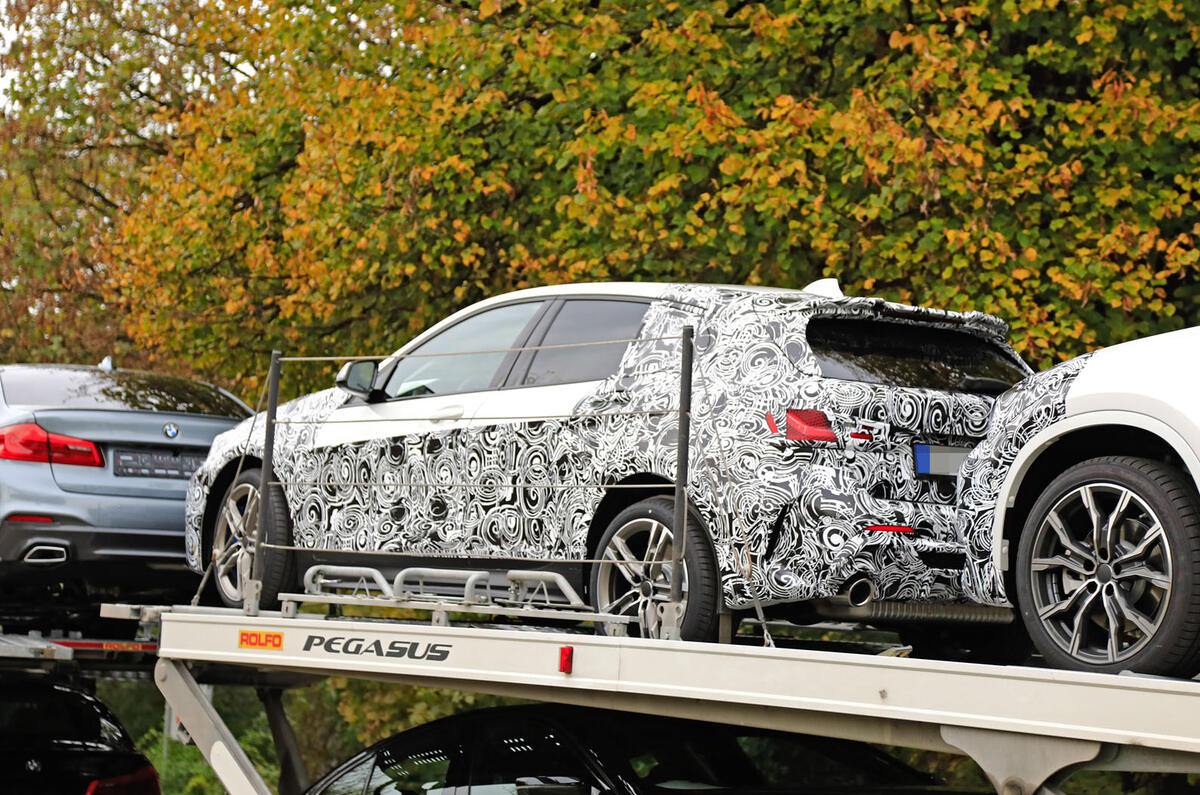
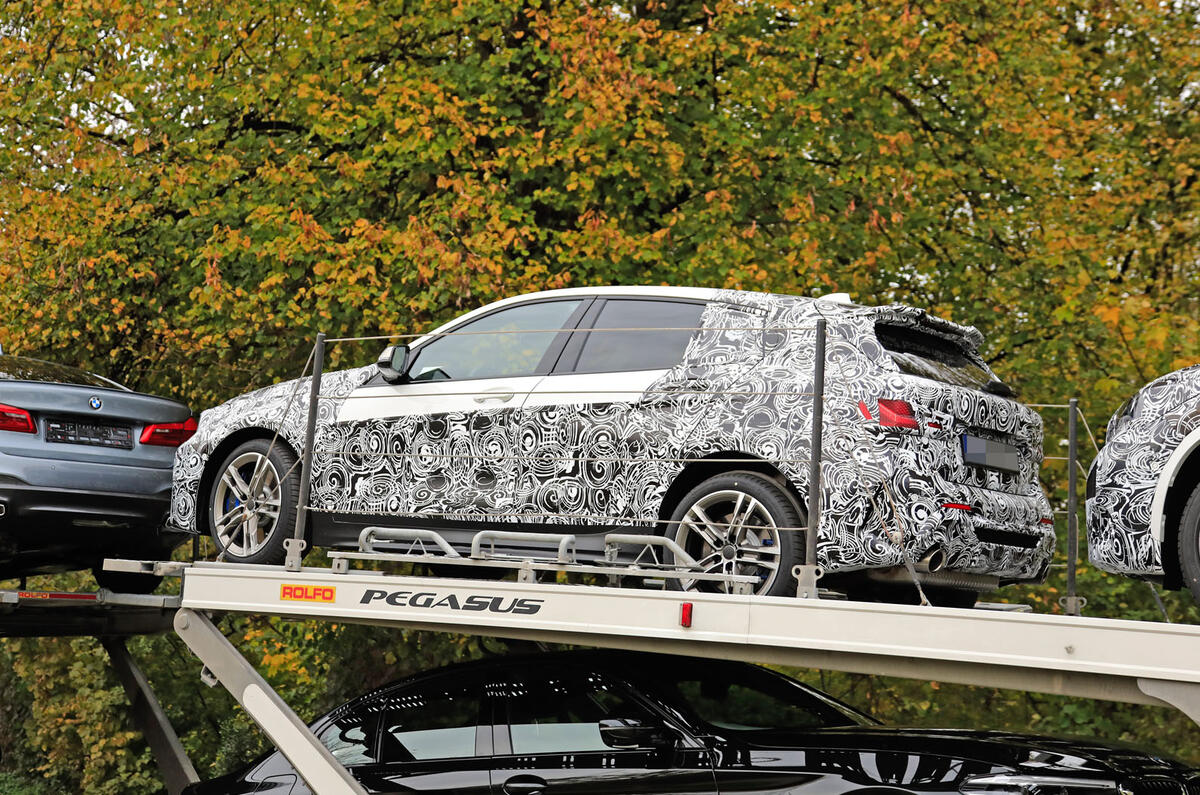
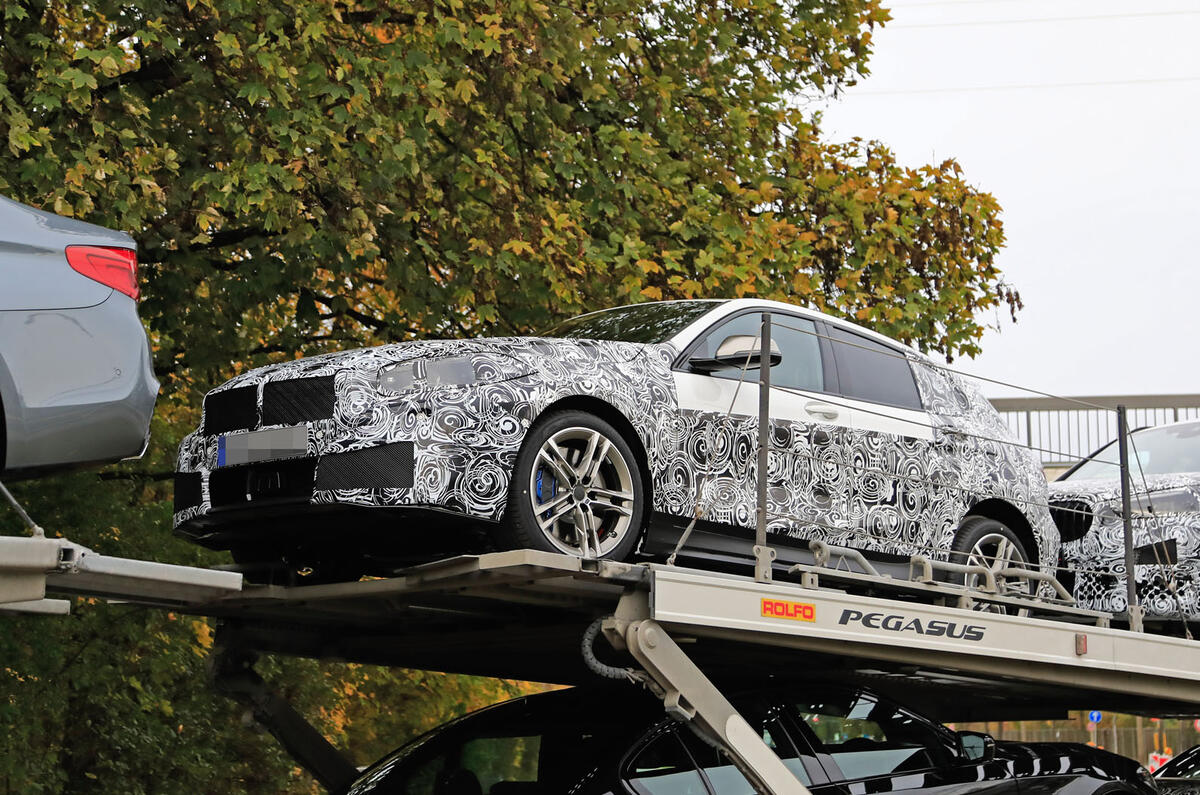













BMW is radically re-engineering its 1 Series range as the hatchback moves into its third generation later this year, and fresh spyshots detail it with little disguise.
The new images reveal the front-end design, most notably the trademark kidney grille, will adopt a very similar shape to the recently-launched 3 Series saloon.
Forecast to make its public premiere at the Frankfurt motor show this year before going on sale soon after, a comprehensive under-the-skin revamp will see the Mk3 1 Series forgo traditional rear-wheel drive for a space-saving front-wheel-drive layout, adopting the German car maker’s new FAAR platform.
The versatile high-strength steel structure is already used by the latest BMW X1 and its mechanically identical sibling, the second-generation Mini Countryman.
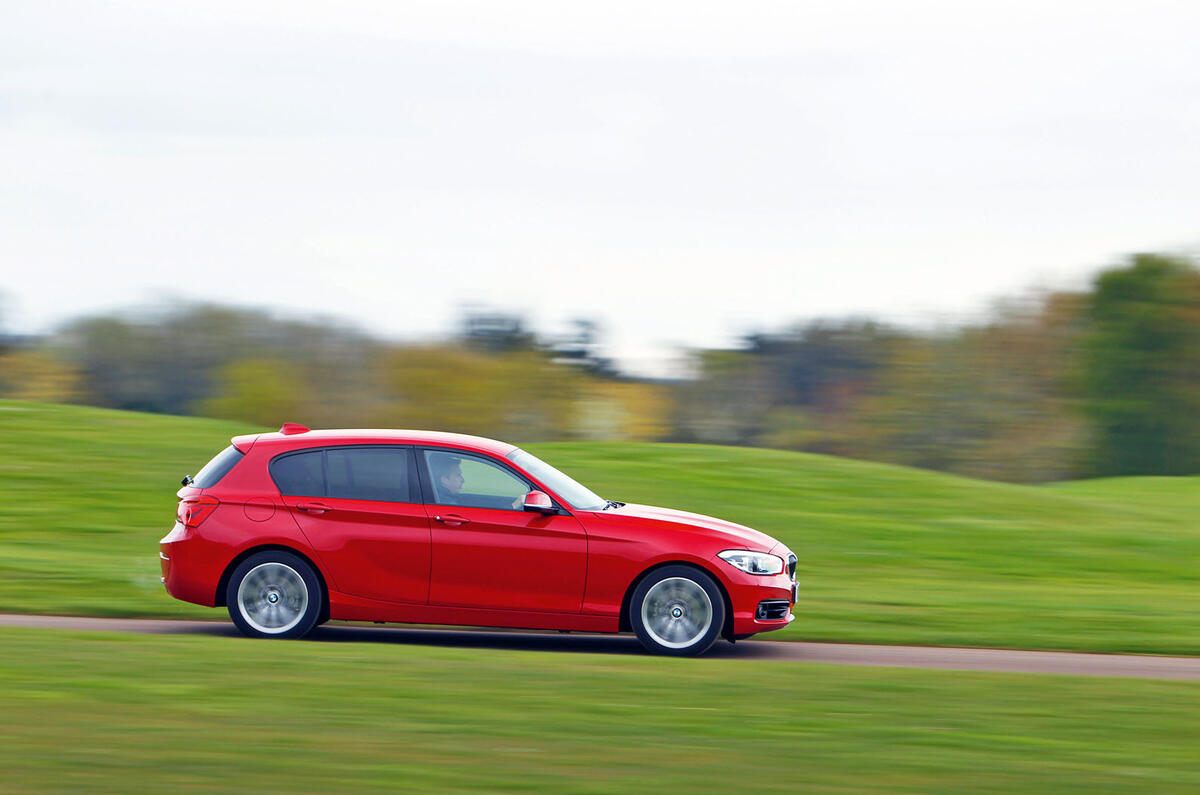
The switch to front-wheel drive for the entry-level BMW comes 15 years after the original rear-wheel-drive 1 Series was launched in 2004.

BMW’s internal studies have revealed that existing 1 Series customers are more concerned with factors such as interior versatility and accommodation than outright driving dynamics, which is behind the decision to follow the example of key premium-brand rivals such as the Audi A3 and Mercedes A-Class.
However, other factors are in play, too. Industry analysts suggest the new layout, which sites the engine of the new 1 Series transversely rather than longitudinally, is set to save BMW up to €660 per car in comparison to the rear-wheel-drive underpinnings of today’s model. That’s thanks to a simpler rear axle assembly and lack of a rear propshaft.
At the same time, it will draw on greater economies of scale through the sharing of components across a greater number of models, including the complete Mini line-up.