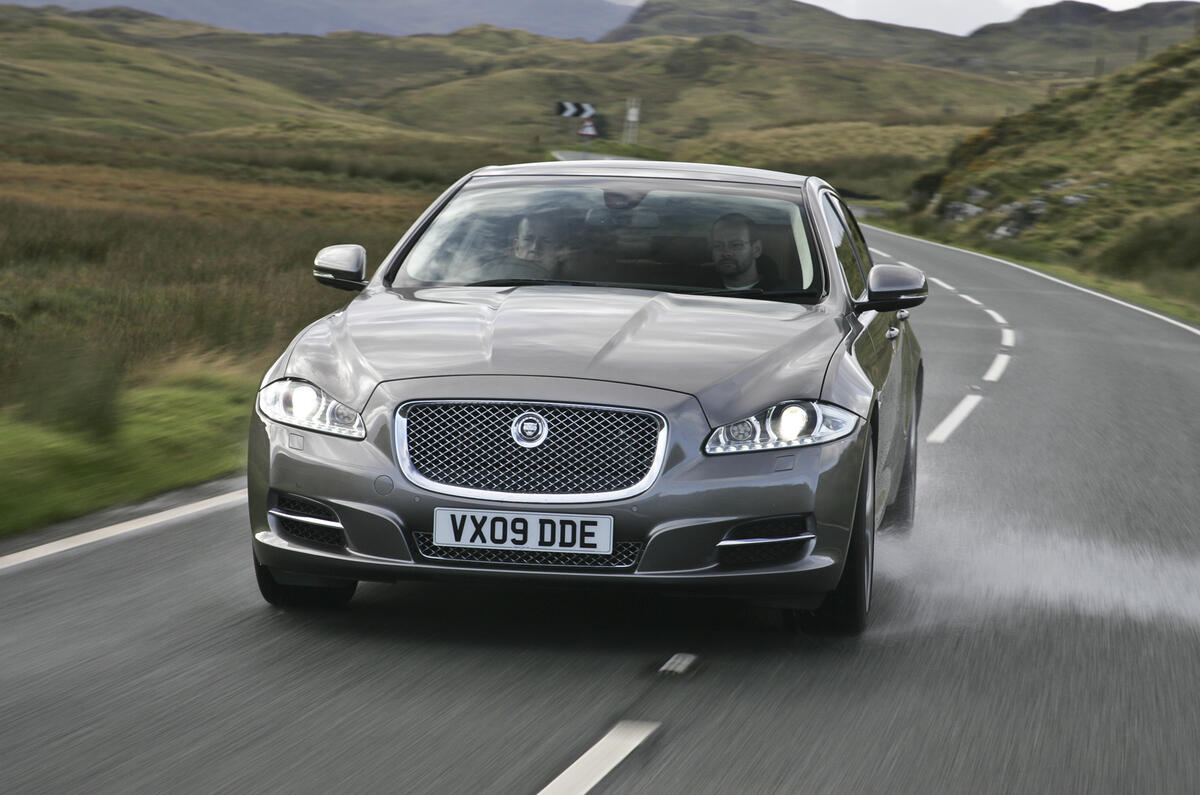
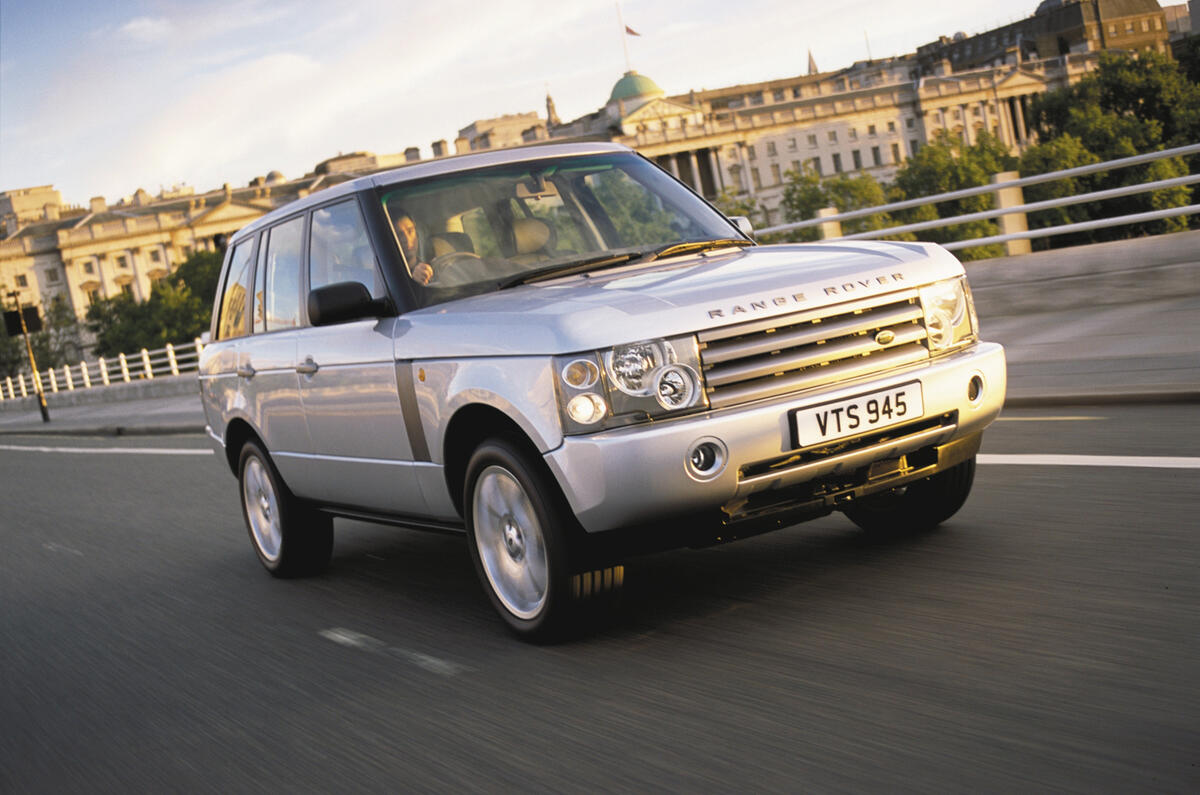



Jaguar Land Rover plans to cut down from using six platforms to just two, including a platform share between the Range Rover and XJ.
Building a Range Rover out of the same structure that underpins the new XJ saloon is not as difficult as it might sound, requiring only limited, inexpensive modifications.
While the floor and front crash structure will remain the same, the Range Rover version will get a taller front bulkhead and a modified rear bulkhead, which will accommodate folding rear seats.
The XJ’s front strut towers are cast in one piece and bonded and riveted to the front chassis legs. The Range Rover will simply get taller towers to accommodate the model’s higher ride height and much greater wheel articulation.
Ultimately, JLR wants to have two basic platforms. The basic set-up will be a conventional steel structure (based on Ford’s C1 platform), which will come in three lengths and underpin the three-model Freelander family. Insiders expect a super-size seven-seat Freelander to replace the current Discovery, so that model will not require a direct replacement.
Jaguar’s aluminium architecture is likely to be spun out of today’s wider, luxury version (used for the firm’s three flagship cars) and a new, narrower, more flexible structure for the rest of Jaguar’s future models, including the XE roadster.
Twitter - follow autocar.co.ukSee all the latest Jaguar XJ reviews, news and video