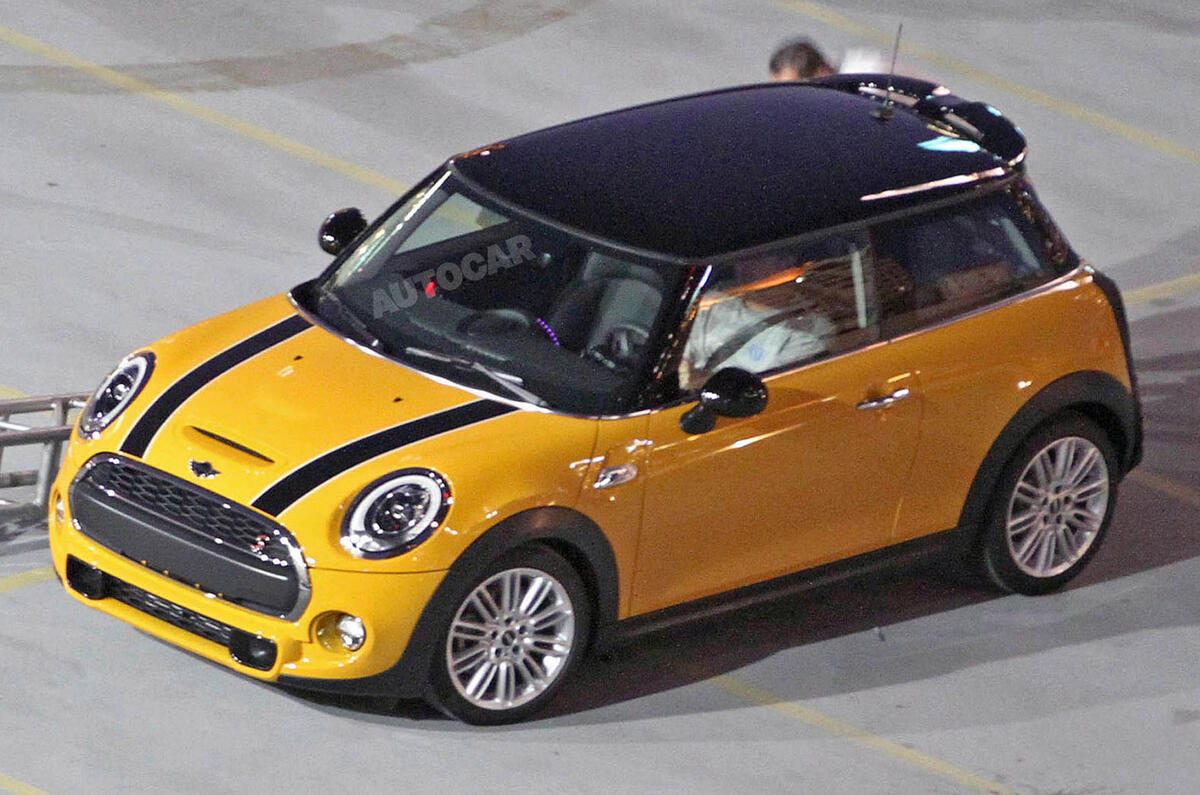
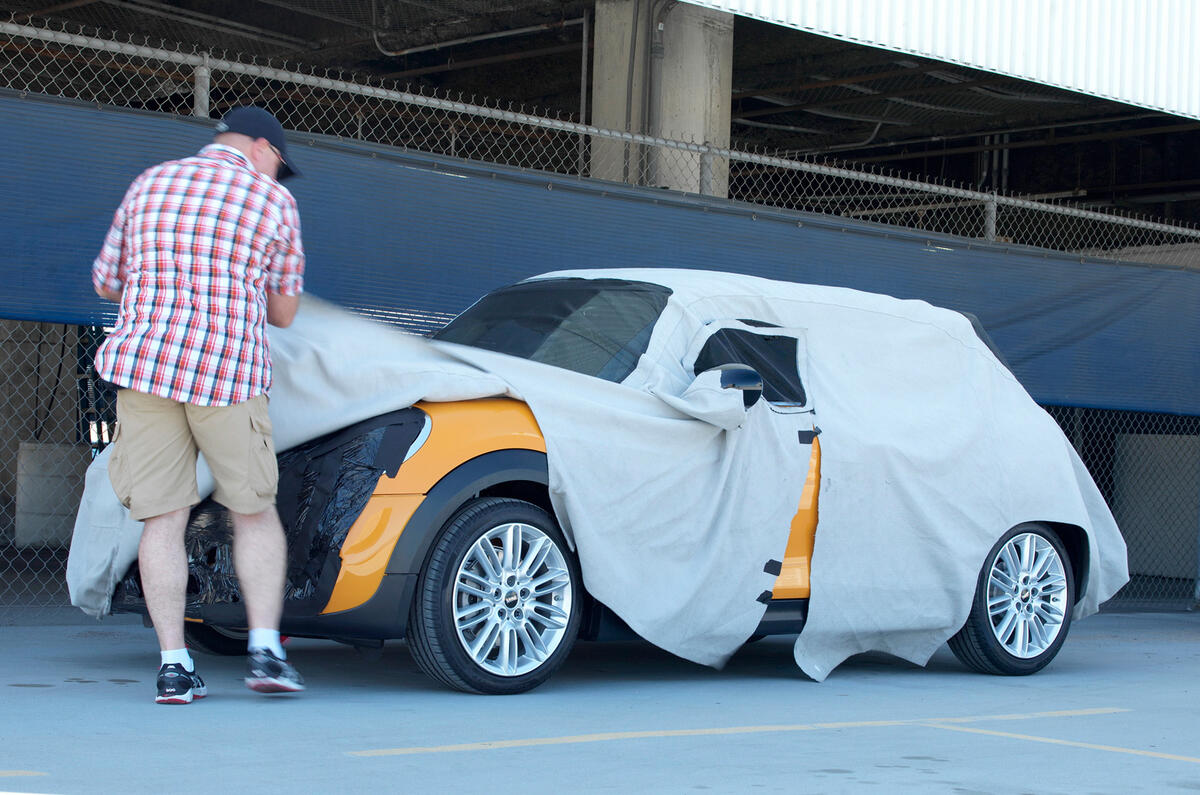
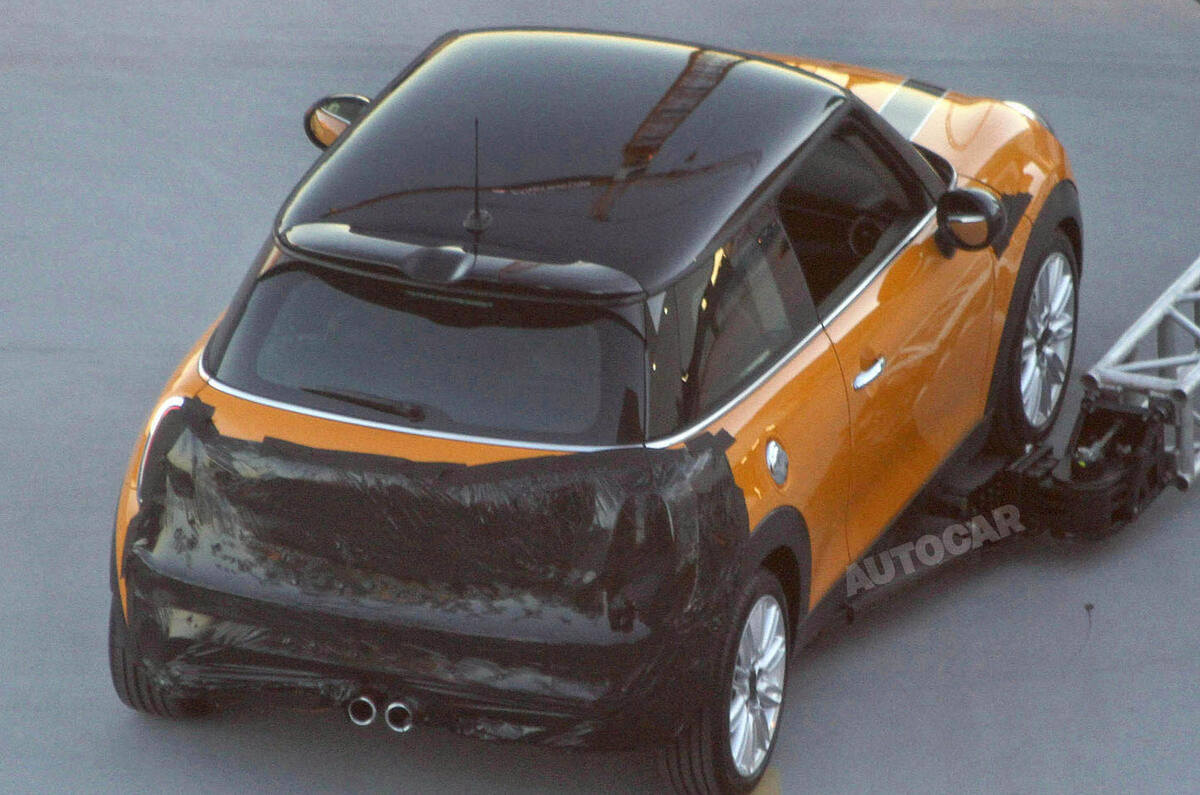
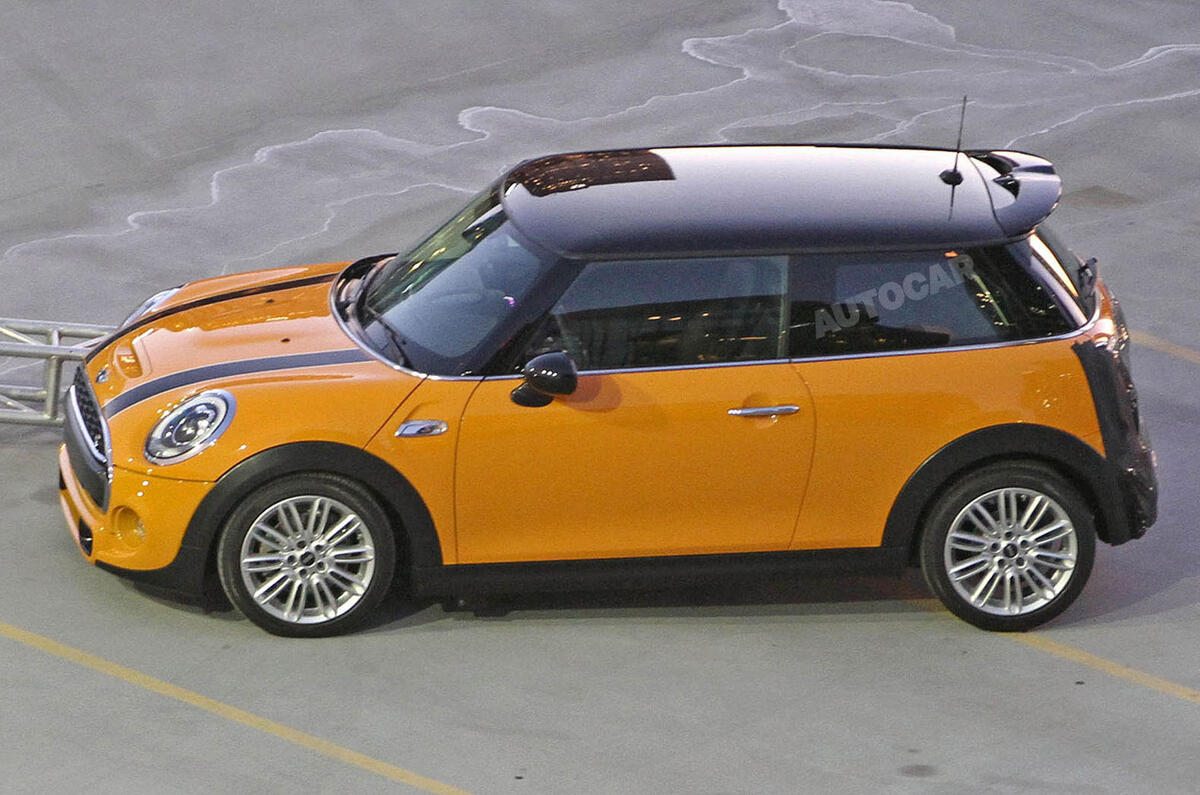
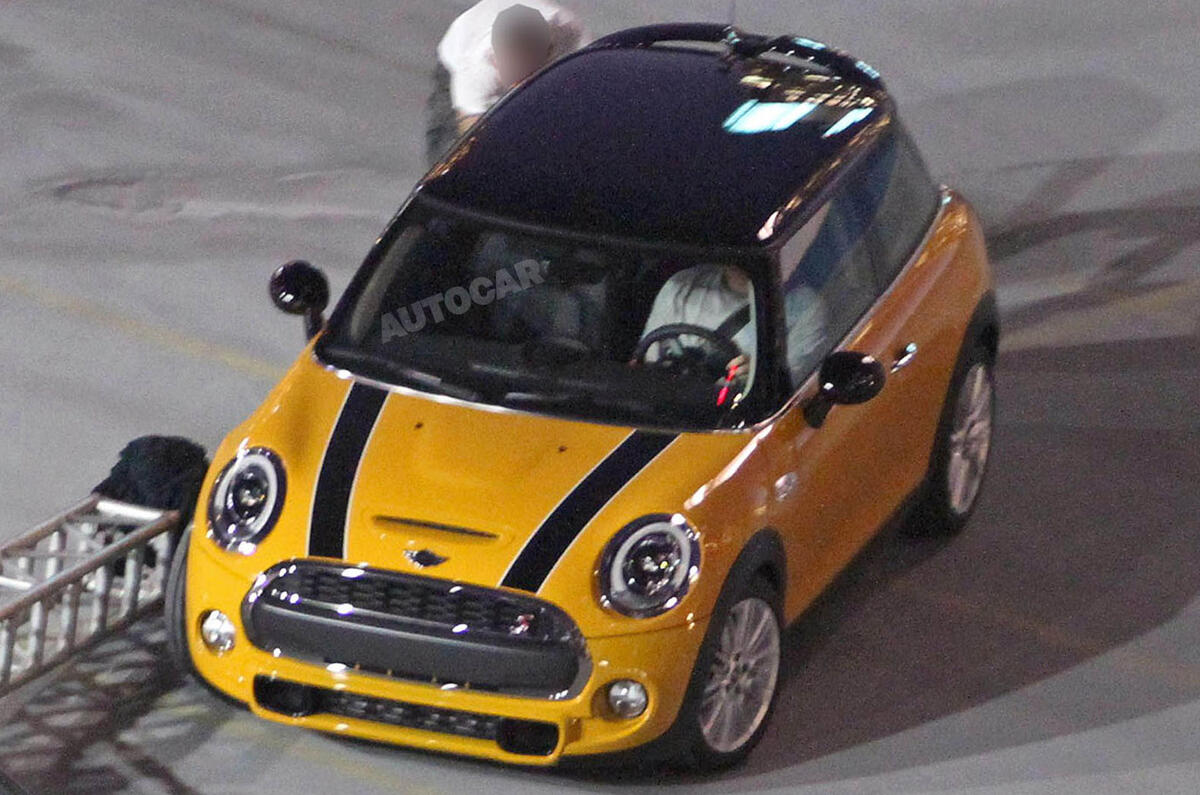
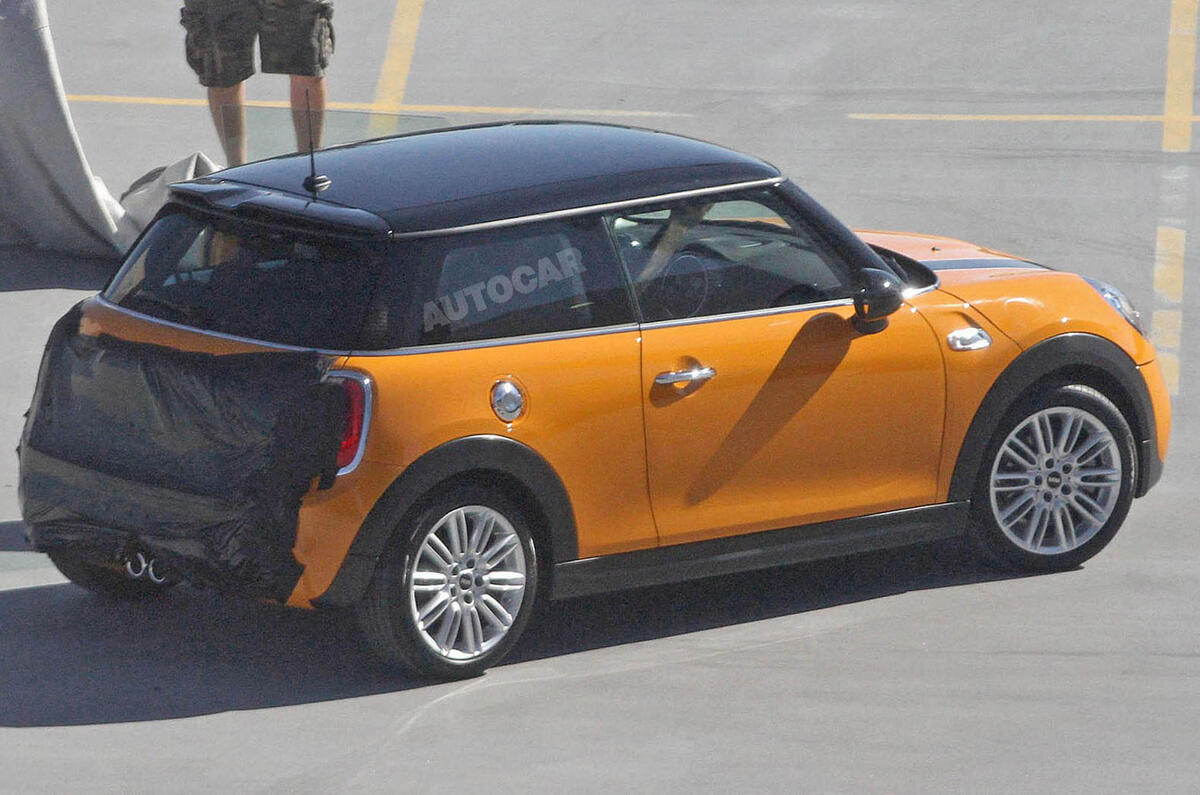
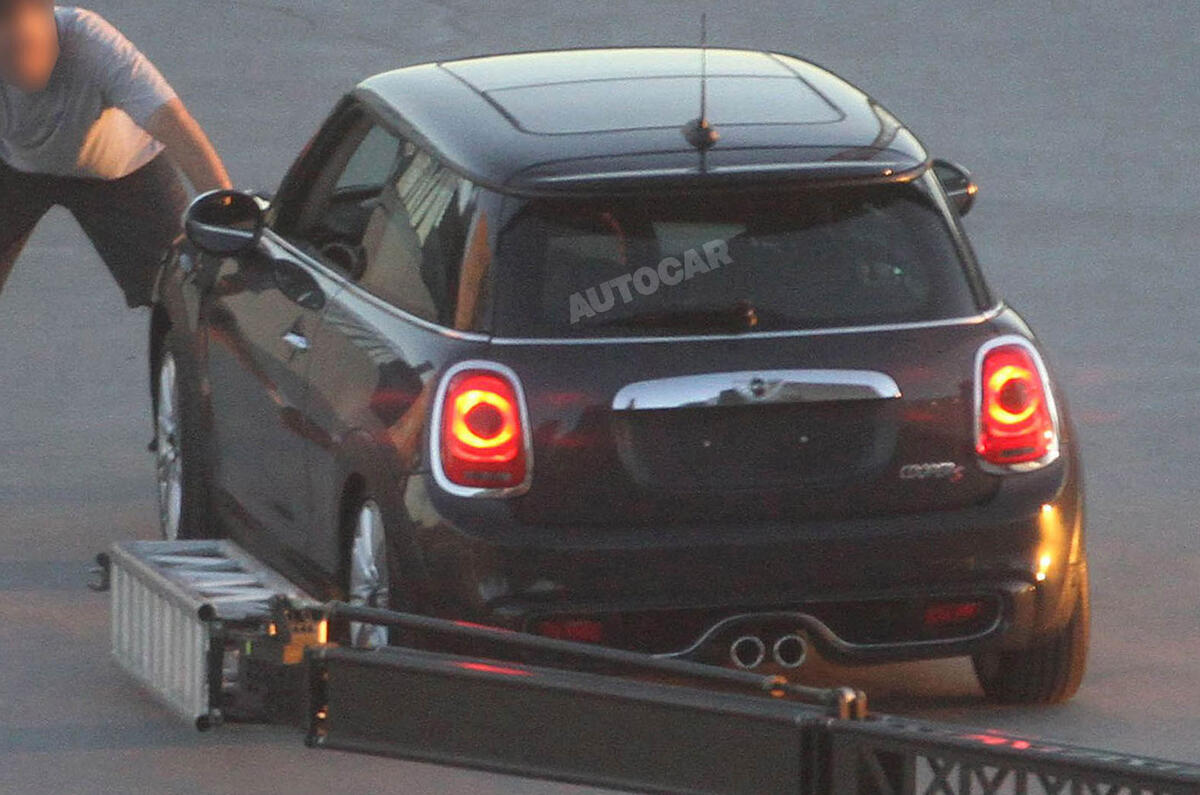
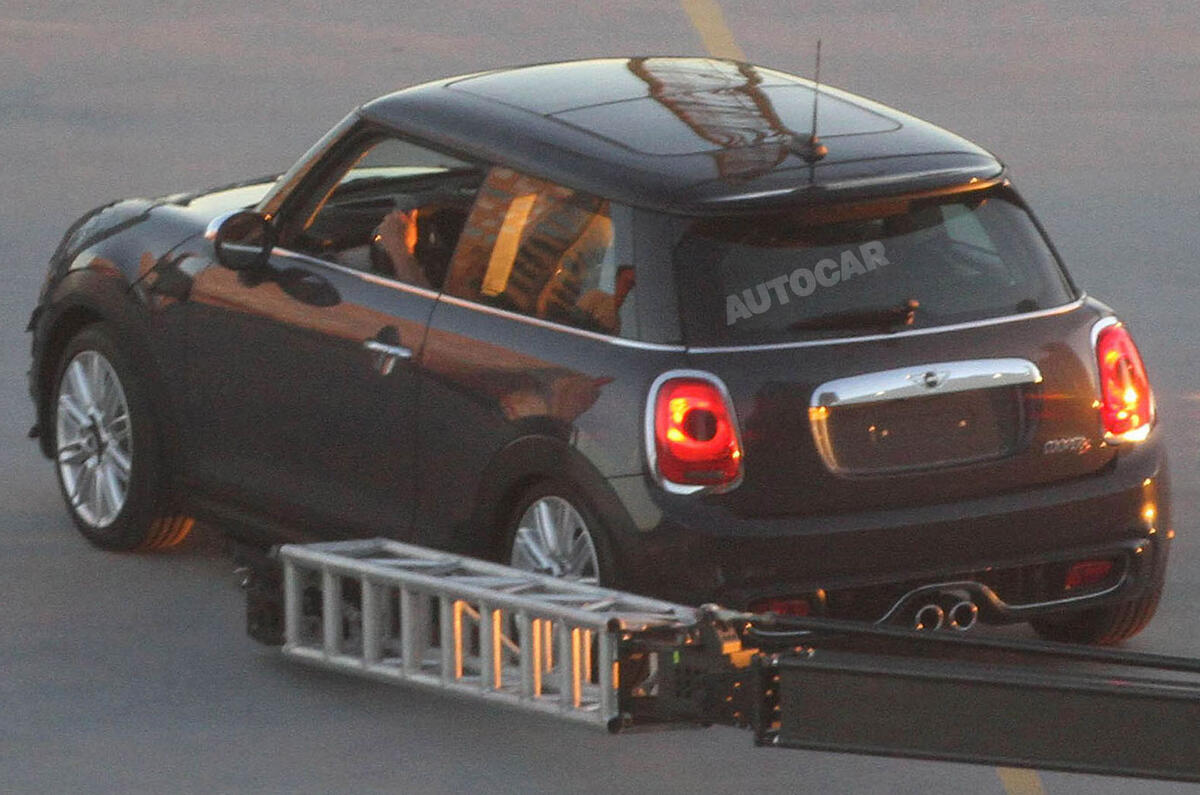
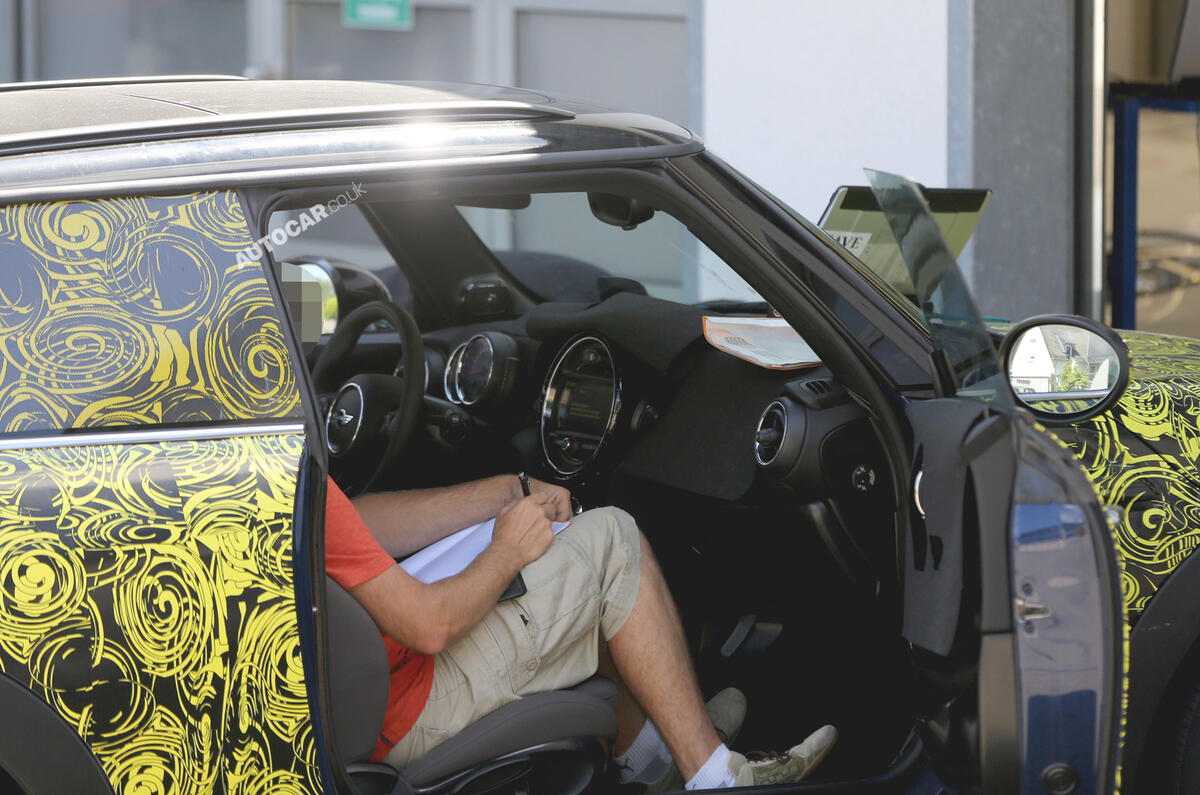
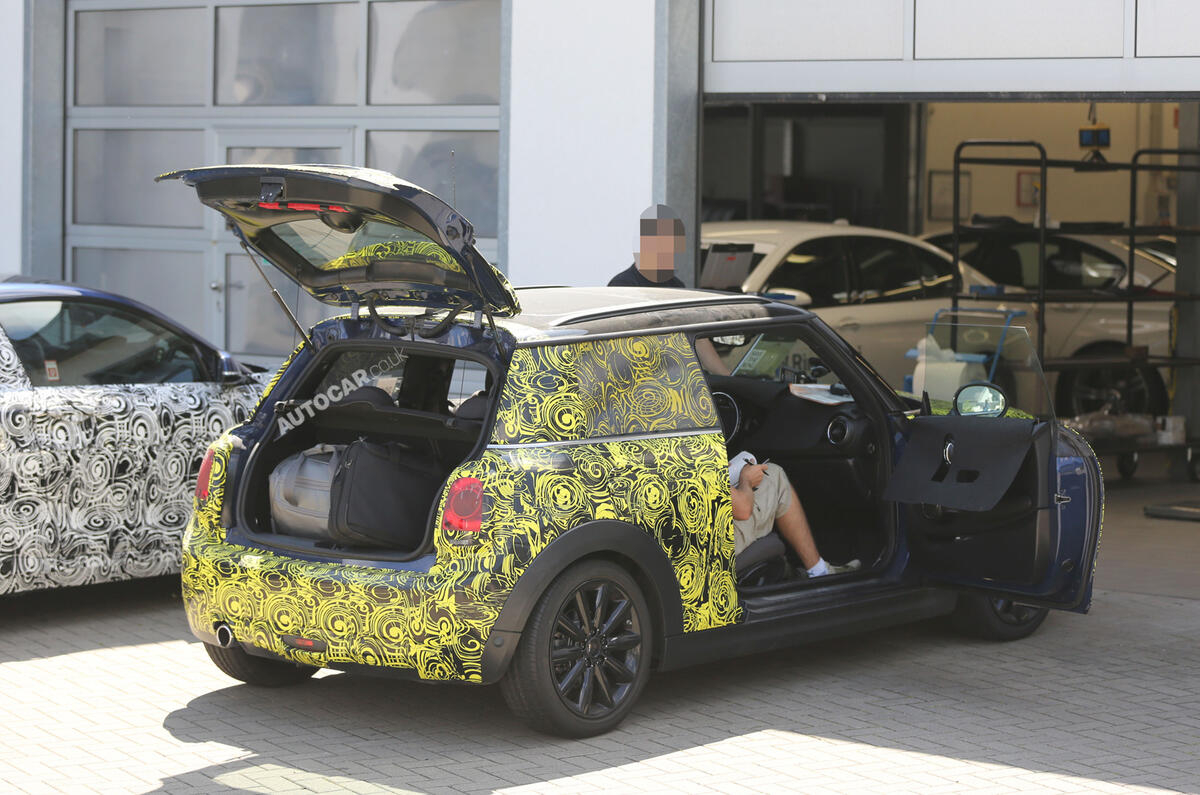
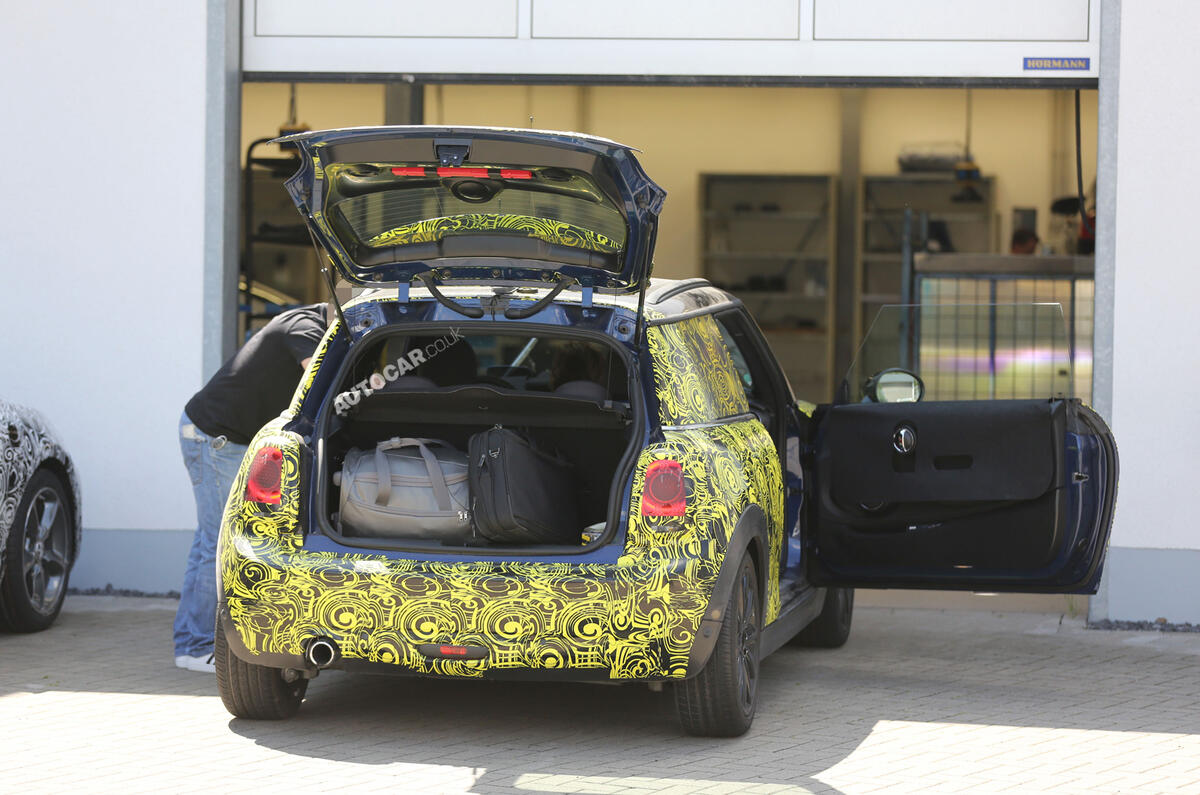
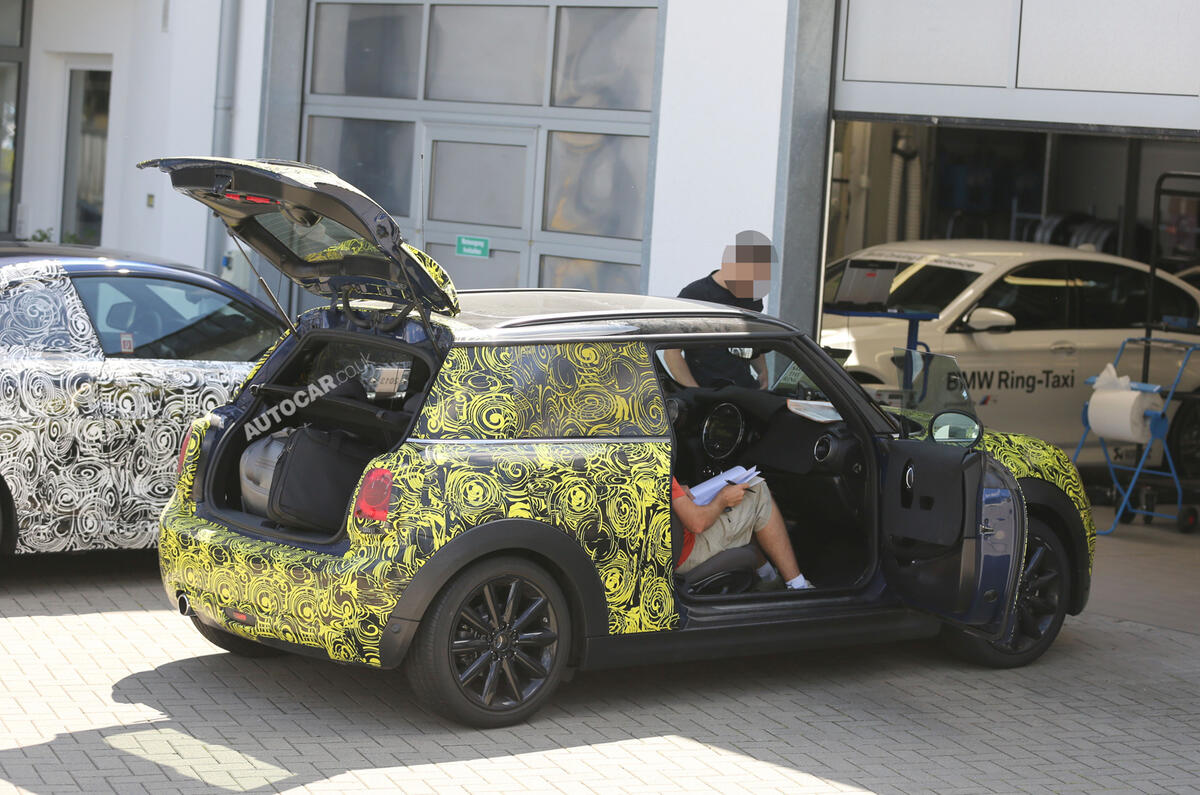
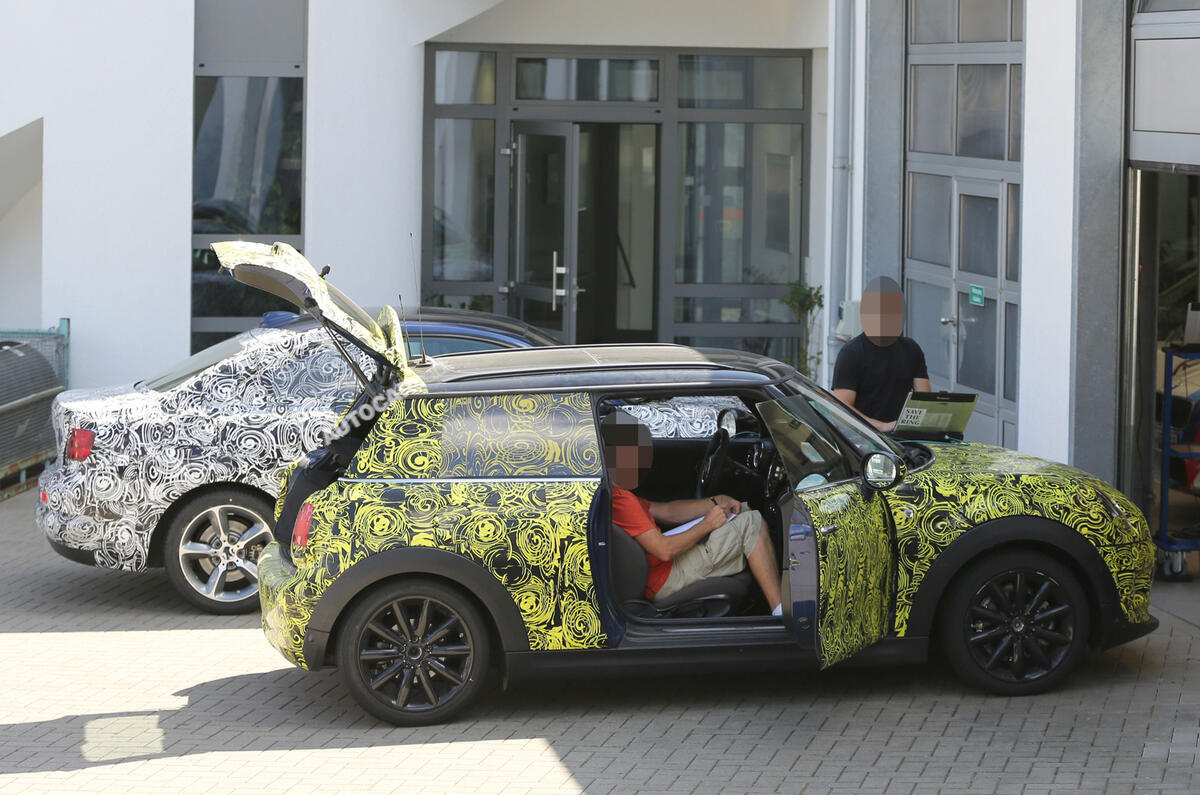















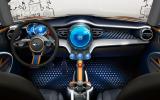
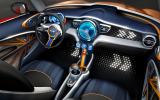


The third-generation Mini will make its debut at the Los Angeles motor show in November, and will usher in a range of body styles larger than ever.
The car is particularly important because it will be based on a new modular platform that’s key to the success of BMW’s small car programme. Despite this, Mini bosses are adamant that the new car should retain the character and “go kart handling” which have appealed to new Mini buyers over the last 12 years.
Here we look at the secrets behind the 2014 Mini:
New Mini variants
The third-generation of 'new Mini' will kick off with a three-door hatch, codenamed F56, at the LA motor show in November, followed by the five-door hatch (F55). The Mini Cabriolet (F57) has been given the green light for 2015, as has the Clubman Mk2 (F54) which will receive a pair of rear-hinged doors like the BMW i3. The Countryman (F60) and Paceman (F61) are also in the product plan, but there’s no news about how the concepts of these will differ from today’s models. Beyond 2016, an MPV is likely as is a roadster, possibly in the mould of the Mazda MX-5. These would likely take the missing F58 and F59 names in the sequence.
Lightweight construction
The UKL1 platform will be constructed largely from steel. Light weight aluminium and tailored blanks in high strength steel will be used throughout the inner body structure to increase rigidity. Despite this, Mini is remaining tight-lipped on whether the new cars will be lighter than the current models.
Design
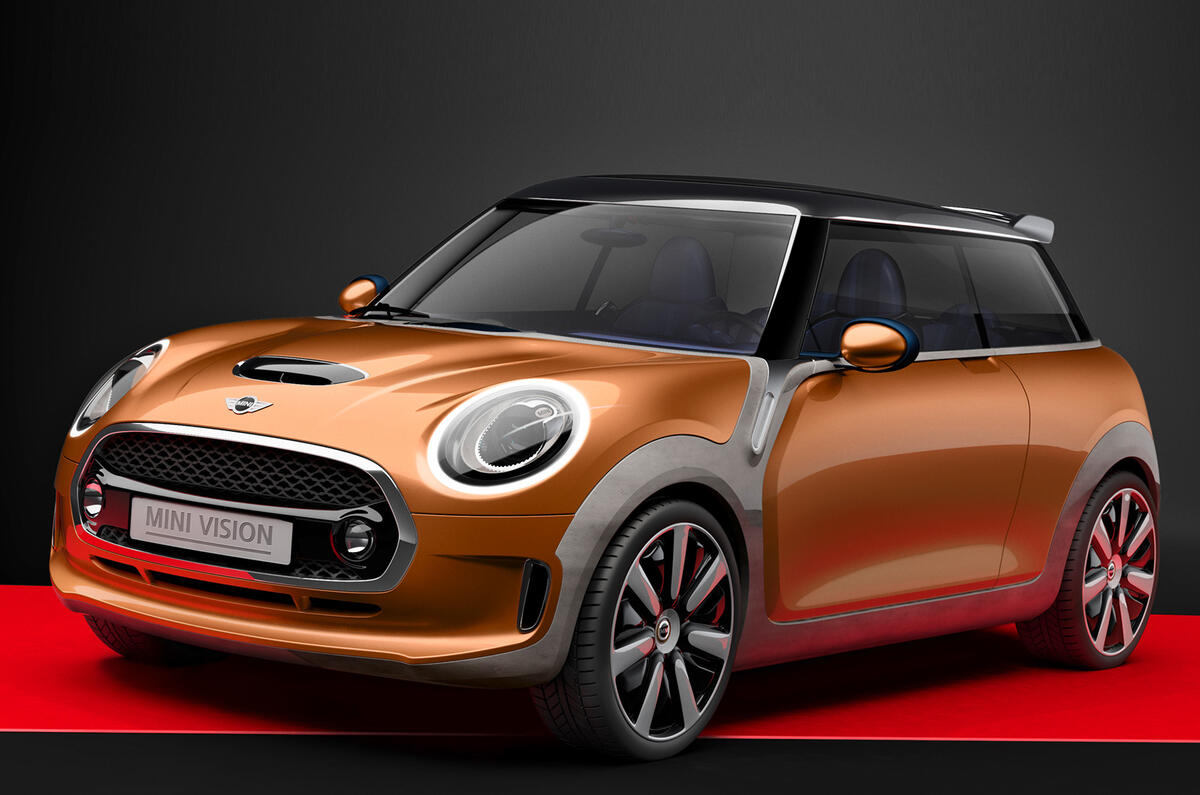
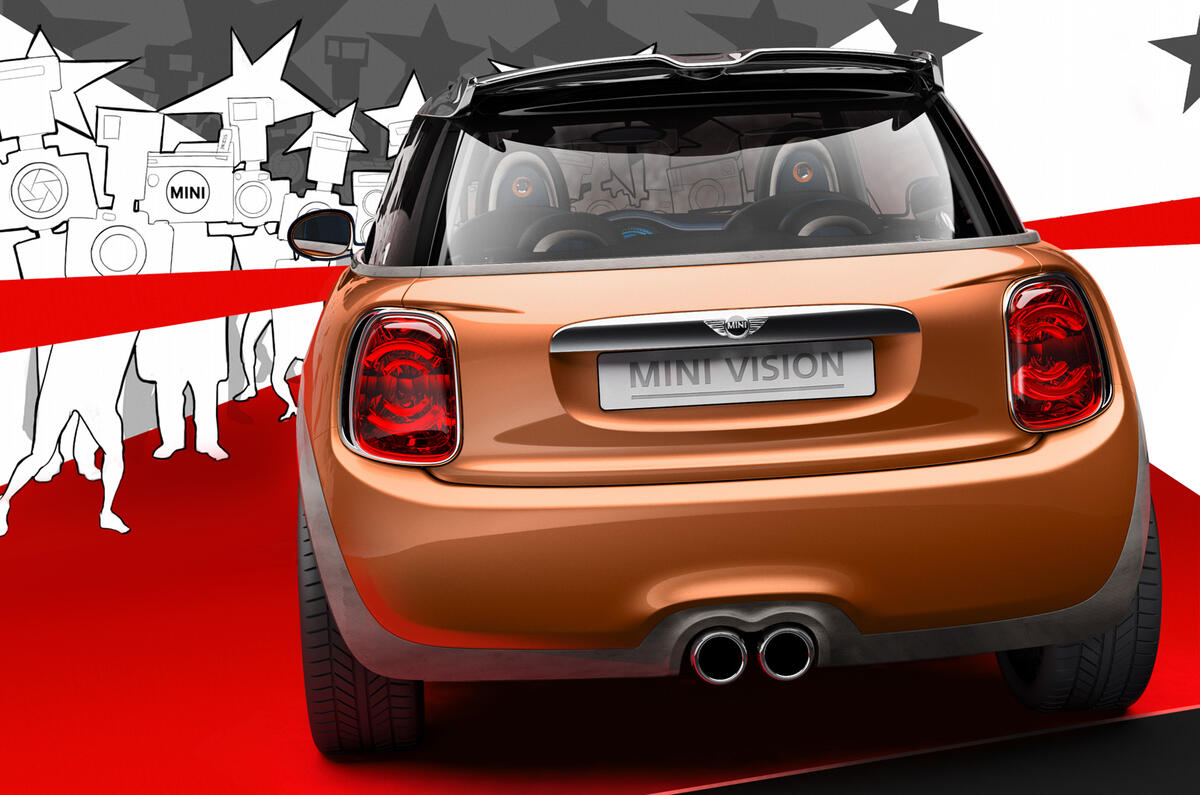
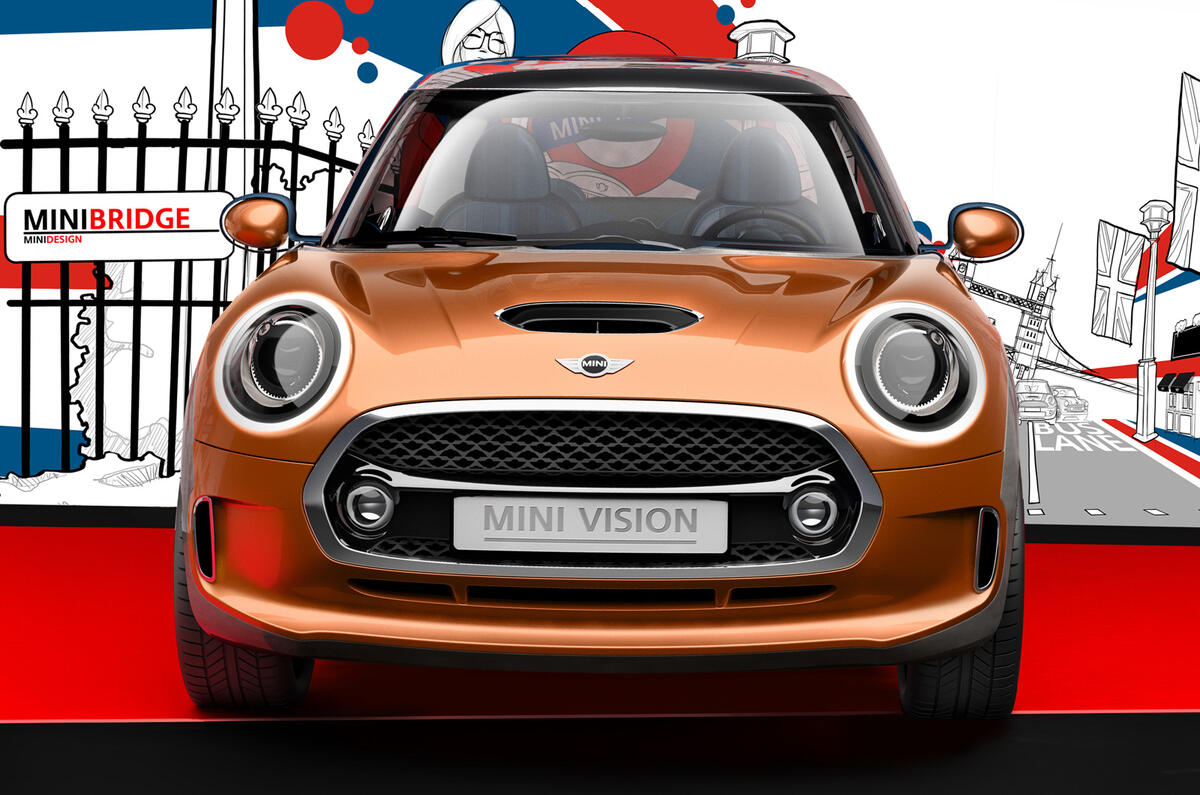
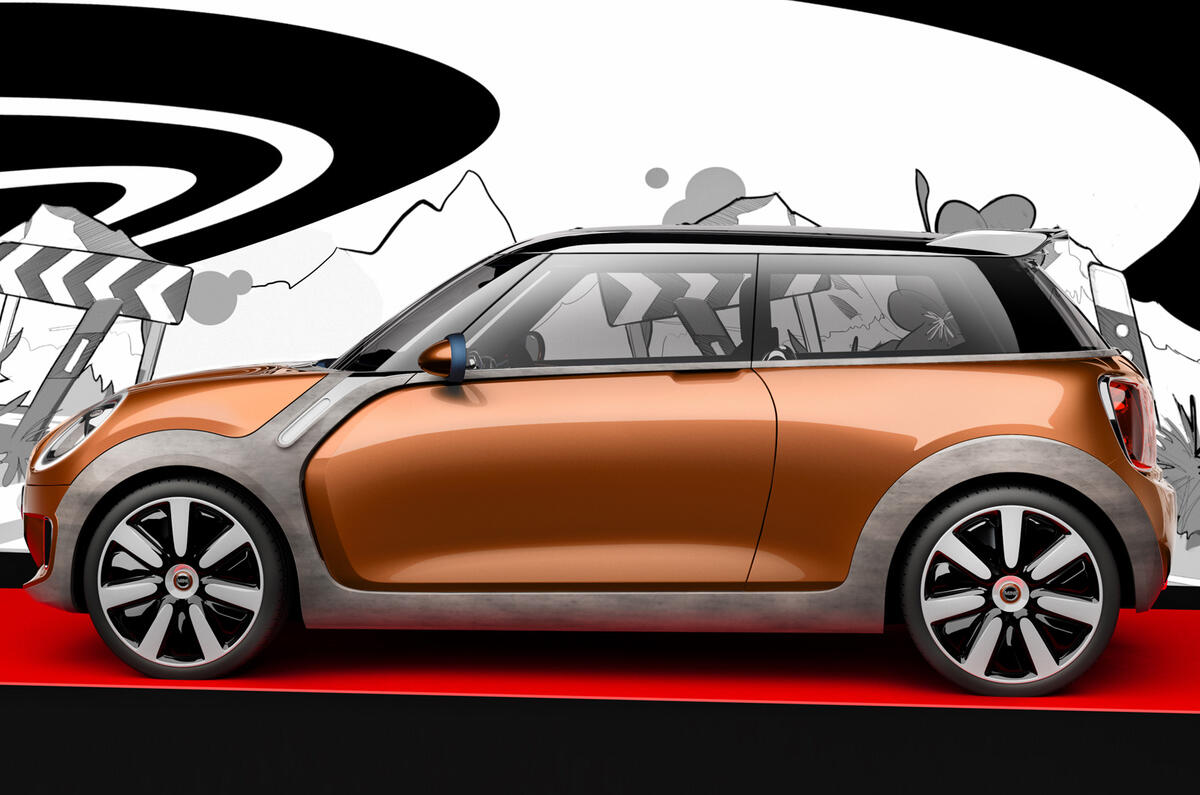
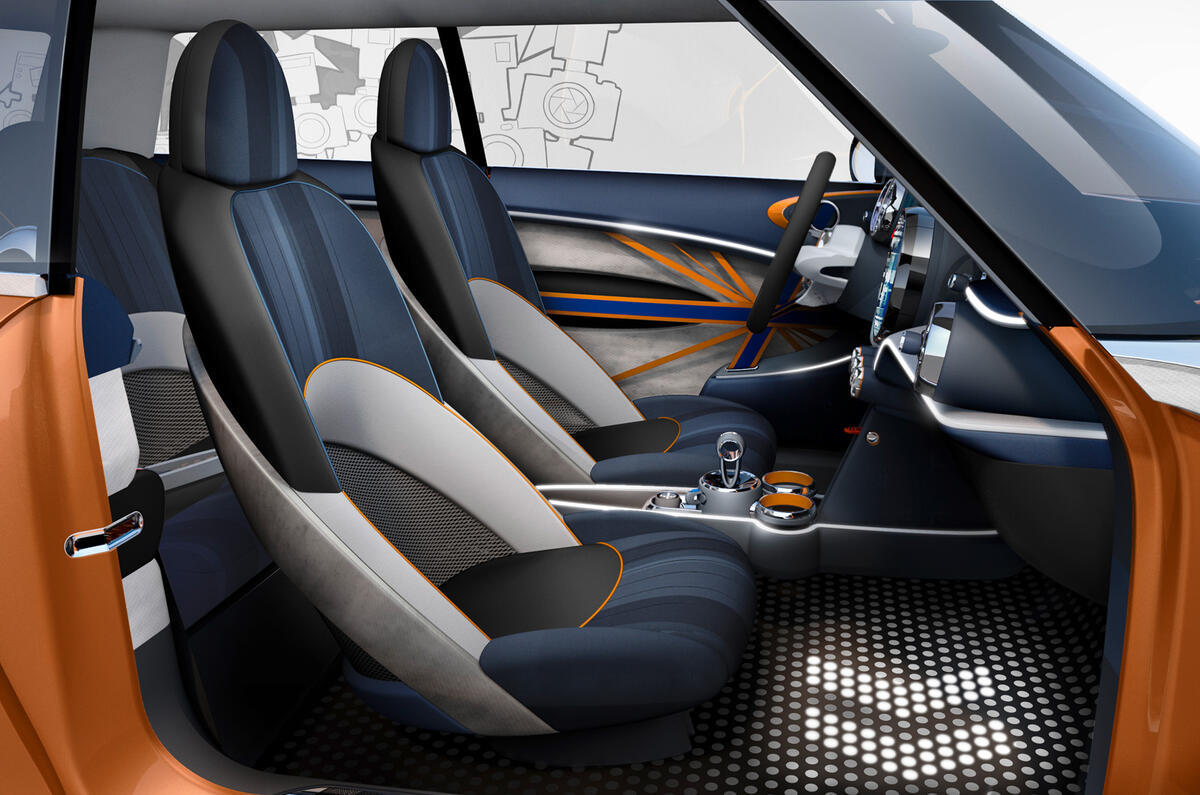
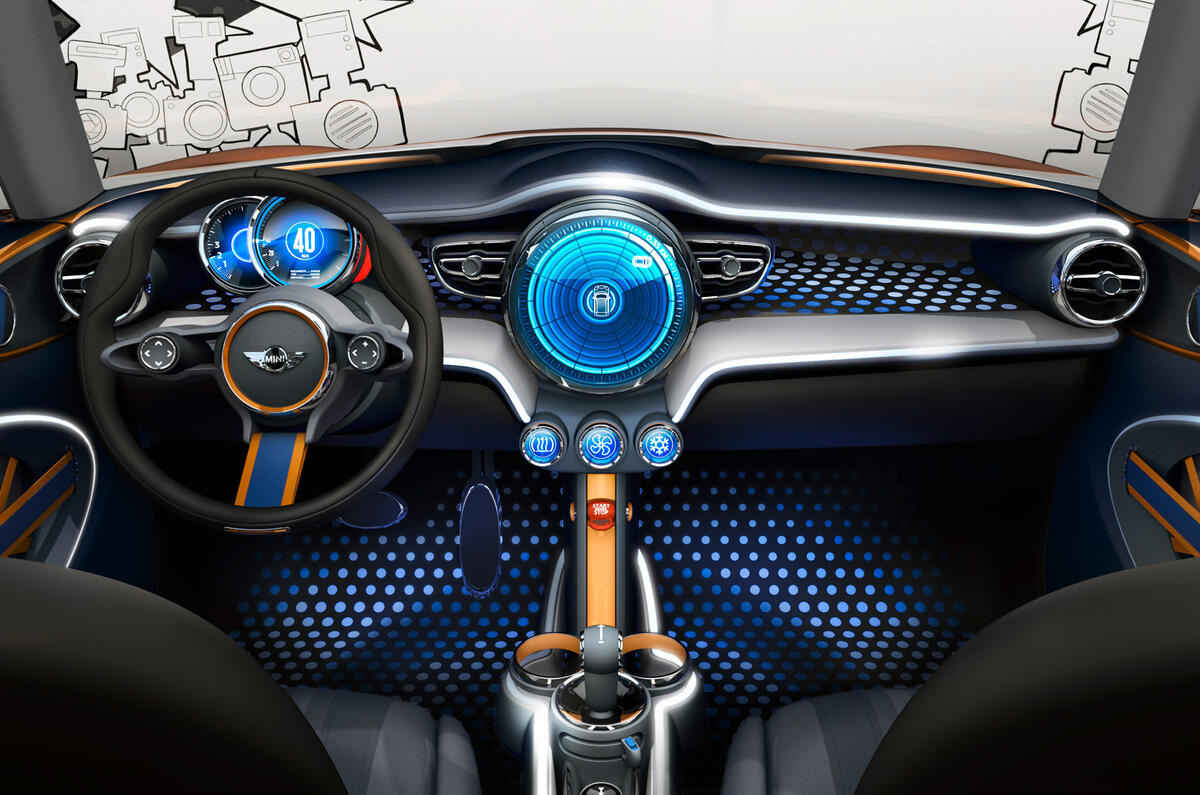
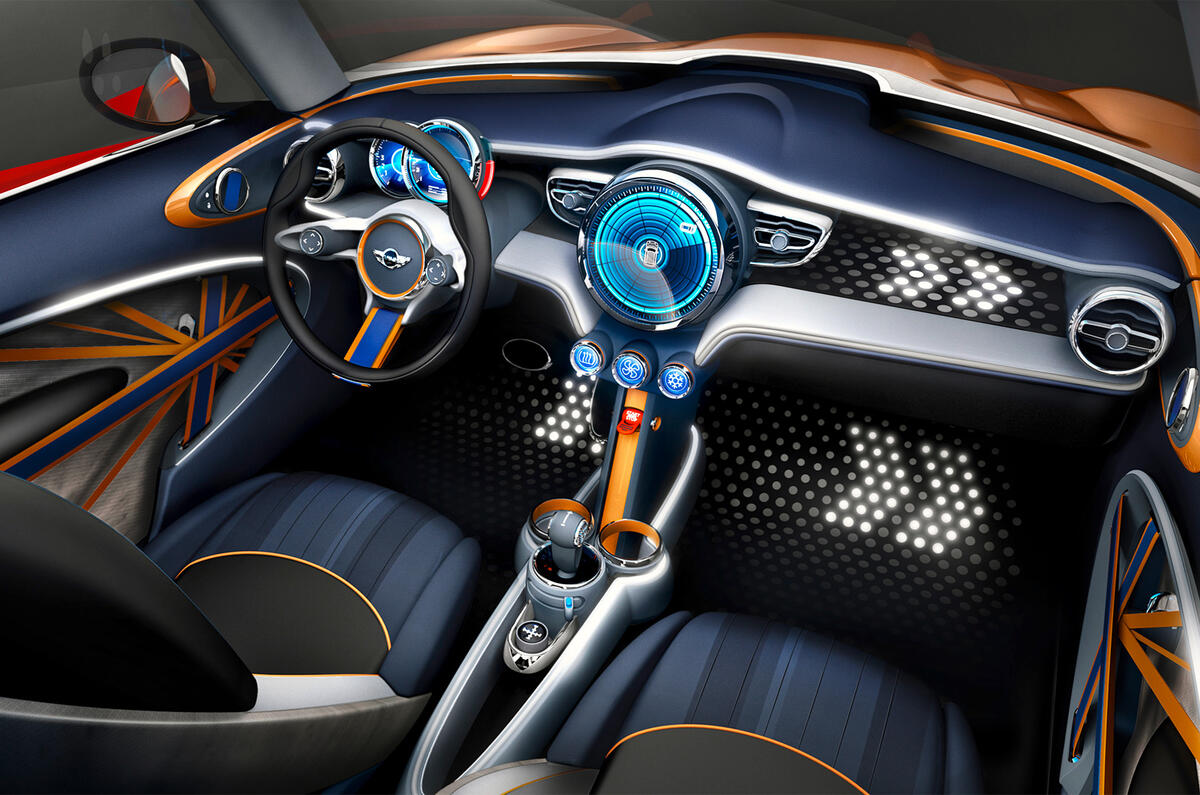
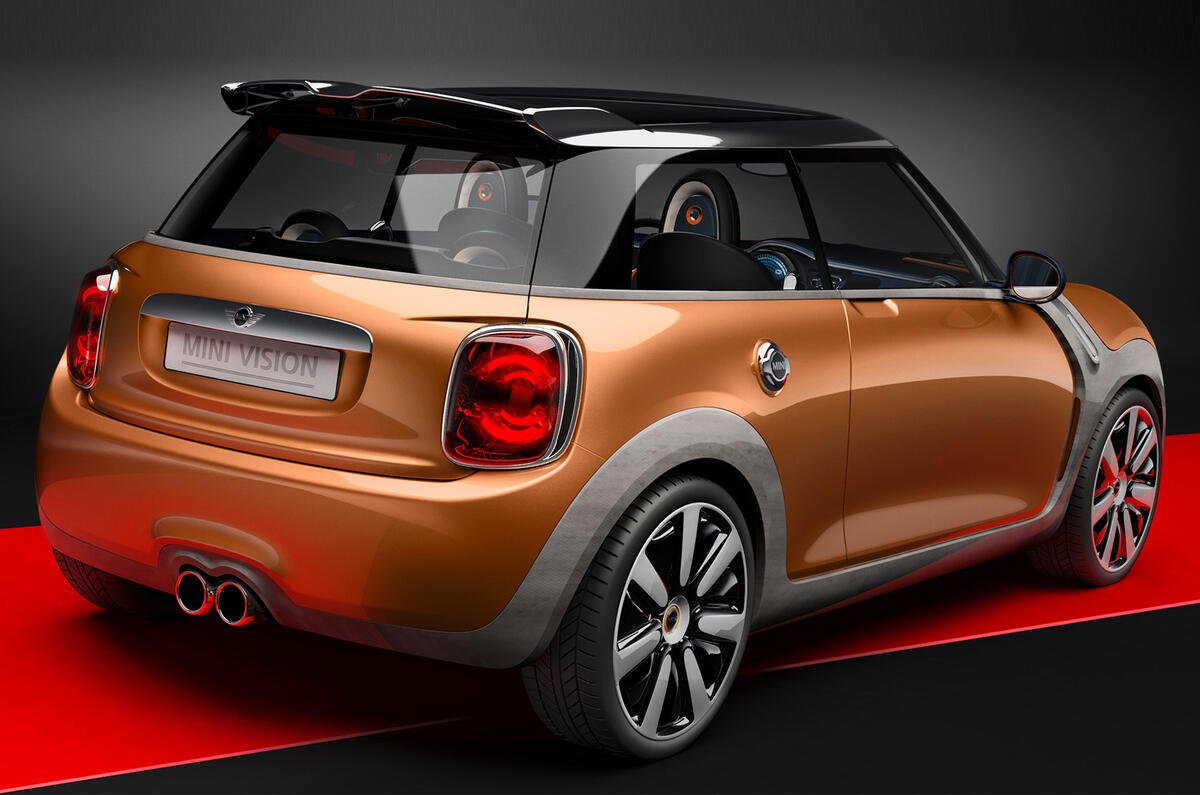
BMW responded quickly to the leaked spy-shots revealing an undisguised Mini and just over a month later, unveiled its Vision concept. The Vision’s nose treatment is said to be close to the production model, and the LED ‘ring’ around the headlamps is likely to feature. Mini design boss, Anders Warming said the grille’s styling is closer to the original and the wings are more “curvaceous”. The production rear lights will be slightly larger than those of the current Mini Countryman, but will be smaller than those fitted to the Vision.
Aerodynamics
The aerodynamics of the new Mini hatchback have been optimised in BMW’s state-of-the-art wind tunnel. The facility has played a key role in ensuring it will be the most aerodynamically efficient car to wear the Mini name yet.
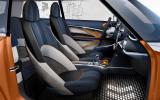
Interior