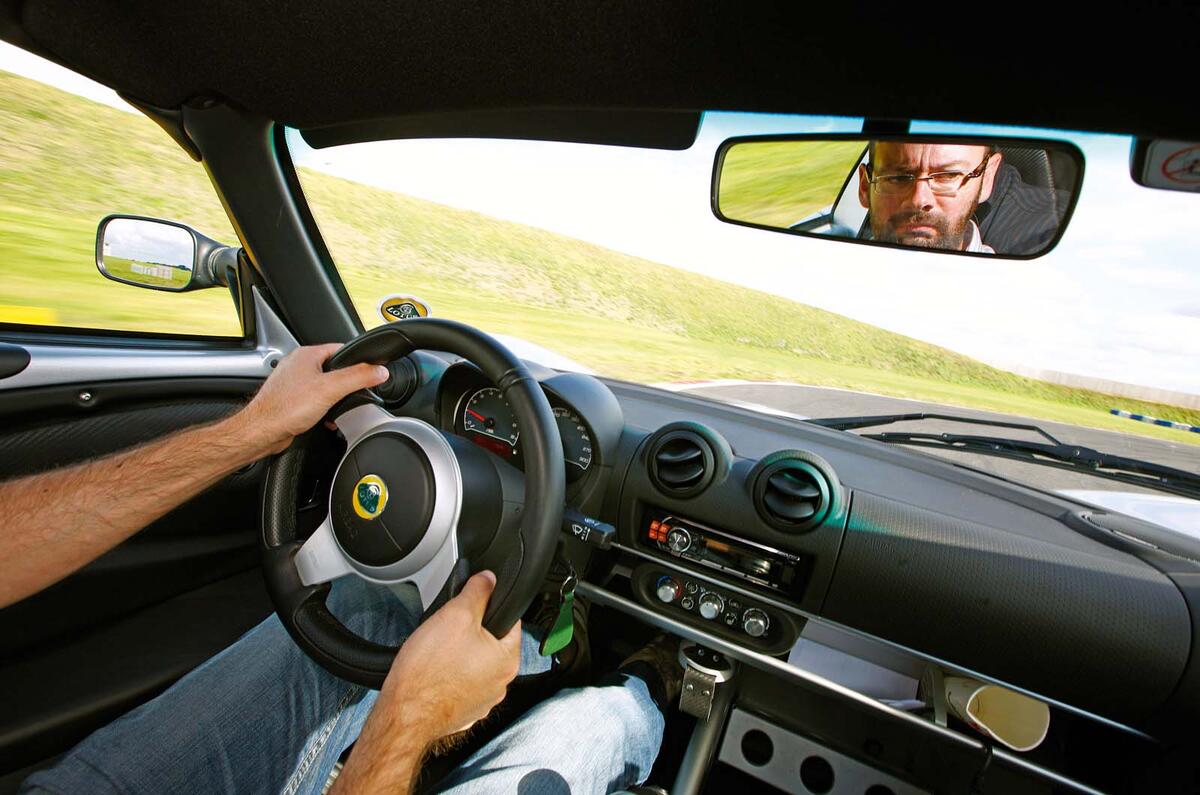
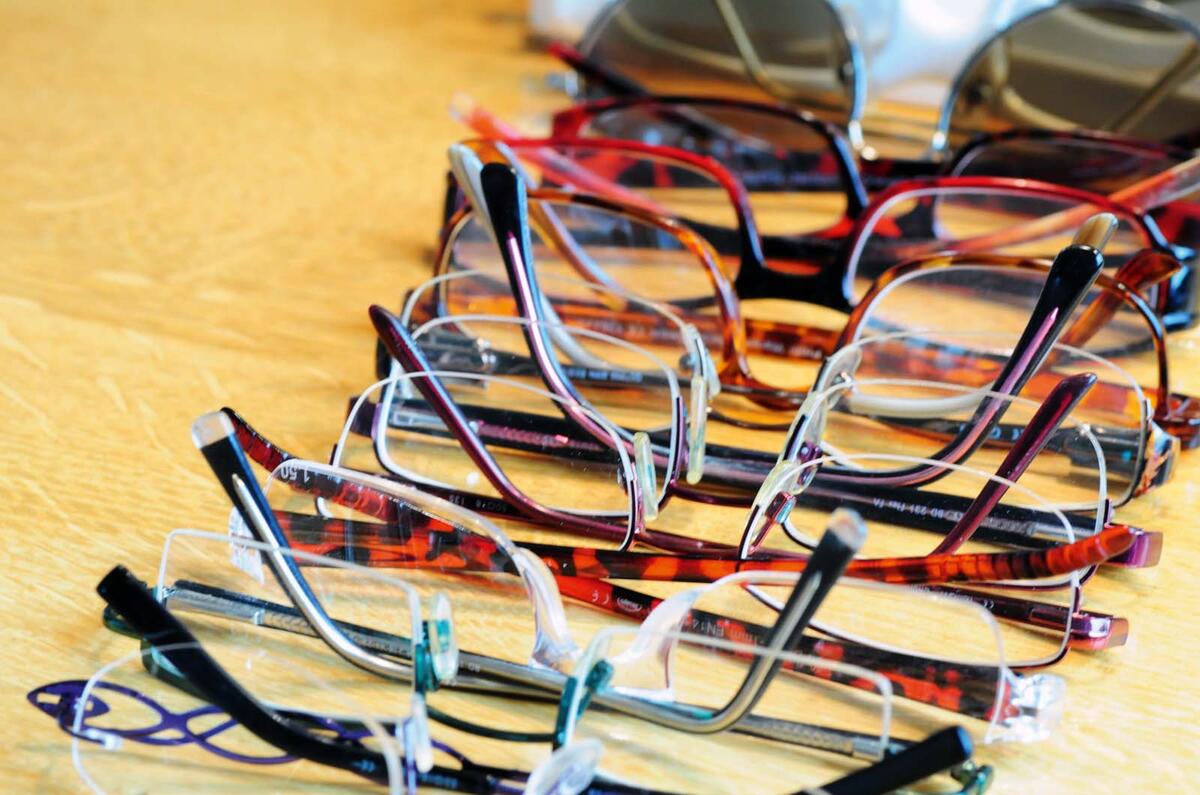

When you’re a young lad, glasses make you look studious and add a few points to your perceived IQ. For the past few decades, I’ve rather liked wearing them: they’re part of the facial furniture to the extent that without them I look like a panda with no black fur around his eyes.
Recently, though, I told my optician that I’d started raising my glasses and using the naked eye for very close work: to read whether he was serious about the price of frames, for example.
He asked how old I was, and I mumbled something about definitely not yet being middle aged, at which point he introduced me to a condition called presbyopia.
Presbyopia is a stiffening of the eye lens, which makes it harder to shift focus, or perhaps prevents many from focusing on close things at all; which is why people with previously good vision start needing reading glasses.
It usually sets in somewhere around 40-ish and, somewhat uncheeringly, it’s not muscular, so unlike other middle-aged conditions, it can’t be helped by getting more exercise or buying a Porsche.
It is a problem, whether you’re just straining to read a text or if your eyes are a performance component of your job. Earlier this year, I asked former Formula 1 and sports car driver Mark Webber how much slower he’d be in an F1 car now than when he was racing F1 full time. He said he’d probably be one second or more off the pace, which might have been modesty, but “it’s the eyes, mate” was his primary reasoning.
There are no exercises you can do to prevent or delay presbyopia. It’s a natural part of ageing and there is no cure for it. My optician suggested, though, that varifocal-lensed glasses are a way around it.