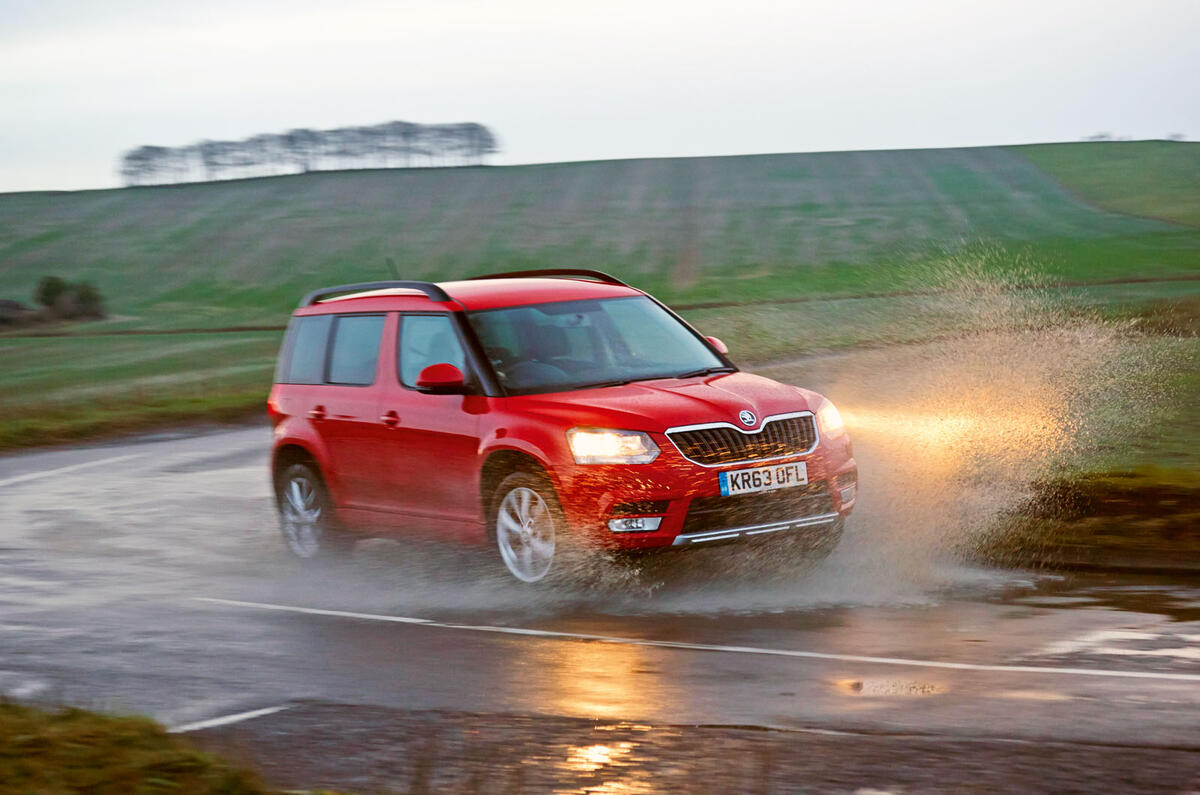
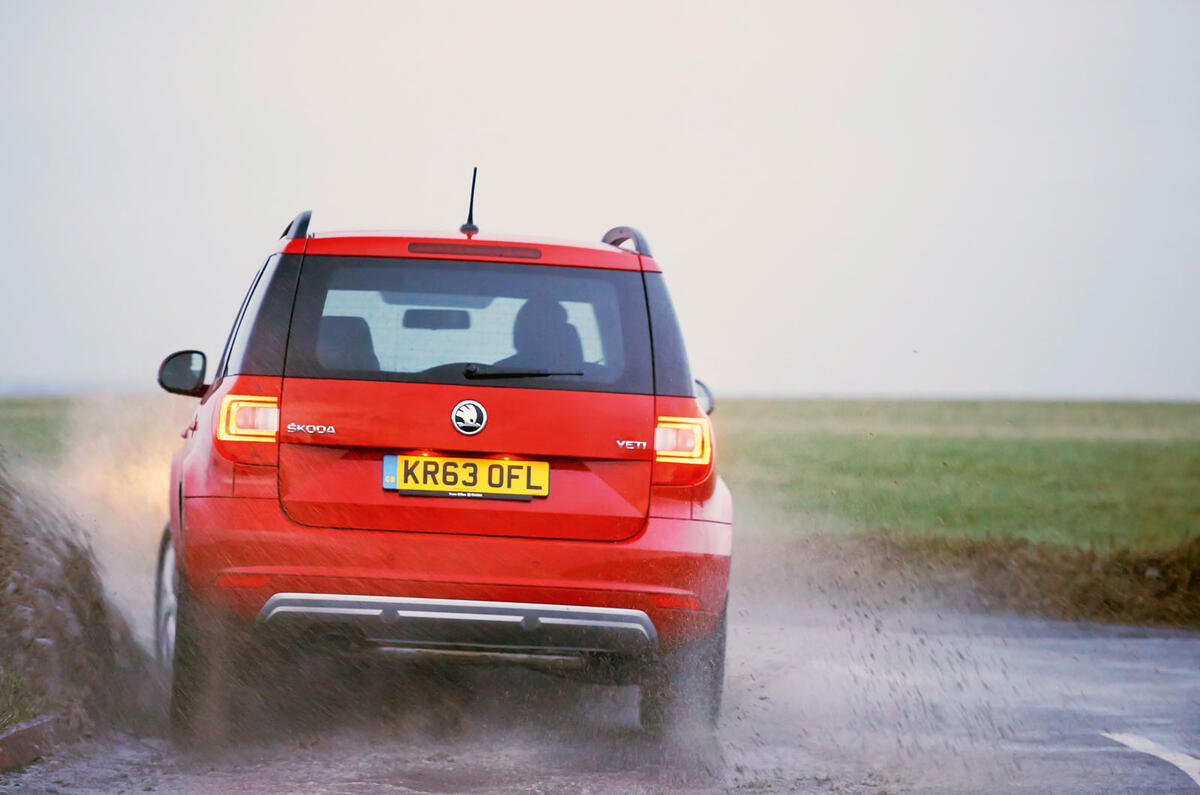
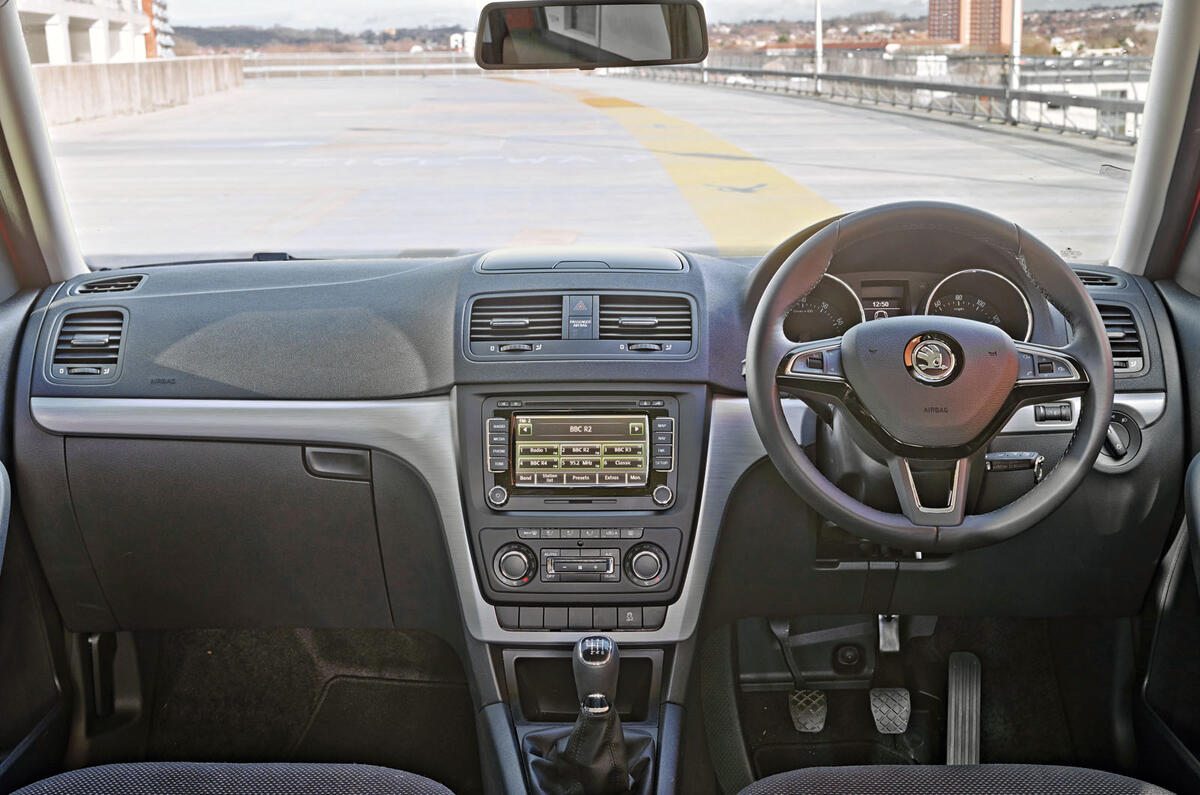
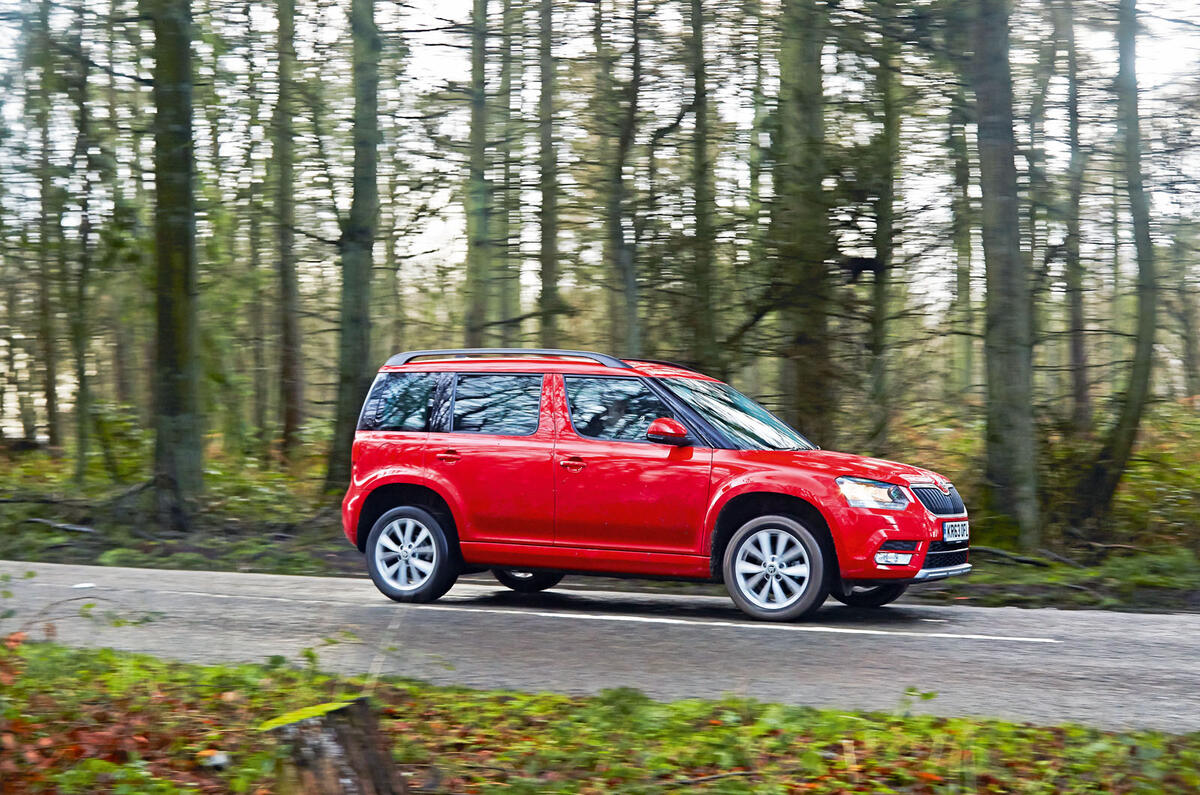



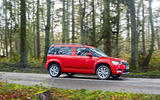

With the quirky Skoda Yeti crossover, Skoda proved something that many of us had come to doubt: that while the Volkswagen Group’s strategy of sharing platforms, engines, suspension systems and whatever else between the various models across its brands is clearly good for business, would any of them ever be able to produce a car with a discernible personality of its own?
Then, in 2009, the Skoda Yeti arrived, with its unusual styling and a distinct character all of its own.
The Yeti predated today’s seemingly unstoppable SUV-mania, and even now it doesn’t really sit comfortably in that category. It shared its underpinnings with the Volkswagen Golf, and although it is a little taller than a conventional hatchback, it doesn’t have so many of the unavoidable drawbacks of a high-riding SUV. In fact, its seating position and on-road manners are much more car than SUV-like, which means it can be fun to drive on the right road. That’s where the better part of its distinctive personality comes from.
Click here to buy your next used Yeti from Autocar
What the Yeti does borrow from today’s SUVs is flexibility, practicality and, if it’s a four-wheel drive model, real off-roading ability. The VarioFlex rear seat system – which allows you to slide the bench forwards and backwards, remove it entirely or pull out only the middle chair to create more second-row space for two – gives the Yeti a level of versatility few other cars can match.

For all of those reasons, it is close to incomparable as an affordable family car a decade after its launch. The cheapest official Approved Used cars start at around £7000 and many of them have covered fewer than 50,000 miles. The 4x4 models start at £8000 and it’s worth paying that bit extra. Not only does a second driven axle make the Yeti better suited to winter driving (particularly when matched with winter tyres), but the four-wheel-drive cars also benefited from a more sophisticated multi-link rear suspension architecture.